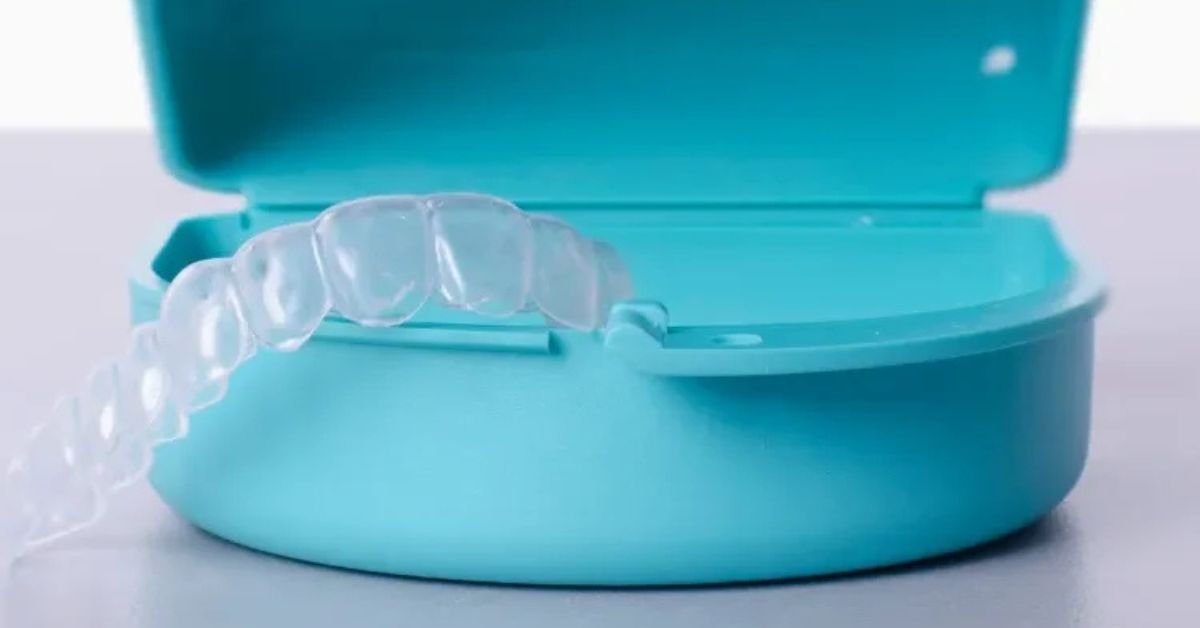
Retainers are dental devices that help keep your teeth in the correct position after braces. They sit in your mouth for many hours each day. Because of this, they can collect bacteria, plaque, and food particles. Cleaning your retainers regularly helps keep them fresh, clear, and safe to wear.
Many people clean their teeth every day but forget to clean their retainers. This can lead to bad smells, stains, and unwanted bacteria buildup. A dirty retainer can also affect your oral health. The good news is that keeping your retainer clean is simple and only takes a few minutes each day.
Knowing how to clean retainers the right way can help them last longer and stay comfortable to wear. Different types of retainers may need different cleaning methods. In this guide, you will learn easy and safe ways to clean your retainers and keep them fresh every day.
Retainer Care at a Glance
Daily Care
Daily retainer care is important for keeping your mouth healthy. Rinse your retainer with lukewarm water every time you remove it. This helps wash away saliva and small food particles. A quick rinse can prevent buildup during the day.
Clean your retainer gently once each day. Use a soft toothbrush and mild soap if recommended by your dentist. Avoid using hot water because it can change the shape of the retainer. Always handle it carefully to prevent damage.
Store your retainer in its protective case when you are not wearing it. Keep the case clean and dry. Do not wrap the retainer in a napkin because it can easily be thrown away. Good daily habits help keep your retainer fresh, clean, and ready to use.
Long-Term Cleaning Tips:
Keeping your retainer clean over the long term helps it stay clear, fresh, and safe to wear. Daily cleaning is important, but deeper cleaning from time to time can remove buildup that regular rinsing may miss. A well-maintained retainer can also last longer and feel more comfortable in your mouth.
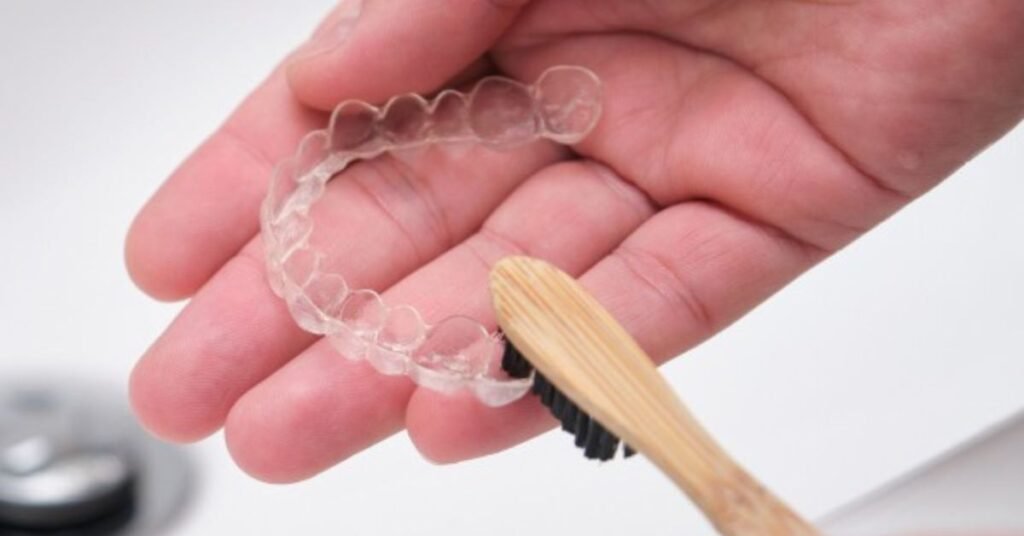
Check your retainer often for stains, cracks, or signs of wear. If you notice a strong odor or heavy buildup, give it a thorough cleaning or speak with your dentist. Regular inspections can help you catch small problems before they become bigger ones.
It is also a good idea to replace an old or damaged retainer when recommended by your dentist. Proper storage and cleaning habits will help protect your retainer for years. Consistent care keeps it looking and working its best.
Helpful Long-Term Care Tips:
- Deep clean your retainer once a week.
- Always store it in a clean case.
- Keep it away from heat and direct sunlight.
- Clean the storage case regularly.
- Avoid using harsh chemicals or bleach.
- Visit your dentist if the retainer becomes damaged.
- Replace the retainer when advised by your dental professional.
Why Do You Need to Clean Your Retainer?
Cleaning your retainer is important because it stays in your mouth for many hours every day. Over time, saliva, bacteria, and food particles can build up on its surface. If you do not clean it regularly, it may develop a bad smell and become uncomfortable to wear. A clean retainer helps keep your mouth fresh and healthy.
Regular cleaning also helps your retainer last longer. Dirt and plaque buildup can cause stains and make the retainer look cloudy. Good cleaning habits can prevent damage and reduce the risk of oral health problems. Taking a few minutes each day to clean your retainer can make a big difference.
| Reason for Cleaning | Benefit |
| Removes bacteria | Helps keep your mouth healthy |
| Prevents bad odors | Keeps the retainer smelling fresh |
| Removes plaque buildup | Reduces the risk of dental problems |
| Prevents stains | Keeps the retainer clear and clean |
| Improves comfort | Makes the retainer more pleasant to wear |
| Extends retainer life | Helps avoid early replacement |
| Supports oral hygiene | Works alongside regular brushing and flossing |
| Reduces germ growth | Lowers the chance of infections |
| Maintains appearance | Keeps the retainer looking new |
| Protects your investment | Saves money on repairs or replacements |
What Are The Common Retainer Care Mistakes and How Can I Avoid Them?
Many people make simple mistakes when caring for their retainers. One common mistake is using hot water to clean them. Hot water can bend the plastic and change the shape of the retainer. Another mistake is forgetting to clean the retainer every day. This can lead to bacteria buildup, bad odors, and stains.
Some people also leave their retainer out in the open or wrap it in a tissue. This can cause it to get lost, damaged, or exposed to germs. Using harsh cleaners or toothpaste can scratch the surface and make the retainer look cloudy. Following proper cleaning and storage habits will help keep your retainer safe and fresh.
Common Mistakes and How to Avoid Them:
- Using hot water → Use lukewarm water instead.
- Skipping daily cleaning → Clean your retainer every day.
- Storing it without a case → Always use a protective case.
- Wrapping it in a napkin → Keep it in its storage box.
- Using harsh chemicals → Use dentist-approved cleaning products.
- Brushing too hard → Clean gently with a soft toothbrush.
- Eating while wearing it → Remove the retainer before meals.
- Forgetting to clean the case → Wash the case regularly.
- Leaving it in direct sunlight → Store it in a cool, dry place.
- Ignoring cracks or damage → Contact your dentist for advice.
When Should I Call My Orthodontist About Retainer Issues?
You should contact your orthodontist if your retainer becomes cracked, broken, or bent. A damaged retainer may not fit correctly and can stop doing its job. Do not try to fix it yourself. Your orthodontist can check the damage and recommend the best solution.
Call your orthodontist if your retainer suddenly feels too tight or too loose. This may be a sign that your teeth have shifted or that the retainer has changed shape. A poor fit can make the retainer less effective. Getting it checked early can help prevent bigger problems.
You should also seek advice if you notice ongoing bad odors, heavy stains, or discomfort while wearing the retainer. Pain, sore spots, or irritation are not normal and should not be ignored. Regular checkups and quick action when problems appear can help keep your smile healthy and your retainer working properly.
Persistent Odors or Discoloration
A retainer should not have a strong smell. Bad odors often mean that bacteria are building up. Regular cleaning can help keep it fresh.
Discoloration can happen over time. Food, drinks, and poor cleaning habits may cause stains. A cloudy or yellow retainer may need deeper cleaning.
If odors or stains do not go away, contact your orthodontist. They can check the retainer and suggest the best solution. In some cases, a replacement may be needed.
Cracks, Warping, or Loose Wires
Cracks can make a retainer weaker. Small cracks may grow over time. A damaged retainer may not fit properly.
Warping often happens from heat. Hot water or direct sunlight can change the shape of the retainer. A warped retainer may feel tight or loose.
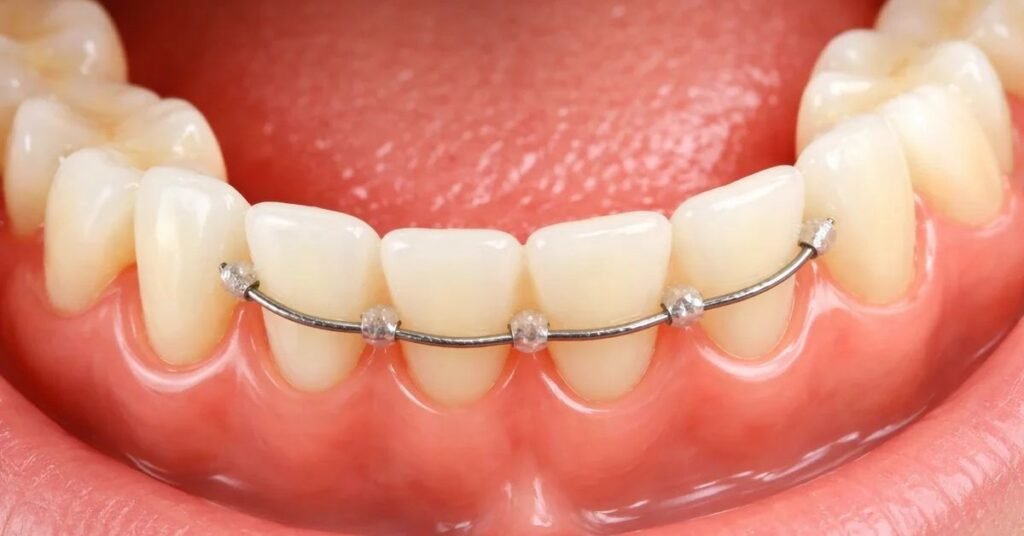
Loose wires are another common problem. They can cause discomfort and reduce the retainer’s effectiveness. If you notice cracks, warping, or loose wires, contact your orthodontist as soon as possible.
Irritation or Gum Sensitivity
A retainer should feel comfortable when you wear it. If it causes irritation, there may be a problem with the fit. Sharp edges or damage can also lead to discomfort.
Sensitive or sore gums can happen when a retainer is not cleaned properly. Bacteria and plaque may build up on the surface. This can irritate the gums and make your mouth feel uncomfortable.
If the irritation does not improve after a few days, contact your orthodontist. Do not ignore pain or swelling. A quick checkup can help find the cause and prevent further problems.
Retainer Fit Changes
Your retainer should fit the same way every day. If it suddenly feels tight, your teeth may have shifted. This can happen if you do not wear the retainer as directed.
A loose retainer can also be a sign of a problem. It may not be able to hold your teeth in the correct position. Changes in fit can affect the results of your orthodontic treatment.
Do not force a retainer that does not fit properly. This can cause discomfort and damage. Contact your orthodontist if you notice any changes in the way your retainer fits.
Conclusion
Keeping your retainer clean is an important part of oral care. A few simple habits each day can help prevent odors, stains, and bacteria buildup. Regular cleaning also helps your retainer stay comfortable and last longer.
By following the right cleaning methods and avoiding common mistakes, you can keep your retainer in great condition. Pay attention to any changes in fit, damage, or discomfort. If you notice a problem, contact your orthodontist for advice. Good retainer care helps protect your smile for years to come.
FAQs
1. How often should I clean my retainer?
You should clean your retainer every day. Daily cleaning helps remove bacteria, plaque, and odors.
2. Can I use toothpaste to clean my retainer?
It is best to avoid regular toothpaste. It can be abrasive and may scratch the retainer surface.
3. What should I do if my retainer smells bad?
Clean it thoroughly and soak it in a retainer-cleaning solution. If the odor remains, contact your orthodontist.
4. Can hot water damage a retainer?
Yes, hot water can warp the plastic and change the fit. Always use lukewarm or cool water for cleaning.
5. How do I know if my retainer needs to be replaced?
A cracked, warped, or poorly fitting retainer may need replacement. Your orthodontist can confirm if a new one is needed.
No Responses