
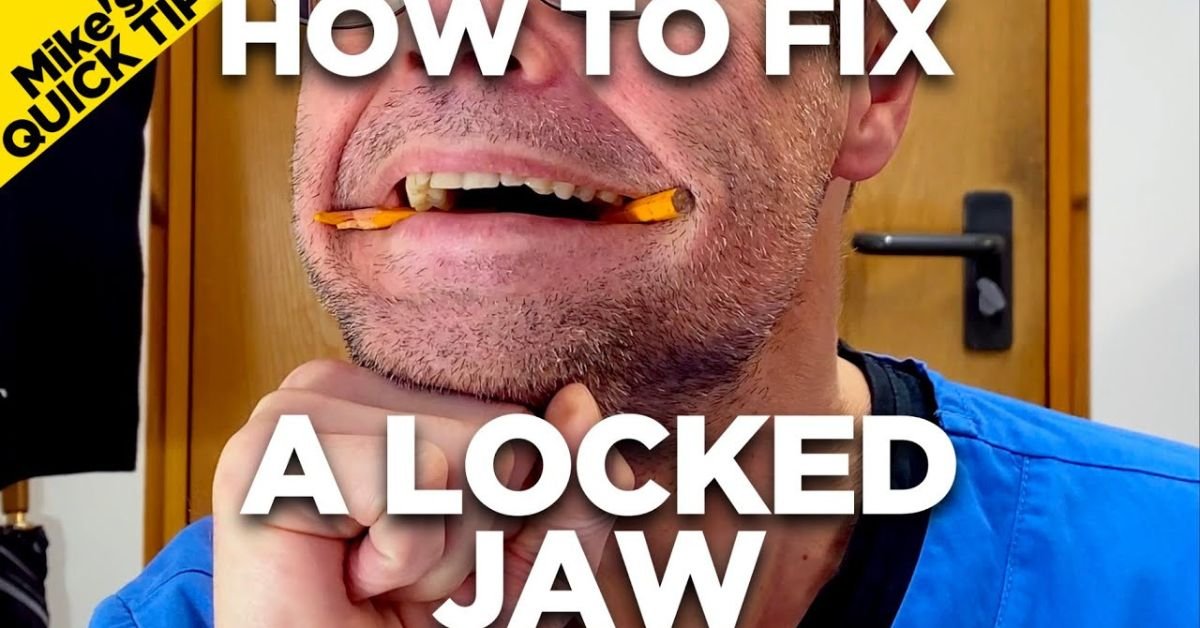
Lock jaw happens when your jaw becomes stiff or gets stuck in one position. It can make it hard to open or close your mouth normally. This problem may happen because of jaw injuries, muscle tension, stress, or joint disorders. The pain and discomfort can make simple tasks like eating and speaking difficult.
Imagine waking up and finding that you cannot fully open your mouth. It can feel scary and frustrating. Many people panic when this happens because they do not know what caused it or how to get quick relief. The good news is that some safe methods may help reduce discomfort and improve jaw movement.
If you are dealing with a locked jaw, acting carefully is important. Gentle jaw exercises, warm compresses, and resting the jaw can often help. In this guide, you will learn how to fix lock jaw immediately and safely, along with tips to prevent the problem from happening again.
Warning Signs
One of the first warning signs of lock jaw is difficulty moving your jaw. You may notice that your mouth does not open as wide as usual. Some people feel stiffness around the jaw joint. This can make eating, talking, or yawning uncomfortable.
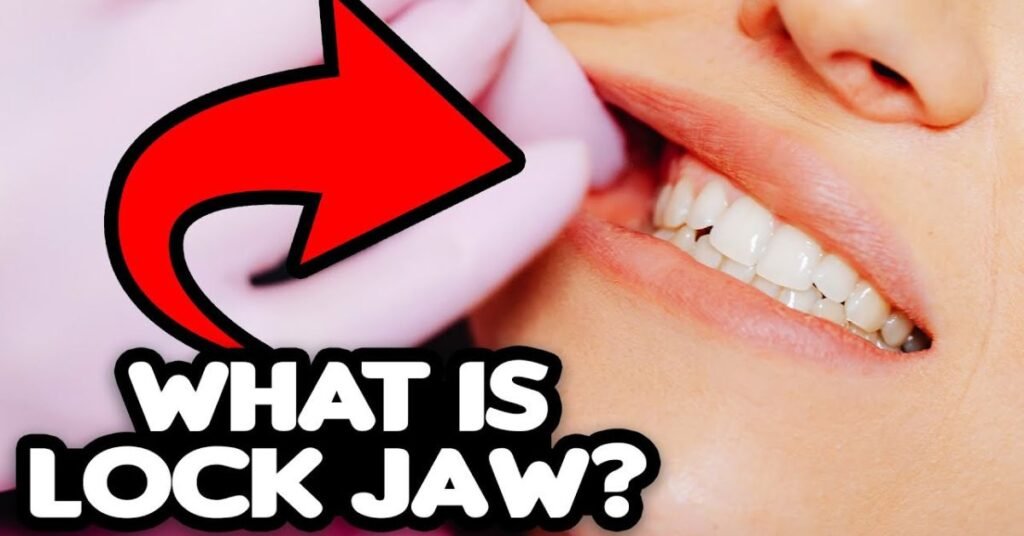
Pain is another common sign. The pain may be mild at first and become worse over time. You might feel soreness near your ears, cheeks, or jaw muscles. In some cases, you may hear clicking or popping sounds when trying to move your jaw.
A locked or stuck feeling in the jaw is a more serious warning sign. Your mouth may suddenly become difficult to open or close. Some people also experience swelling or muscle tightness around the face. If these symptoms appear, it is important to take action quickly to prevent the condition from getting worse.
Common Causes
Lock jaw can happen for several reasons. One of the most common causes is excessive stress on the jaw muscles. People who grind or clench their teeth, especially during sleep, may put extra pressure on the jaw joint. Over time, this can lead to pain, stiffness, and limited movement.
Jaw injuries can also cause lock jaw. A fall, accident, or direct blow to the face may affect the jaw joint or surrounding muscles. Even opening the mouth too wide while yawning, eating, or during dental treatment can sometimes strain the jaw and cause it to become stuck.
Certain medical conditions may increase the risk of lock jaw. Problems with the jaw joint, muscle inflammation, or infections can make normal jaw movement difficult. In some cases, arthritis and other joint disorders may also affect the jaw. Understanding the cause is important because it helps you choose the safest and most effective treatment.
Emergency Steps
If your jaw suddenly feels stuck, try to stay calm. Panicking can make the jaw muscles tighten even more. Avoid forcing your mouth open or closed because this may increase pain or cause further injury. Instead, rest your jaw and move it gently only if it feels comfortable.

Some simple steps may help reduce discomfort while you decide whether medical care is needed. These tips are not a substitute for professional medical advice, but they may provide temporary relief in some situations:
- Stop chewing hard or sticky foods.
- Apply a warm compress to the side of the jaw.
- Keep jaw movements slow and gentle.
- Try to relax your face and neck muscles.
- Drink water and choose soft foods if eating is difficult.
If the pain is severe, your jaw remains locked, or you have trouble breathing or swallowing, seek immediate medical attention. A healthcare professional can identify the cause and recommend the safest treatment for your situation.
How to Fix Lock Jaw Immediately
If your jaw feels locked, the first step is to stop any activity that puts pressure on it. Avoid chewing gum, hard foods, or opening your mouth too wide. Applying a warm compress to the affected area may help relax tight muscles. Taking slow breaths and keeping your face relaxed can also reduce tension around the jaw.
Gentle jaw movements may help improve mobility if they do not cause pain. Move your jaw slowly from side to side or try opening and closing it carefully. Do not force any movement because this can make the problem worse. If the jaw remains locked, the pain becomes severe, or you have trouble speaking, swallowing, or breathing, seek medical attention as soon as possible.
Safe Relief
Resting the jaw can help reduce discomfort. Try to avoid hard foods for a short time. Soft foods are often easier to eat. This gives the jaw muscles time to relax.
A warm compress may provide comfort. Place it gently on the side of the jaw for a few minutes. The warmth can help ease muscle tightness. Many people find this soothing.
Stress can sometimes make jaw tension worse. Try to stay calm and relax your facial muscles. Gentle breathing exercises may help. If symptoms continue or become worse, contact a healthcare professional for advice.
Mistakes Avoid
Do not force your jaw open or closed. This can increase pain and may cause more damage. Move your jaw only if it feels comfortable. Always be gentle with jaw movements.
Avoid eating hard, crunchy, or sticky foods. These foods can put extra pressure on the jaw joint. It is better to choose soft foods until your jaw feels better. Giving your jaw rest can help with recovery.
Do not ignore severe pain or a jaw that stays locked. Waiting too long may make the problem worse. If you have trouble breathing, swallowing, or speaking, seek medical help right away. Early treatment is often the safest choice.
Treatment Table
The information below is for general education only. It does not replace medical advice, diagnosis, or treatment. Lock jaw can have different causes, so a healthcare professional should evaluate severe, ongoing, or worsening symptoms.
These simple measures may provide temporary comfort for some people. However, if your jaw remains locked, the pain becomes severe, or you have trouble breathing, swallowing, or speaking, seek medical attention immediately.
| Symptom or Situation | General Supportive Measure | Purpose |
| Mild jaw stiffness | Rest the jaw | Reduces strain on jaw muscles |
| Tight jaw muscles | Apply a warm compress | May help relax muscle tension |
| Discomfort while eating | Choose soft foods | Limits pressure on the jaw |
| Jaw soreness | Avoid chewing gum | Prevents extra jaw movement |
| Stress-related tension | Practice relaxation techniques | May reduce muscle tightness |
| Mild movement restriction | Gentle jaw movements if comfortable | Helps maintain mobility |
| Jaw fatigue | Take breaks from talking | Gives the jaw time to rest |
| Morning jaw tightness | Avoid clenching the teeth | Reduces stress on the jaw joint |
| Muscle tension in the face | Focus on relaxed facial posture | May ease discomfort |
| Clicking or popping sounds | Avoid wide mouth opening | Helps prevent further strain |
| Symptoms after heavy chewing | Switch to softer meals temporarily | Allows the jaw to recover |
| Ongoing discomfort | Monitor symptoms carefully | Helps determine if medical care is needed |
| Increasing pain | Contact a healthcare professional | Ensures proper evaluation |
| Jaw remains locked | Seek prompt medical attention | Professional assessment may be necessary |
| Trouble breathing or swallowing | Get emergency medical help | Requires immediate attention |
Medical Care
Sometimes lock jaw does not improve with rest and simple home care. If the pain continues or the jaw stays locked, it is a good idea to contact a healthcare professional. They can help identify the cause and suggest the right treatment.
Medical attention is especially important if symptoms become worse. Severe pain, swelling, or difficulty moving the jaw should not be ignored. Early evaluation may help prevent further problems.
Seek immediate medical care if you have trouble breathing, swallowing, or speaking. These symptoms may require urgent attention. A qualified healthcare provider can assess your condition and recommend the safest next steps.
Prevention Tips
Preventing locked jaws often starts with taking care of your jaw muscles and joints. Try not to clench or grind your teeth during the day. Avoid opening your mouth too wide when yawning or eating. Small daily habits can help reduce stress on the jaw.
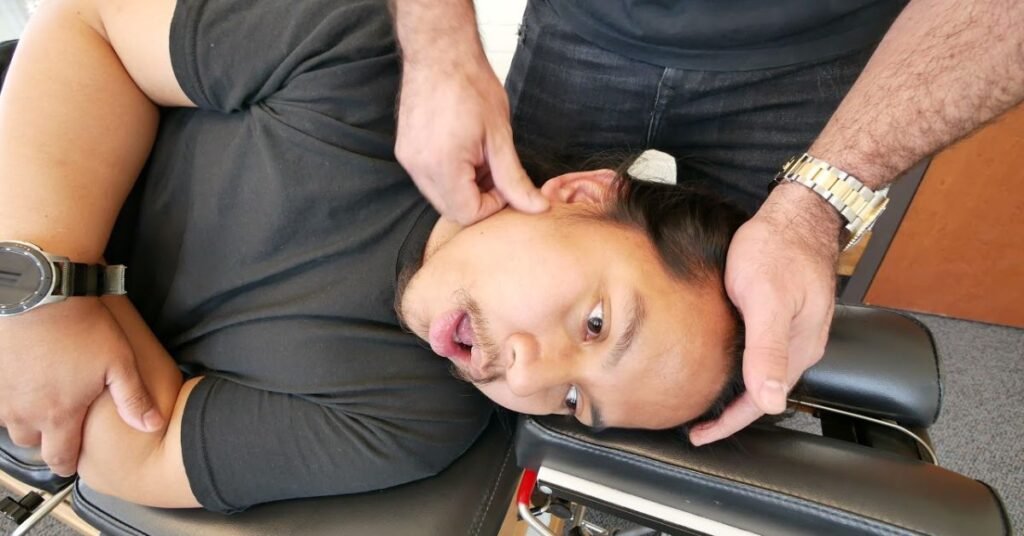
You can also lower your risk by keeping your jaw relaxed and avoiding unnecessary strain. The following tips may help:
- Eat hard foods in moderation.
- Avoid chewing gum for long periods.
- Practice stress management techniques.
- Maintain good posture while sitting and working.
- Take breaks if you talk for long periods.
- Pay attention to jaw pain and address it early.
These simple steps may help keep your jaw comfortable and support normal movement over time.
Conclusion
Lock jaw can be painful and frustrating, but staying calm is important. Simple steps like resting the jaw, using a warm compress, and avoiding hard foods may help reduce discomfort. Paying attention to the warning signs can also help you take action early.
While mild cases may improve with home care, some situations require medical attention. If the jaw remains locked or symptoms become severe, do not delay seeking professional help. Taking care of your jaw and following healthy habits can help prevent future problems and support better jaw health.
FAQs
1. What is lock jaw?
Lock jaw is a condition where the jaw becomes stiff, painful, or difficult to open and close normally.
2. How can I fix my locked jaw immediately at home?
You can try resting your jaw, applying a warm compress, and avoiding hard foods. Do not force your jaw to move.
3. What causes lock jaws?
Common causes include jaw muscle tension, teeth grinding, injuries, stress, and problems with the jaw joint.
4. When should I see a doctor for a locked jaw?
Seek medical help if your jaw stays locked, pain becomes severe, or you have trouble breathing, swallowing, or speaking.
5. Can a locked jaw go away on its own?
Some mild cases may improve with rest and self-care. However, persistent or worsening symptoms should be checked by a healthcare professional.