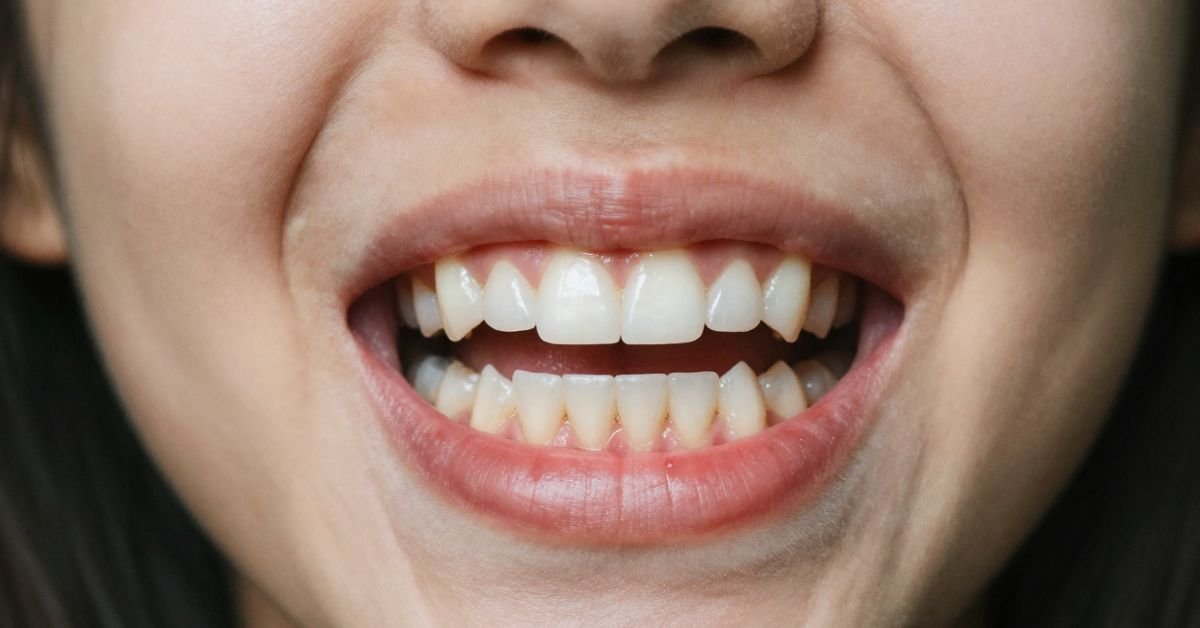
An overbite happens when the upper front teeth cover too much of the lower front teeth. It is a common dental problem in both children and adults. A small overbite is normal, but a deep overbite can cause pain, speech problems, or trouble while eating. Many people look for safe and simple ways to improve it at home.
A healthy smile can make a big difference in daily life. Many people feel less confident because of crooked teeth or jaw issues. The good news is that there are natural habits and simple care tips that may help improve mild overbite problems. Small changes in daily routine can also support better oral health.
There are different ways to manage an overbite naturally and safely at home. Jaw exercises, good posture, and healthy dental habits can be helpful in some cases. Severe overbites may still need professional treatment like braces or aligners. Learning about the problem is the first step toward finding the right solution.
Common Causes of Overbite
One common cause of an overbite is genetics. Some people are born with jaw shapes that do not line up properly. If parents have dental alignment problems, children may also develop the same issue. Teeth size and jaw size can also affect the bite.

Certain childhood habits may also lead to an overbite. Thumb sucking for a long time can push the front teeth forward. Using a pacifier for too many years may also change jaw growth. Tongue thrusting and nail biting can slowly affect tooth position as well.
Poor dental care and missing teeth can also create bite problems. When teeth are lost and not replaced, nearby teeth may shift out of place. Teeth grinding can also damage the natural alignment of the jaw. In some cases, injury to the mouth or jaw may also cause an overbite over time.
Signs You Should Not Ignore
An overbite can cause different problems if it is not treated on time. Some people feel pain in the jaw while eating or speaking. Others may notice that their upper teeth cover too much of the lower teeth. In some cases, people also experience headaches or discomfort in the face.
You should pay attention to warning signs that may show the problem is getting worse. Common signs include:
- Difficulty while chewing food
- Jaw pain or clicking sounds
- Teeth grinding during sleep
- Speech problems
- Uneven tooth wear
- Biting the inside of the cheeks
If these signs continue, it is better to speak with a dental expert before the condition becomes more serious.
How to Fix Overbite Naturally and Safely at Home
Mild overbite problems may improve with healthy daily habits. Good posture can help keep the jaw in a better position. Sitting straight and avoiding slouching may reduce pressure on the neck and jaw. Simple jaw exercises may also support better muscle movement over time.
Eating healthy foods is also important for strong teeth and jaw health. Soft drinks and too much sugar can weaken teeth and gums. Foods rich in calcium and vitamins help keep the mouth healthy. Drinking enough water also supports good oral care and keeps the mouth clean.
It is also important to avoid habits that make an overbite worse. Thumb sucking, nail biting, and teeth grinding can slowly affect tooth alignment. Some people may benefit from mouth exercises suggested by a dental expert. Severe overbites usually need braces, aligners, or other professional treatment for the best results.
Daily Habits That Support Jaw Alignment
Good daily habits can help keep the jaw in a healthier position. Sitting and standing straight may reduce extra pressure on the jaw and neck muscles. Sleeping with proper head support can also help maintain better alignment. Regular brushing and flossing keep teeth and gums healthy, which supports overall jaw health.
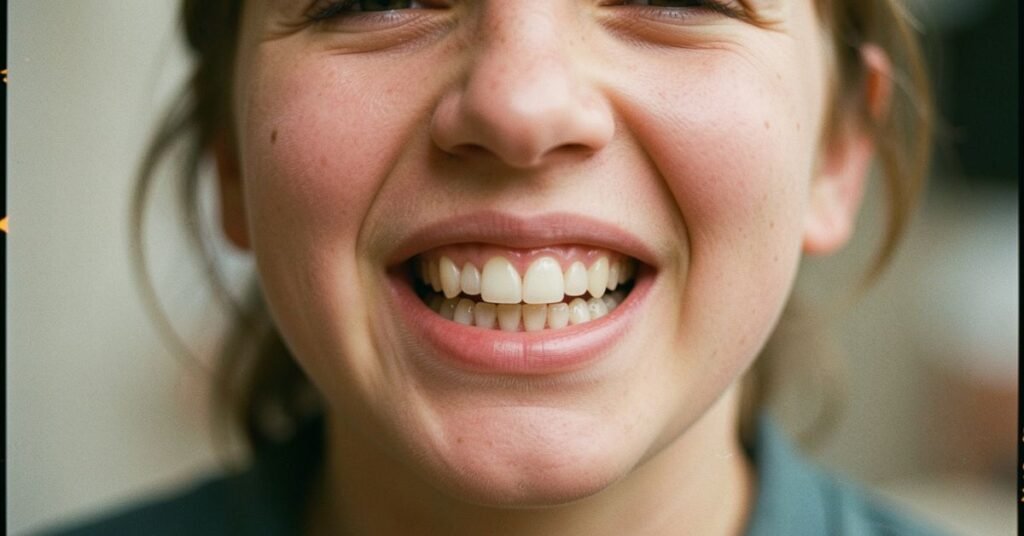
It is also important to avoid habits that strain the mouth. Chewing on hard objects like pens or ice can affect the teeth over time. Stress can lead to teeth grinding, which may worsen jaw problems. Gentle jaw exercises and eating balanced meals may help support natural jaw movement and comfort.
Best Exercises for a Mild Overbite
Simple jaw exercises may help improve muscle strength and jaw movement in mild overbite cases. These exercises are usually easy to do at home and do not need special equipment. Regular practice may support better jaw posture and reduce tension around the mouth area. It is important to do the exercises slowly and gently to avoid pain.
These exercises may not fully fix a severe overbite, but they can support overall jaw health. Many people use them along with healthy habits and dental care routines. If you feel pain or discomfort during an exercise, it is best to stop and ask a dental expert for advice.
| Exercise Name | How to Do It | Benefits | Recommended Time |
| Jaw Stretch Exercise | Open your mouth slowly and hold for a few seconds | Helps relax jaw muscles | 5–10 times daily |
| Chin Tuck | Pull your chin backward gently while keeping your head straight | Supports better neck and jaw posture | 10 repetitions daily |
| Tongue Push Exercise | Press the tongue against the roof of the mouth | May improve jaw control | 5 minutes daily |
| Controlled Mouth Closing | Open and close the mouth slowly in a straight line | Helps jaw movement stay balanced | 10 repetitions daily |
| Side-to-Side Jaw Movement | Move the lower jaw gently from left to right | Improves jaw flexibility | 5 minutes daily |
| Lip Closure Practice | Keep lips closed naturally while breathing through the nose | Supports healthy mouth posture | Practice throughout the day |
| Neck Stretch Exercise | Stretch neck muscles slowly in different directions | Reduces jaw and neck tension | 5 minutes daily |
Foods That Help Dental Health
Healthy foods play an important role in keeping teeth and gums strong. Foods rich in calcium help support healthy teeth and jaw bones. Milk, yogurt, and cheese are good choices for daily meals. These foods may also help protect tooth enamel from damage.
Fresh fruits and vegetables are also good for dental health. Crunchy foods like apples and carrots may help clean the teeth naturally while chewing. Leafy green vegetables contain important vitamins and minerals that support gum health. Drinking enough water also helps wash away food particles and bacteria from the mouth.
Some foods should be limited to protect the teeth. Too much sugar and soft drinks can increase the risk of tooth decay. Sticky candies may stay on the teeth for a long time and cause damage. Eating balanced meals and choosing healthy snacks can support better oral health and overall well-being.
Overbite Treatment Options
Step 1: Dental Check-up
Visit a dentist or orthodontist. They check how severe the overbite is. They also examine teeth and jaw alignment.
Step 2: Early Treatment Planning
The dentist makes a treatment plan. Mild cases may need simple care or exercises. Serious cases need braces or other tools.
Step 3: Braces or Clear Aligners
Braces slowly move teeth into the correct position. Clear aligners are also used for a more hidden option. Both help fix alignment over time.
Step 4: Retainers for Support
After treatment, retainers help keep teeth in the right place. They stop teeth from moving back. This step is very important.
Step 5: Advanced Treatment (If Needed)
Severe cases may need tooth removal or jaw surgery. This is only done when necessary. The dentist decides the safest option.
Step 6: Regular Follow-ups
Regular visits to the dentist are important. They check progress and adjust treatment if needed. This helps ensure better results.
Mistakes That Can Make Overbite Worse
Some daily habits can make an overbite worse over time. People often ignore early signs like jaw pain or teeth shifting. This delay can allow the problem to grow more serious. Not visiting a dentist early is a common mistake.
Bad oral habits also affect tooth alignment. Thumb sucking, nail biting, and chewing on hard objects can push teeth out of place. Teeth grinding at night can also damage jaw balance. Poor posture while sitting or sleeping may add extra pressure on the jaw.
Skipping dental care is another big mistake. Not brushing and flossing regularly can weaken teeth and gums. Avoiding check-ups means problems are not treated early. Using proper dental advice helps prevent the overbite from getting worse.
When You Should Visit an Orthodontist
You should visit an orthodontist when you notice bite problems early. If your upper teeth cover most of the lower teeth, it may be a sign of an overbite. Jaw pain while eating or speaking is also a warning sign. Difficulty in chewing food should not be ignored.
It is also important to get help if the problem is getting worse over time. Speech changes, teeth grinding, or uneven tooth wear are common signs. A dentist can check your condition and suggest the right treatment. Early care can make the correction easier and fast.
Wrap Up
An overbite is a common dental issue that many people face. It can affect your smile, chewing, and jaw comfort. Small cases may improve with good habits and simple care at home. But serious cases need proper dental treatment.
The important thing is to take early action. Watch the signs and avoid habits that make it worse. Regular dental check-ups can help prevent future problems. With the right care, you can improve your oral health and get a better smile.
FAQs
1. Can an overbite be fixed naturally?
Mild overbites may improve with jaw exercises and good habits, but severe cases need dental treatment.
2. What causes an overbite?
Genetics, childhood habits like thumb sucking, and jaw development issues are common causes.
3. How long does overbite correction take?
It depends on severity. Mild cases may take months, while braces can take 1–2 years.
4. Can overbite get worse with age?
Yes, if not treated, it can slowly become more noticeable over time.
5. When should I see a dentist?
You should see a dentist if you have jaw pain, chewing problems, or visible bite misalignment.
No Responses