
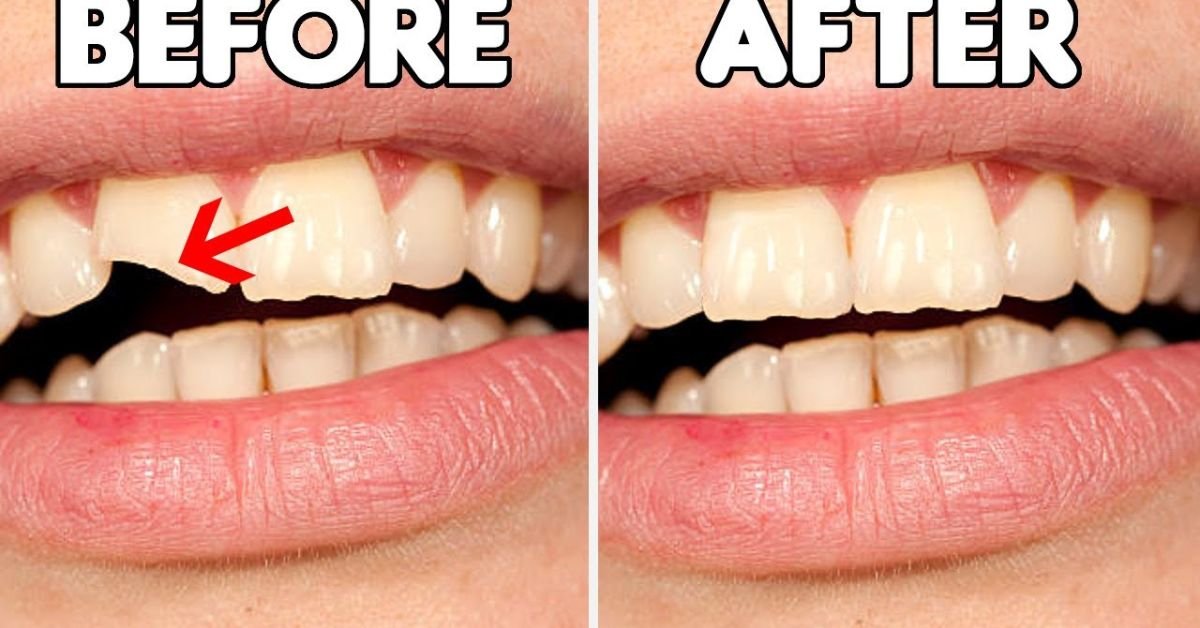
A cracked tooth is a tooth that has a small split, chip, or crack on its surface. It can happen from biting hard foods, an injury, or normal wear over time. A cracked tooth may cause pain, sensitivity, or discomfort while eating and drinking. Taking proper care of it can help protect the tooth and reduce irritation.
Have you ever felt a sharp pain when chewing and wondered what caused it? A small crack in a tooth can sometimes go unnoticed until it starts causing problems. Many people look for natural ways to ease discomfort and protect their teeth before seeking professional treatment. Knowing the right steps can make a big difference.
Natural home care methods cannot fully repair a cracked tooth, but they may help manage symptoms and prevent further damage. Simple habits like keeping the mouth clean, avoiding hard foods, and using gentle remedies can support oral health. In this guide, you will learn practical tips to care for a cracked tooth naturally and safely.
What Causes a Cracked Tooth?
A cracked tooth can happen for many reasons. One common cause is biting down on hard foods. Ice, hard candy, and unpopped popcorn kernels can put too much pressure on a tooth. This pressure may create small cracks over time.
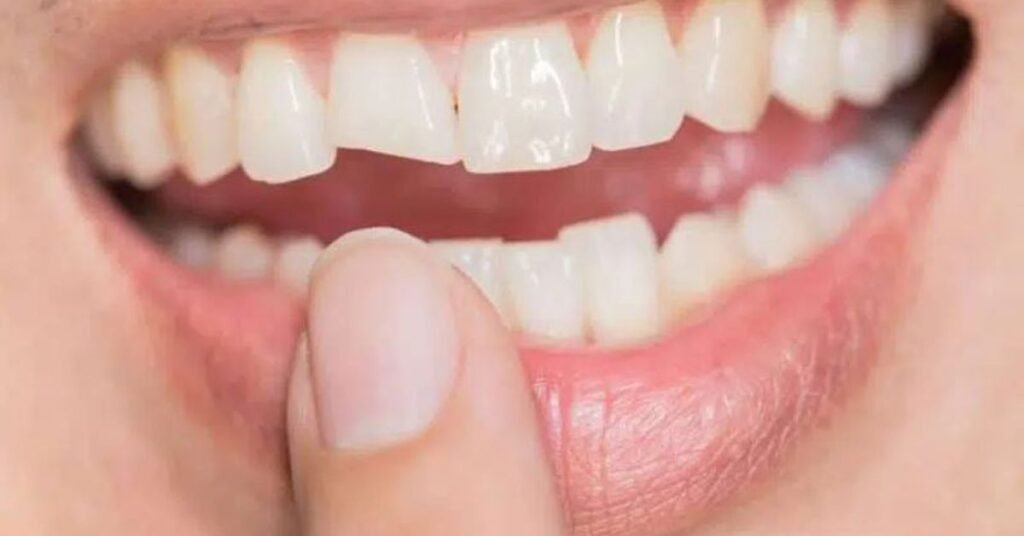
Injuries and accidents can also lead to a cracked tooth. A fall, sports injury, or hit to the mouth can damage the tooth structure. Sometimes the crack is easy to see, while other times it may be hidden. Even a small crack can cause discomfort when chewing.
Teeth can become weaker as people get older. Grinding or clenching the teeth, especially during sleep, can also increase the risk of cracks. Large fillings may weaken a tooth as well. When a tooth is already stressed, everyday use can eventually cause it to crack
Common Signs and Symptoms
A cracked tooth can cause different symptoms depending on the size and location of the crack. Many people feel pain when they bite down or release pressure while chewing. The pain may come and go, making it difficult to identify the problem right away.
Sensitivity is another common sign. You may feel discomfort when eating hot, cold, or sweet foods. Some people notice a sharp feeling that lasts for a few seconds. This happens because the crack can expose the inner parts of the tooth.
In some cases, a cracked tooth may also cause swelling around the gum line. The tooth may feel sore or uncomfortable throughout the day. However, not every crack causes visible symptoms. Regular dental checkups can help find hidden cracks before they become more serious.
How to Fix a Cracked Tooth Naturally
A cracked tooth cannot fully heal on its own, but natural care can help reduce discomfort and prevent further damage. Rinsing your mouth with warm salt water can help keep the area clean and soothe irritated gums. It is also important to avoid hard, crunchy, or sticky foods that may make the crack worse. Eating soft foods can reduce pressure on the affected tooth.
Good oral hygiene plays a key role in protecting a cracked tooth. Brush gently with a soft-bristled toothbrush and use fluoride toothpaste to strengthen your teeth. Staying hydrated and avoiding habits like chewing ice or grinding your teeth can also help. While these natural methods may provide relief, it is still important to see a dentist for proper treatment if the crack is serious.
Natural Remedies for Pain Relief
A cracked tooth can sometimes cause pain and sensitivity. While natural remedies cannot repair the crack, they may help reduce discomfort. Rinsing your mouth with warm salt water is a simple way to keep the area clean and calm irritated tissues. Applying a cold compress to the outside of the cheek may also help reduce swelling and numb pain for a short time.
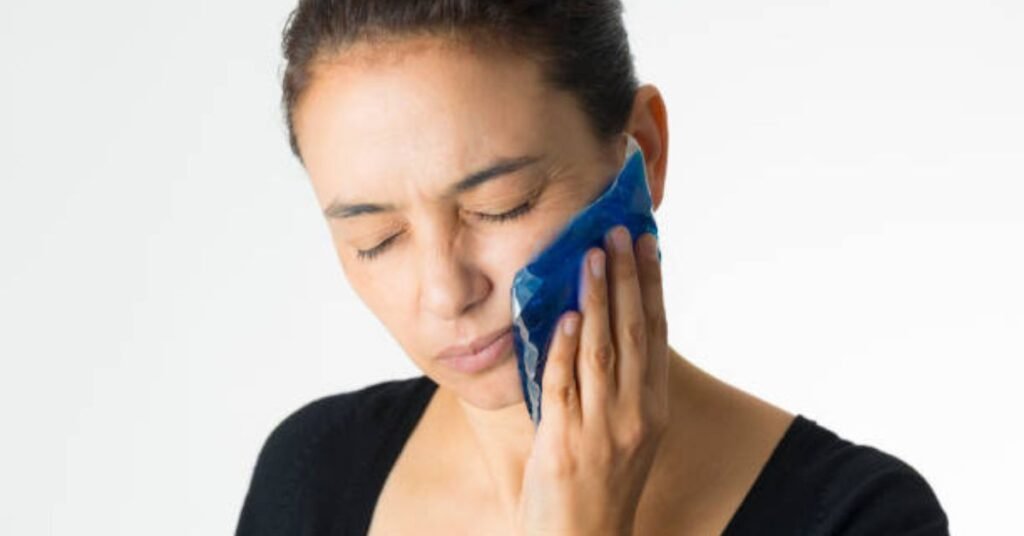
Some easy home remedies can provide temporary relief until you see a dentist. These methods are simple and can be done at home:
- Rinse with warm salt water two to three times a day.
- Apply a cold compress for 15–20 minutes at a time.
- Drink water regularly to keep your mouth clean.
- Avoid very hot, cold, or sugary foods and drinks.
- Chew on the opposite side of your mouth to reduce pressure on the cracked tooth.
These remedies can help manage symptoms, but they should not replace professional dental care. If the pain becomes severe or does not improve, it is important to seek treatment from a dentist as soon as possible.
Foods to Eat and Avoid
Choosing the right foods can help protect a cracked tooth and reduce discomfort. Soft foods are usually easier to chew and place less pressure on the tooth. Good options include yogurt, oatmeal, scrambled eggs, mashed potatoes, soups that are not too hot, and soft cooked vegetables. Smoothies can also be helpful if they are not extremely cold.
Some foods can make the crack worse or trigger pain. Avoid hard foods such as ice, nuts, hard candy, popcorn kernels, and tough crusts. Sticky foods like caramel, taffy, and chewy candies can pull on the damaged tooth. Very hot, very cold, or very sugary foods and drinks may increase sensitivity in some people.
It is also important to chew carefully. Try chewing on the opposite side of your mouth until the tooth is evaluated by a dentist. Cut food into smaller pieces and avoid biting directly into hard items like whole apples or crusty bread. These simple food choices can help protect the tooth while you manage symptoms and seek proper dental care.
Daily Oral Care Tips
Good oral hygiene is important when you have a cracked tooth. Keeping your mouth clean can help prevent bacteria from causing further problems. Brush your teeth gently twice a day with a soft-bristled toothbrush. Use fluoride toothpaste to help strengthen your teeth and protect the enamel.
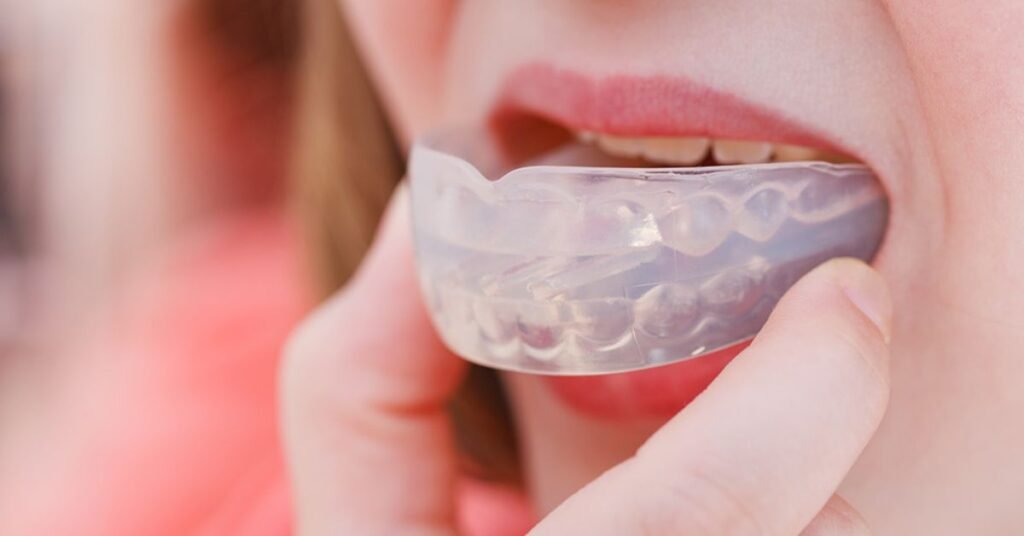
Simple daily habits can support your oral health and reduce discomfort. Try to follow these tips every day:
- Brush your teeth for at least two minutes.
- Floss carefully to remove food particles between teeth.
- Rinse your mouth with water after meals.
- Avoid chewing ice or other hard objects.
- Drink plenty of water throughout the day.
- Wear a mouthguard if you grind your teeth at night.
These small steps can help protect a cracked tooth and keep your mouth healthier. Consistent oral care can also lower the risk of future dental problems.
Home Care Remedies Comparison Table
Different home care remedies may help reduce discomfort from a cracked tooth. While these methods cannot repair the crack, they can make daily activities more comfortable. Choosing the right remedy depends on your symptoms and needs.
The table below compares some common home care options. It shows how each remedy may help and when it is best used. Remember that these remedies provide temporary relief and do not replace professional dental treatment.
| Home Care Remedy | Purpose | How to Use It | Benefits | Limitations |
| Warm Salt Water Rinse | Clean the mouth and soothe gums | Mix salt in warm water and rinse for 30 seconds | Easy to use and inexpensive | Does not repair the tooth |
| Cold Compress | Reduce swelling and numb pain | Apply to the outside of the cheek for 15–20 minutes | Quick pain relief | Temporary effect |
| Soft Food Diet | Prevent pressure on the tooth | Eat foods like yogurt, soup, and mashed potatoes | Reduces discomfort while chewing | Not a long-term solution |
| Fluoride Toothpaste | Strengthen tooth enamel | Brush twice daily | Supports overall tooth health | Cannot heal a crack |
| Drinking Water | Keep the mouth clean | Sip water throughout the day | Helps remove food particles | Limited pain relief |
| Avoiding Hard Foods | Prevent further damage | Stay away from ice, nuts, and hard candy | Protects the cracked tooth | Requires ongoing attention |
| Gentle Brushing | Maintain oral hygiene | Use a soft-bristled toothbrush | Helps prevent infection | Must be done carefully |
| Flossing Carefully | Remove trapped food | Floss gently around the affected area | Keeps gums healthy | May cause discomfort if done roughly |
| Mouthguard for Grinding | Protect teeth from pressure | Wear while sleeping if recommended | Helps prevent worsening cracks | Requires proper fitting |
| Chewing on the Opposite Side | Reduce stress on the cracked tooth | Use the unaffected side for chewing | Simple and effective | May be inconvenient for some people |
When to See a Dentist
Natural remedies can help manage discomfort, but some situations require professional care. You should see a dentist if you have severe pain, swelling, or bleeding around the tooth. A visible crack or a broken piece of the tooth is also a sign that dental treatment may be needed. Early care can help prevent the problem from becoming worse.
It is also important to visit a dentist if the tooth remains sensitive to hot or cold foods for several days. Pain that comes back often should not be ignored. A dentist can examine the tooth and recommend the best treatment to protect it. Getting help early may save the tooth and reduce the risk of further damage or infection.
Preventing Future Tooth Cracks
Preventing tooth cracks starts with good daily habits. Brush your teeth twice a day and floss regularly to keep your teeth strong and healthy. Using fluoride toothpaste can help protect the enamel from damage. Regular dental checkups can also help identify small problems before they become serious.
Be careful about what you eat and how you use your teeth. Avoid chewing on ice, hard candy, pens, or other hard objects. These habits can place extra stress on your teeth and increase the risk of cracks. Eating a balanced diet with plenty of vitamins and minerals can also support strong teeth.
If you grind or clench your teeth at night, consider using a mouthguard. This can reduce pressure and help protect your teeth while you sleep. Wearing protective gear during sports is another smart way to avoid dental injuries. Taking these simple precautions can lower the chances of developing future tooth cracks.
Conclusion
A cracked tooth can be uncomfortable, but proper care can help reduce pain and protect the tooth from further damage. Simple steps like maintaining good oral hygiene, eating soft foods, and avoiding hard objects can make a difference. Natural remedies may provide temporary relief and help you manage symptoms at home.
It is important to remember that home care cannot fully repair a cracked tooth. If the pain continues or the crack becomes worse, a dentist should examine the tooth as soon as possible. Taking quick action and following healthy dental habits can help keep your smile strong and prevent future tooth problems.
FAQs
1. Can a cracked tooth heal naturally?
No, a cracked tooth cannot fully heal on its own. Natural care may help reduce discomfort and prevent further damage.
2. What is the best home remedy for a cracked tooth?
A warm salt water rinse is one of the most common remedies. It can help keep the area clean and soothe irritated gums.
3. What foods should I avoid with a cracked tooth?
Avoid hard, sticky, and very crunchy foods. These foods can put extra pressure on the tooth and worsen the crack.
4. When should I see a dentist for a cracked tooth?
You should see a dentist if you have severe pain, swelling, ongoing sensitivity, or a visible crack in the tooth.
5. Can brushing help protect a cracked tooth?
Yes, gentle brushing with fluoride toothpaste can help maintain oral health and protect the tooth from further problems.