

Direct deposit is a simple way to move money into a bank account without using cash or paper checks. Many people use it to receive paychecks, government benefits, or other payments. If you are wondering how to send direct deposit to yourself, the process depends on the type of payment and the account you want to use.
However, many people think direct deposit is only for employers. That is not always true. In some situations, you can arrange payments to go directly into your own bank account. Therefore, learning the correct steps can save time, reduce stress, and make managing your money much easier.
In this guide, you will learn how to send direct deposit to yourself step by step. You will also discover the requirements, common mistakes to avoid, and helpful tips to complete the process safely and successfully.
Direct Deposit Basics
Direct deposit is a safe and simple way to receive money directly into your bank account. It removes the need for paper checks and makes payments faster. Before you begin, it is helpful to understand how the process works.
Whether you receive a paycheck, tax refund, or another payment, direct deposit can save both time and effort. In addition, it helps reduce delays and lowers the risk of losing a check. That is why many people choose this payment method.
If you want to learn how to send direct deposit to yourself, knowing the basics is the first step. After you understand the process, the next subheadings will explain each part in more detail. Therefore, you can follow every step with confidence.
The following sections cover the meaning of direct deposit, how it works, and the main benefits it offers. As a result, you will have a clear understanding before moving on to the setup process. This strong foundation will make the rest of the guide much easier to follow.
Payment Definition
A payment is money sent from one person or organization to another. It can be made for a salary, refund, benefit, or other purpose. The money can be transferred by cash, check, or bank transfer.
Direct deposit is a type of electronic payment. Instead of receiving a paper check, the money goes straight into your bank account. Therefore, the process is faster and more convenient.
When people talk about sending a direct deposit to yourself, they usually mean directing a payment into their own bank account. This can happen through an employer, a government agency, or another approved payer. As a result, you receive the funds without extra steps.
Understanding this payment method is important before setting it up. Once you know how it works, the remaining steps become much easier to follow. Moreover, you can avoid common mistakes during the process.
Process Overview
The direct deposit process starts when the payer collects your banking information. This usually includes your routing number and account number. Then, the payment is prepared for transfer.
Next, the payer sends the money through an electronic payment network. After that, your bank receives the funds and deposits them into your account. As a result, you do not need to visit the bank.
The process is usually quick and secure when all the details are correct. However, even a small mistake can delay the payment. Therefore, always check your information before submitting it.
Once the payment is complete, you can confirm the deposit in your bank account. Many banks also send alerts when money arrives. This makes it easy to track your direct deposits and manage your finances.
Key Benefits
Direct deposit offers a fast and reliable way to receive money. The funds go directly into your bank account without waiting for a paper check. As a result, you get quicker access to your money.
It is also a secure payment method. Since there is no paper check, the risk of it being lost or stolen is much lower. Therefore, your payments stay better protected.
Another benefit is convenience. You do not need to visit a bank or use a mobile deposit. Instead, the money arrives in your account automatically on the payment date.
Direct deposit also makes it easier to manage your finances. You can track payments through your banking app and set up alerts. Moreover, keeping a digital record helps you monitor your income over time.
Eligibility Check
Before you set up direct deposit, make sure you meet the basic requirements. Most people with a valid checking or savings account are eligible. However, the exact rules may vary by bank or payer.
You should also confirm that the organization sending the money offers direct deposit. Many employers, government agencies, and payment providers support this option. Therefore, it is a good idea to ask before you begin.
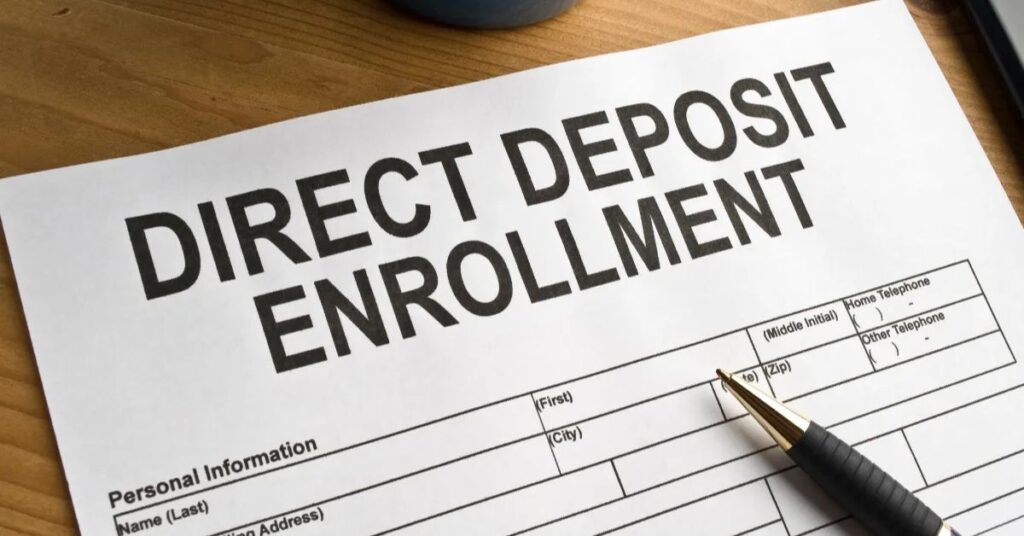
Having the correct account information is just as important. Your routing number, account number, and personal details should all be accurate. This helps prevent delays and failed deposits.
The following subheadings explain the main eligibility requirements in detail. They will help you check if your account is ready for direct deposit. As a result, you can move to the setup process with confidence.
Bank Requirements
To use direct deposit, you need an active bank account. Most banks allow direct deposits into both checking and savings accounts. Therefore, make sure your account is open and ready to receive payments.
Your bank will also require the correct routing number and account number. These details tell the payment where to go. Even a small mistake can send the money to the wrong account.
Some banks may ask you to verify your identity before enabling certain services. This step helps protect your account from fraud. As a result, your money stays more secure.
It is also helpful to check your bank’s direct deposit policies. Some banks have special rules or processing times. Knowing these details can help you avoid delays and complete the setup smoothly.
Account Verification
Account verification confirms that the bank account belongs to you. This step helps ensure that future payments are sent to the correct account. Therefore, it is an important part of the setup process.
Your bank or the payer may ask for your account number, routing number, and a valid ID. In some cases, you may also need to provide a voided check or a bank letter. This helps verify your banking information.
Some banks use small test deposits to verify an account. You simply check your account, confirm the deposit amounts, and complete the verification. As a result, your account becomes ready for direct deposits.
Always review your account details before submitting them. Correct information helps prevent delays and payment errors. Moreover, proper verification keeps your money safe and secure.
Required Information
Before setting up direct deposit, gather all the required information in one place. Having everything ready makes the process faster and easier. As a result, you can avoid unnecessary delays.
The most important details are your bank account information and personal identification. These details help the payer send money to the correct account. Therefore, always double-check them before submitting.
Different payers may ask for different documents or forms. However, most of them require the same basic banking information. Keeping these details updated is always a good idea.
The following subheadings explain each required item in detail. They will help you understand what to prepare before starting. This way, you can complete the direct deposit setup without confusion.
Routing Number
A routing number is a nine-digit code that identifies your bank. It tells the payment system which bank should receive the money. Therefore, it is an important part of direct deposit.
You can find your routing number on your checks or in your online banking account. Many banks also display it in their mobile apps. This makes it easy to access when needed.
Always use the correct routing number for your account. A wrong number can delay the payment or send it to the wrong bank. As a result, checking it carefully is very important.
If you are unsure about your routing number, contact your bank before submitting your form. A quick confirmation can prevent mistakes. Moreover, it helps your direct deposit process run smoothly.
Account Number
Your account number is the unique number assigned to your bank account. It tells the bank exactly where to deposit your money. Therefore, it must be entered correctly.
You can find your account number on your checks, bank statement, or online banking app. Most banks also show it in your account details. This makes it easy to locate when needed.
Always double-check your account number before submitting a direct deposit form. Even one incorrect digit can cause payment delays or failed deposits. As a result, reviewing the information is very important.
Keep your account number private and share it only with trusted payers. This helps protect your banking information from misuse. Moreover, it keeps your direct deposit process safe and secure.
Personal Details
Your personal details help the payer identify you correctly. These usually include your full name, address, phone number, and email. Therefore, make sure all the information is accurate.
Some payers may also ask for your date of birth or employee ID. This helps match your direct deposit request with your records. As a result, the setup process becomes smoother.
Always enter your personal details exactly as they appear on your bank and official documents. Small differences can cause delays or verification issues. Therefore, review everything before submitting the form.
Keep your personal information updated if anything changes. This helps you continue receiving payments without interruption. Moreover, accurate details reduce the chance of processing errors.
Preparation Steps
Before you set up direct deposit, take a few minutes to prepare. A little planning can save time later. As a result, the process becomes much easier.
Start by collecting your banking details and any required documents. Make sure the information is correct and up to date. Therefore, you can avoid common errors.
It is also a good idea to check your bank account status. Ensure the account is active and able to receive direct deposits. This helps prevent unnecessary delays.
The following subheadings explain each preparation step in detail. They will guide you through everything you need before getting started. This way, you can complete the setup with confidence.
Choose Account
Choose the bank account where you want to receive your direct deposit. Most people use a checking account because it is easy to access. However, many banks also accept deposits into savings accounts.
Make sure the account is active and in your name. An inactive or closed account cannot receive payments. Therefore, check its status before you continue.
Think about how you plan to use the money. If you need regular access, a checking account is usually the better choice. As a result, managing your funds becomes more convenient.
Finally, confirm that the account information is correct. Check both the routing number and account number carefully. This simple step can help prevent payment delays and errors.
Gather Documents
Gather all the documents before you start the direct deposit setup. Having everything ready saves time and reduces stress. Therefore, you can complete the process more quickly.
You may need a government-issued ID, bank account details, and a direct deposit form. Some payers also ask for a voided check or a bank letter. Make sure these documents are easy to access.
Check that every document contains accurate and up-to-date information. Old or incorrect details can delay your request. As a result, reviewing them first is a smart idea.
Keep your documents in a safe place after the setup is complete. You may need them again for future updates or verification. Moreover, staying organized makes managing your direct deposits much easier.
Verify Details
Check all your banking information before submitting the direct deposit form. Make sure your routing number and account number are correct. Therefore, the payment can reach the right account.
Review your personal details carefully as well. Your name and other information should match your bank records. This helps prevent verification problems.
If you find any mistakes, correct them before sending the form. Even a small error can delay your payment. As a result, taking a few extra minutes is worth it.
Finally, read the entire form one last time before you submit it. A careful review helps avoid common errors. Moreover, it increases the chances of a smooth and successful direct deposit setup.
How to Send Direct Deposit to Yourself
Sending a direct deposit to yourself starts with the right information and a valid bank account. Once everything is ready, the setup process becomes simple. Therefore, following each step carefully is important.
The exact process depends on who is sending the payment. It could be your employer, a government agency, or another approved payer. However, the basic steps are very similar.
Complete each step in the correct order and review your information before submitting it. This helps prevent delays and payment errors. As a result, your money can reach your account smoothly.
The following step-by-step guide explains the entire process in detail. Each subheading covers one important action to help you complete the setup successfully. By following them, you can set up direct deposit with confidence.
Contact Payer
The first step is to contact the person or organization sending the payment. This could be your employer, a government agency, or another approved payer. Therefore, make sure you reach the correct department.
Ask if they offer direct deposit and what information they need. Many payers provide a direct deposit form to complete. As a result, you will know exactly what to submit.
If you have any questions, ask before filling out the form. This can help you avoid mistakes and save time. Moreover, clear instructions make the process easier.
Keep a copy of any emails or documents you receive from the payer. These records can be helpful if you need to follow up later. This way, you can track your direct deposit request with confidence.
Employer Option
If you receive a salary, your employer is usually the easiest way to set up direct deposit. Most companies already support this payment method. Therefore, ask your payroll department for the required form.
Fill out the form with your correct bank account details. Include your routing number and account number carefully. This helps ensure your paycheck goes to the right account.
Some employers may ask for a voided check or a bank verification letter. Submit all requested documents on time. As a result, your direct deposit can be processed without delays.
After the request is approved, check your next payday to confirm the deposit. If the money does not arrive, contact the payroll department immediately. Moreover, keeping your records updated can help resolve any issues quickly.
Government Option
If you receive government payments, you may be able to use direct deposit. Many agencies send benefits, tax refunds, or other payments this way. Therefore, check whether your agency offers this option.
Complete the required direct deposit form with your correct bank details. Make sure your routing number and account number are accurate. This helps your payment reach the right account.
Some government agencies may ask for identity verification before processing your request. Submit any required documents as soon as possible. As a result, your application can be approved more quickly.
After your request is accepted, monitor your bank account on the expected payment date. If you notice any delays, contact the agency for an update. Moreover, keeping your information current helps avoid future payment issues.
Request Form
Ask the payer for a direct deposit request form before you begin. Most employers and government agencies provide one. Therefore, getting the correct form is the first step.
Read the form carefully before filling it out. Follow every instruction to avoid mistakes. This makes the process smoother and faster.
Enter your banking information exactly as requested. Double-check your routing number and account number before submitting the form. As a result, your payment is less likely to be delayed.
Keep a copy of the completed form for your records. It can help if you need to track or update your request later. Moreover, having a copy makes future changes much easier.
Complete Form
Fill out the direct deposit form with accurate information. Enter your full name and banking details carefully. Therefore, take your time and avoid rushing.
Write your routing number and account number in the correct fields. Check every number before moving to the next section. This helps prevent payment errors.
If the form asks for extra information, complete every required field. Do not leave important sections blank. As a result, your request is less likely to be delayed.
Review the completed form one final time before submitting it. Correct any mistakes you find right away. Moreover, a careful review increases the chance of a successful direct deposit setup.
Enter Banking
Enter your banking information exactly as it appears on your account. This usually includes your routing number and account number. Therefore, type every detail carefully.
Choose the correct account type if the form asks for it. Select either checking or savings based on your bank account. This helps the payment go to the right place.
Double-check all the numbers before you continue. A single incorrect digit can delay or reject the deposit. As a result, careful review is very important.
After entering your banking details, save or submit the information as instructed. Keep a copy if possible for future reference. Moreover, accurate records make it easier to update your details later.
Review Details
Review every detail before you submit your direct deposit request. Check your name, routing number, and account number carefully. Therefore, you can catch mistakes early.
Compare the information with your bank records. Make sure every number and spelling is correct. This helps prevent payment delays.
If you notice an error, fix it before sending the form. Even a small mistake can cause the deposit to fail. As a result, taking a few extra minutes is worthwhile.
After everything looks correct, submit your request with confidence. Keep a copy of the completed form for your records. Moreover, it will be helpful if you need to check the information later.
Submit Request
Submit your direct deposit request after checking all the information. Make sure every required field is complete. Therefore, your application can be processed without delays.
Send the form using the method requested by the payer. Some accept online forms, while others require a printed copy. Follow their instructions carefully.
After submitting the request, look for a confirmation message or email. This lets you know that your form has been received. As a result, you can track the progress more easily.
Keep a copy of the submitted form and any confirmation details. These records are useful if you need to ask about your request later. Moreover, they make future updates much simpler.
Confirm Receipt
After submitting your request, confirm that the payer has received it. Many organizations send a confirmation email or message. Therefore, check your inbox or account regularly.
If you do not receive a confirmation, contact the payer. Ask whether your direct deposit request is being processed. This helps avoid unnecessary delays.
Keep any confirmation number or email in a safe place. You may need it if you have questions later. As a result, tracking your request becomes much easier.
Once the receipt is confirmed, wait for the processing period to end. Then, check your bank account for the first deposit. Moreover, monitoring your account helps you spot any issues quickly.
Track Status
After submitting your request, keep track of its status. Many employers and payment providers let you check progress online. Therefore, log in regularly for updates.
Watch for emails, text messages, or account notifications. These updates can tell you if your request is approved or still being processed. As a result, you always know what is happening.
If the status does not change for several days, contact the payer. Ask if they need any additional information. This can help prevent unnecessary delays.
Once the status shows as complete, check your bank account for the deposit. Compare the payment with the expected amount. Moreover, keeping track of every step gives you peace of mind.
Check Deposit
Check your bank account on the expected payment date. Look for the direct deposit in your transaction history. Therefore, you can confirm that the money has arrived.
Compare the deposited amount with the expected payment. Make sure the total is correct before using the funds. This helps you spot any problems early.
If the deposit is missing, wait until the processing time has passed. Then, contact the payer or your bank for assistance. As a result, you can resolve the issue more quickly.
Keep a record of every direct deposit you receive. Your bank statement or mobile app can help you track payments. Moreover, these records are useful for future reference.
Verify Amount
Check the deposited amount as soon as the money reaches your account. Compare it with the amount you expected to receive. Therefore, you can find any differences quickly.
Review your pay stub, payment notice, or deposit record. Make sure every amount matches the bank transaction. This helps confirm that the payment is correct.
If you notice a missing or incorrect amount, contact the payer immediately. Explain the issue and provide any supporting documents if needed. As a result, the problem can be resolved faster.
Keep a record of each verified deposit for future reference. Your bank statements can help you track past payments. Moreover, these records make it easier to solve any future issues.
Fix Errors
If you find an error, act as soon as possible. Small mistakes can delay your direct deposit or send it to the wrong account. Therefore, do not ignore any issue.
Check your routing number, account number, and personal details again. Compare them with your bank records. This helps you identify the exact mistake.
Contact the payer if you need to correct any information. Explain the problem clearly and provide the updated details. As a result, they can process the correction more quickly.
After the changes are made, monitor your bank account for the next deposit. Confirm that the payment arrives correctly. Moreover, keeping your information updated helps prevent future errors.
Update Changes
Update your direct deposit information whenever your banking details change. This includes a new account number or a different bank. Therefore, notify the payer as soon as possible.
Complete a new direct deposit form with your updated information. Make sure every detail is correct before submitting it. This helps prevent missed or delayed payments.
Tell the payer before closing your old bank account. Wait until the new direct deposit is active. As a result, your payments can continue without interruption.
After the update is approved, check your next deposit carefully. Confirm that the money arrives in the new account. Moreover, keeping your information current helps avoid future problems.
Save Records
Save a copy of every direct deposit form you submit. Keep any confirmation emails or receipts as well. Therefore, you can access them whenever needed.
Store your records in a safe and organized place. You can use a folder or a secure digital file. This makes important documents easy to find.
Review your bank statements regularly and keep copies of your deposits. These records help you track your payment history. As a result, you can quickly verify past transactions.
If a problem occurs, your saved records can help resolve it faster. They provide proof of your request and payment details. Moreover, keeping good records makes future updates much easier.
Monitor Account
Check your bank account regularly after setting up direct deposit. Make sure each payment arrives on time. Therefore, you can spot any issues quickly.
Review your recent transactions and account balance often. Compare each deposit with the expected amount. This helps you confirm that everything is correct.
Turn on mobile or email notifications if your bank offers them. These alerts let you know when money is deposited. As a result, you can monitor your account without logging in every day.
If you notice a missing or incorrect payment, contact your bank or the payer right away. Quick action can help fix the problem sooner. Moreover, regular monitoring keeps your finances on track.
Enable Alerts
Enable bank alerts to stay updated about your direct deposits. Most banks offer email, text, or mobile app notifications. Therefore, you can know when money arrives.
Choose the alerts that are most useful for you. You can receive notifications for deposits, withdrawals, and low balances. This helps you monitor your account more easily.
Check that your phone number and email address are correct. Otherwise, you may miss important updates. As a result, keeping your contact information current is important.
Review your alert settings from time to time. Update them if your contact details or preferences change. Moreover, timely alerts help you manage your money with confidence.
Protect Information
Keep your banking information private at all times. Share your routing number and account number only with trusted payers. Therefore, you can reduce the risk of fraud.
Use strong passwords for your online banking account. If available, turn on two-factor authentication for extra security. This helps protect your personal and financial information.
Avoid sending sensitive banking details through unsecured emails or public Wi-Fi. Instead, use secure websites or official bank apps. As a result, your information stays safer.
Check your bank account regularly for unusual activity. If you notice anything suspicious, contact your bank immediately. Moreover, quick action can help protect your money.
Repeat Process
You may need to repeat the direct deposit process if your bank account changes. This also applies when you start a new job or receive payments from a new payer. Therefore, update your information as soon as possible.
Follow the same steps each time you set up direct deposit. Gather your documents, complete the form, and review every detail carefully. This helps reduce the chance of mistakes.
Always submit your updated banking information before the next payment date. This gives the payer enough time to process your request. As a result, your payments can continue without interruption.
After repeating the process, check your next deposit to confirm everything is working correctly. Keep your records for future reference. Moreover, staying organized makes future updates much easier.
Common Mistakes
Many people enter the wrong routing number or account number on the direct deposit form. Even one incorrect digit can delay the payment. Therefore, always review your banking details carefully.
Another common mistake is submitting outdated personal or bank information. If your account has changed, update your details before requesting direct deposit. This helps prevent failed transactions.
Some people forget to confirm that the payer has processed their request. As a result, they expect a deposit before the setup is complete. Checking the status can save time and avoid confusion.
It is also a mistake to ignore account notifications after the setup. Monitor your bank account and verify each deposit when it arrives. Moreover, keeping records makes it easier to solve any future issues.
Security Tips
Keep your banking details safe and share them only with trusted payers. Never give your account information to unknown people or suspicious websites. Therefore, you can reduce the risk of fraud.
Use strong passwords for your online banking account. In addition, enable two-factor authentication if your bank offers it. This adds an extra layer of security.
Always use secure internet connections when accessing your bank account. Avoid public Wi-Fi for banking activities whenever possible. As a result, your personal information stays better protected.
Review your bank account regularly for unusual transactions. If you notice anything suspicious, report it to your bank immediately. Moreover, quick action can help protect your money and account.
Processing Time
Direct deposit does not happen instantly in most cases. The processing time depends on the payer and your bank. Therefore, it may take one to three business days.
Some employers and government agencies process payments on fixed schedules. As a result, your first direct deposit may take a little longer than future payments. After that, deposits usually arrive on time.
Banks may also have different processing times. Weekends and public holidays can delay the transfer. Therefore, keep these dates in mind when expecting a payment.
If your deposit does not arrive after the expected time, contact the payer first. Then, check with your bank if needed. Moreover, keeping your payment records can help resolve any delay quickly.
Deposit Limits
Some banks and payment providers may have deposit limits. These limits can depend on the account type or the payment source. Therefore, it is a good idea to check the rules in advance.
In many cases, regular payroll and government payments are not affected by low deposit limits. However, other types of deposits may have restrictions. This depends on your bank’s policies.
If you expect a large payment, contact your bank before the deposit is sent. They can explain any limits that may apply. As a result, you can avoid unexpected issues.
Review your bank’s terms and conditions from time to time. Policies may change without notice. Moreover, knowing your deposit limits helps you manage your money with confidence.
Troubleshooting Guide
If your direct deposit does not arrive, do not panic. First, check the expected payment date and your bank account. Therefore, you can rule out simple delays.
Next, review your routing number and account number. Incorrect banking details can prevent the deposit from reaching your account. As a result, correcting the information may solve the problem.
If everything looks correct, contact the payer for an update. Ask whether the payment was processed successfully. This helps you understand where the delay occurred.
If the issue continues, speak with your bank for further assistance. Keep your payment records and confirmation details ready. Moreover, having this information can help resolve the problem more quickly.
Comparison Table
The table below compares direct deposit with other common payment methods. It shows the main differences in speed, convenience, and security. Therefore, you can choose the option that best fits your needs.
Although each payment method has its benefits, direct deposit is often the most convenient choice for regular payments. As a result, many employers and government agencies prefer using it instead of paper checks or cash.
| Feature | Direct Deposit | Paper Check | Cash Payment |
| Payment Speed | Fast (1–3 business days) | Slower | Instant |
| Convenience | High | Medium | Low |
| Security | Very High | Medium | Low |
| Risk of Loss | Very Low | High | High |
| Bank Visit Needed | No | Yes (usually) | No |
| Best For | Salary, benefits, refunds | One-time payments | Small transactions |
Final Thoughts
Learning how to send direct deposit to yourself is easier when you follow the correct steps. Start by gathering the right information and checking every detail carefully. Therefore, you can avoid common mistakes.
Always use accurate banking information and keep your records safe. Monitor your account after submitting the request. As a result, you can confirm that your payments arrive without problems.
If your bank account or personal details change, update your direct deposit information right away. Small updates can prevent delays in future payments. Moreover, staying organized makes the process much smoother.
With the right preparation, direct deposit is a fast, secure, and reliable way to receive money. Follow this guide whenever you need to set up or update your information. This way, you can manage your payments with confidence.
Frequently Asked Questions
1. Can I send a direct deposit to my own bank account?
Yes. You can have eligible payments sent directly to your own bank account by providing the correct banking information to the payer.
2. What information is needed for direct deposit?
You usually need your routing number, account number, full name, and sometimes a completed direct deposit form.
3. How long does direct deposit take?
Most direct deposits arrive within 1 to 3 business days, although the exact time depends on the payer and your bank.
4. Can I use a savings account for direct deposit?
Yes. Many banks allow direct deposits into both checking and savings accounts, but you should confirm this with your bank.
5. What happens if I enter the wrong account number?
The payment may be delayed, rejected, or sent to the wrong account. Therefore, always review your banking details before submitting the form.
6. How can I check if my direct deposit was successful?
You can check your bank account, online banking app, or account notifications to confirm that the deposit has been received.
7. Can I change my direct deposit information later?
Yes. If you change banks or open a new account, submit an updated direct deposit form to the payer with your new banking details.