
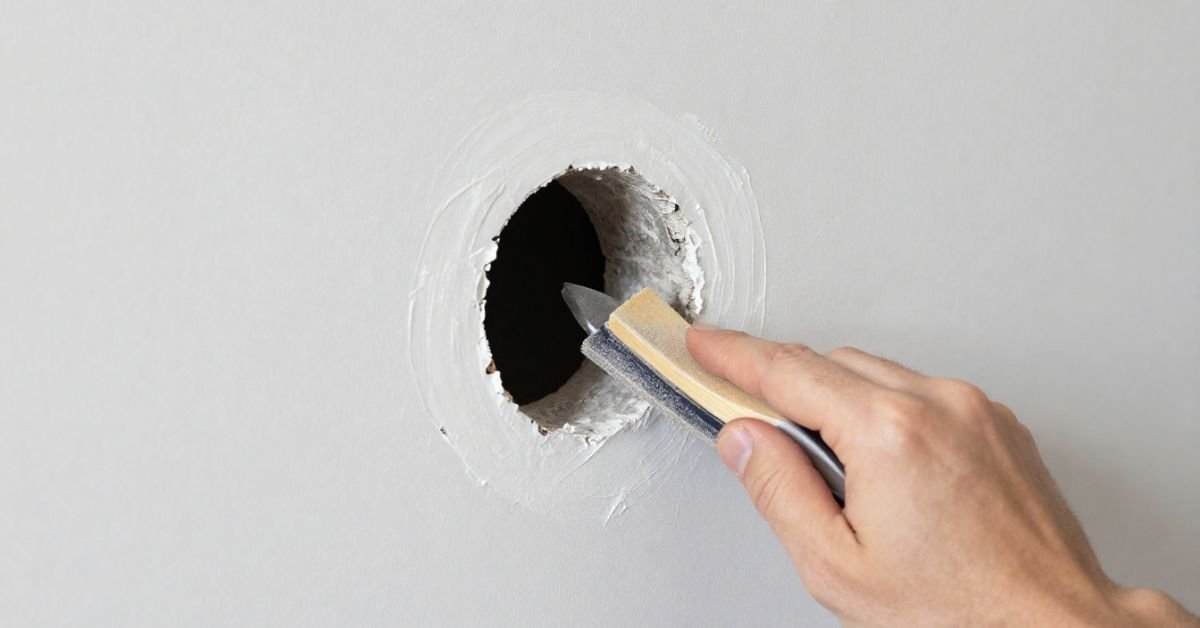
A drywall hole is a damage in a wall made of gypsum board. It can happen from accidents, nails, furniture bumps, or everyday use. These holes can be small, like dents, or large, like broken sections of the wall.
Fixing a drywall hole is not as hard as it looks. Many people think it needs a professional, but small and medium-sized holes can be repaired at home. With a few basic tools and simple steps, you can make your wall look smooth again.
In this guide, you will learn how to fix a drywall hole easily at home. It will cover simple methods that anyone can follow, even beginners. You will also understand what materials to use and how to get a clean, professional-looking finish.
What Is Drywall?
Drywall is a flat building material used to make interior walls and ceilings. It is made from gypsum and covered with paper on both sides. It is strong, smooth, and easy to install.
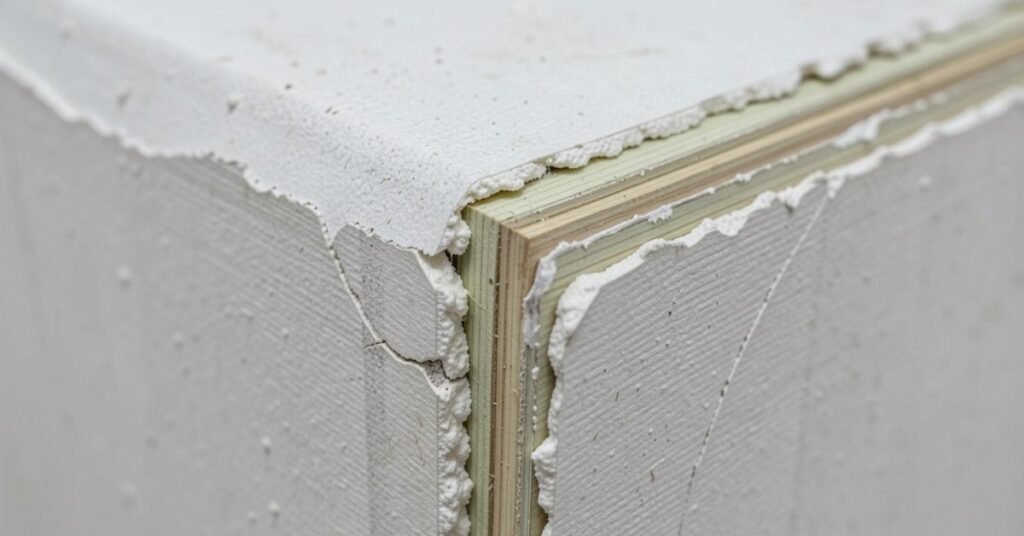
Drywall is commonly used in homes, offices, and buildings. It helps create clean walls that can be painted or decorated. It is also faster to use than traditional brick walls.
Even though drywall is strong, it can still get damaged. Holes, cracks, and dents can happen over time. That is why knowing about drywall is important for basic home repair.
Causes of Drywall Holes
Drywall holes can happen for many simple reasons. One common cause is accidental impact. This can happen when furniture, doors, or tools hit the wall.
Nails and screws can also create small holes in drywall. When pictures, shelves, or decorations are removed, they often leave marks or damage behind. Over time, these small holes can become more visible.
Water damage is another reason for drywall holes. Moisture can weaken the wall and make it break easily. Regular wear and tear can also cause cracks and holes in different areas of the wall.
Types of Wall Damage
Wall damage can appear in different forms. Some damage is very small, like tiny pinholes or light scratches. Other damage can be bigger, like deep cracks or large broken areas in the wall. Each type needs a different repair method.
Understanding the type of damage helps you choose the right repair process. Small issues can be fixed quickly, while larger damage may need extra materials and time. Below is a simple table that explains common types of wall damage.
Common Types of Wall Damage
| Type of Damage | Description | Common Cause | Difficulty to Fix | Repair Method Summary |
| Pinholes | Very small holes in the wall | Nails, pins, small screws | Easy | Fill with spackle and sand |
| Nail Holes | Small round holes from nails or screws | Hanging pictures or shelves | Easy | Fill, dry, sand, and paint |
| Hairline Cracks | Thin, shallow cracks on the surface | House settling, temperature changes | Easy to Medium | Fill with compound and sand |
| Small Holes | Slightly larger than nail holes | Minor impact or damage | Easy | Patch and smooth with filler |
| Medium Holes | Noticeable holes in the drywall | Furniture bumps, accidents | Medium | Use a patch kit and joint compound |
| Large Holes | Big broken areas in the wall | Heavy impact or water damage | Hard | Cut patch, replace section, finish |
Tools and Materials Needed
Before fixing a drywall hole, you need to gather the right tools. Having everything ready makes the repair work faster and easier. It also helps you get a clean and smooth finish.
Common tools include a putty knife, sandpaper, and a utility knife. You may also need a measuring tape and a drill for larger repairs. These tools help you cut, apply, and smooth the wall properly.
For materials, you will need drywall patch, joint compound, and drywall tape. Primer and paint are also important for finishing the wall. With these items, you can repair most types of drywall holes at home.
Safety Tips Before Repair
Before starting drywall repair, safety is very important. Always make sure the area is clean and well-lit. This helps you see the damage clearly and work safely.
Wear basic safety gear during the repair work. Gloves protect your hands from sharp edges and dust. A mask is also helpful to avoid breathing in fine dust while sanding.
Keep your tools organized before you begin. Avoid working near loose wires or unstable furniture. Taking simple safety steps can prevent accidents and make the repair process smooth.
Fixing Small Holes
Small holes in drywall are very easy to repair. These are usually nail holes or tiny dents. You do not need heavy tools for this type of damage.
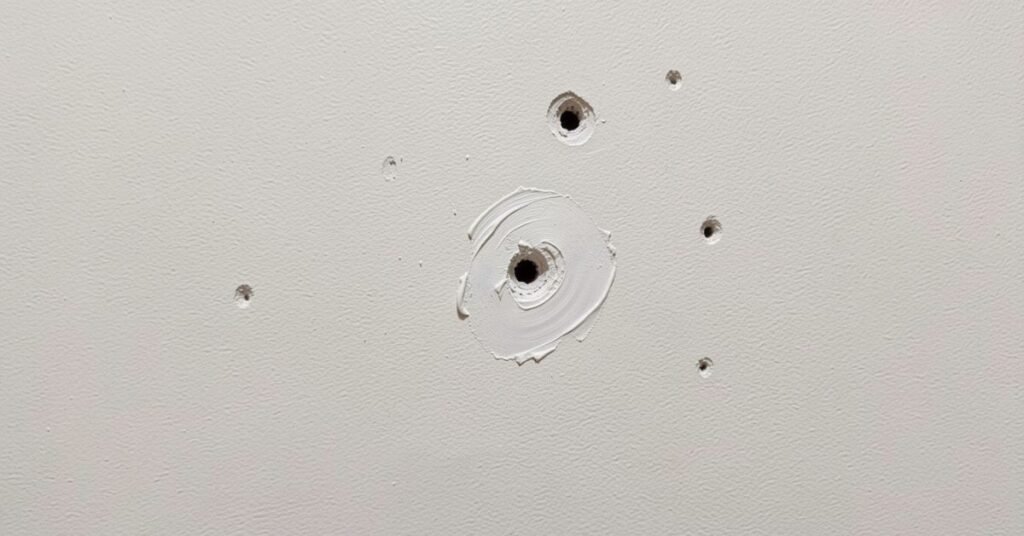
Start by cleaning the area around the hole. Apply a small amount of spackle or joint compound using a putty knife. Make sure it fills the hole and sits flat on the wall.
Let it dry properly before moving to the next step. After drying, sand the area gently until it becomes smooth. Finally, you can paint over it to match the wall color.
Fixing Medium Holes
Medium holes in drywall are larger than nail holes but not too big. These usually happen from accidents, furniture bumps, or minor wall damage. They need a simple patch for proper repair.
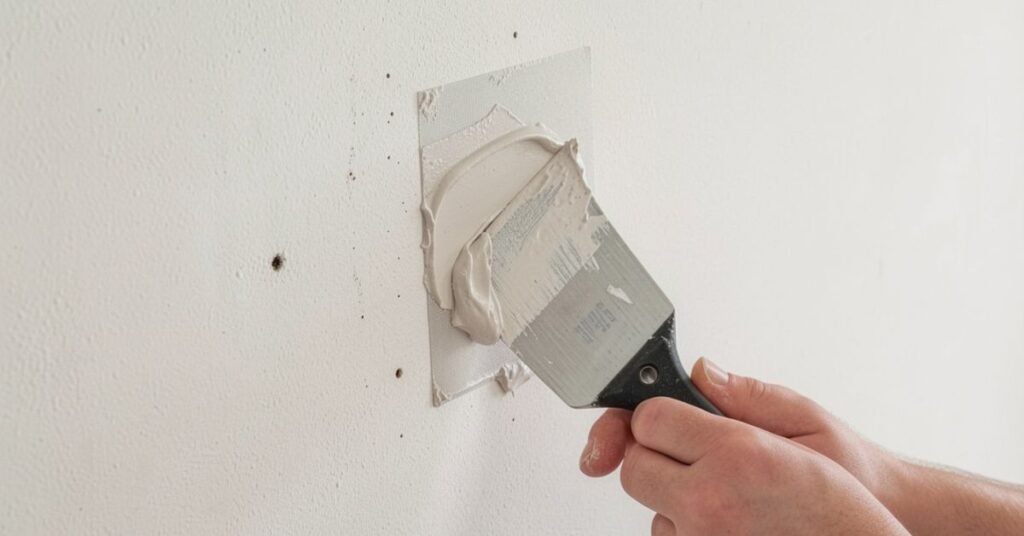
Start by cleaning the damaged area and removing loose pieces. Place a drywall patch or mesh tape over the hole. Then apply joint compound evenly with a putty knife to cover the patch.
Let the compound dry completely before sanding it. Sand the surface until it becomes smooth and level with the wall. After that, you can paint the area to match the rest of the wall.
Fixing Large Holes
Large holes in drywall need more work and care. These holes are usually caused by a strong impact or serious wall damage. You may need to replace a section of the drywall.
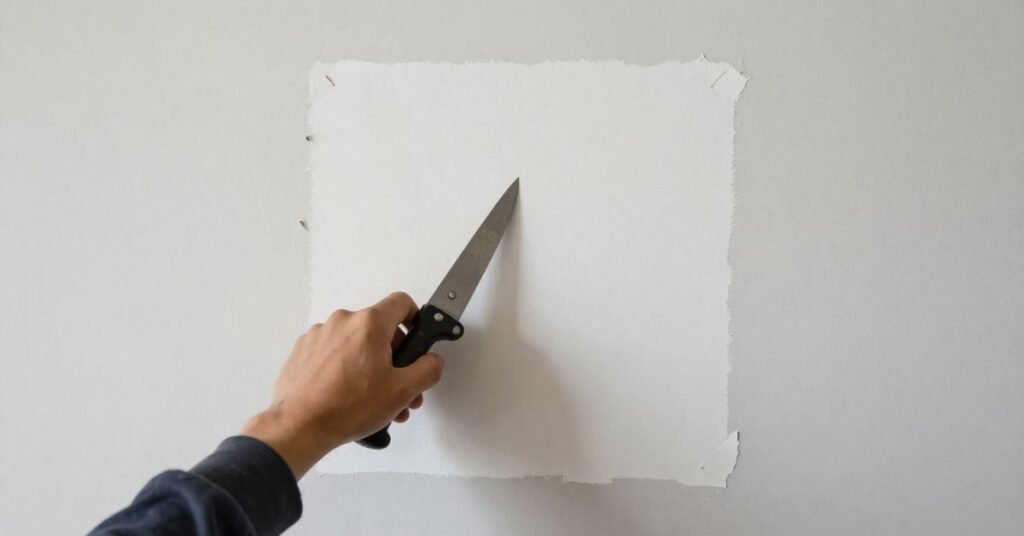
Start by cutting a clean square around the damaged area. Then install a new piece of drywall that fits the hole. Secure it properly using screws or nails on the wall studs.
After that, apply drywall tape and joint compound over the edges. Let it dry and sand it smooth for an even surface. Finally, paint the area so it blends with the rest of the wall.
Sanding the Surface
Sanding is an important step in drywall repair. It helps make the surface smooth and even. This step is done after the joint compound is fully dry.
Use fine-grit sandpaper for the best results. Gently rub the repaired area in a circular motion. Be careful not to damage the surrounding wall.
After sanding, check the surface with your hand. It should feel flat and smooth. If needed, sand again lightly for a perfect finish.
Painting and Finishing
Painting is the final step in drywall repair. It helps the repaired area blend with the rest of the wall. Make sure the surface is clean and dry before you start.
Apply a primer first for better paint coverage. Then use matching wall paint over the repaired area. Use a brush or roller for an even finish.
Let the paint dry completely before touching the wall. You may need a second coat for a perfect color match. After finishing, the wall will look smooth and like new again.
Conclusion
Fixing drywall holes is a simple home repair task. It does not always need a professional. With the right tools and steps, anyone can do it at home.
Small, medium, and large holes can all be repaired with care. The key is patience and proper finishing. When done correctly, your wall will look clean and smooth again.
FAQs
1. Can I fix a drywall hole myself?
Yes, most small and medium drywall holes can be fixed at home using simple tools and materials.
2. What is the easiest way to repair small holes?
Small holes can be filled with spackle or joint compound, then sanded and painted.
3. How long does drywall repair take?
It usually takes a few hours, but drying time for the compound and paint may take longer.
4. Do I need special tools for drywall repair?
Basic tools like a putty knife, sandpaper, and patch material are enough for most repairs.
5. Can I paint directly after repairing drywall?
No, you should apply primer first, then paint for a smooth and even finish.