
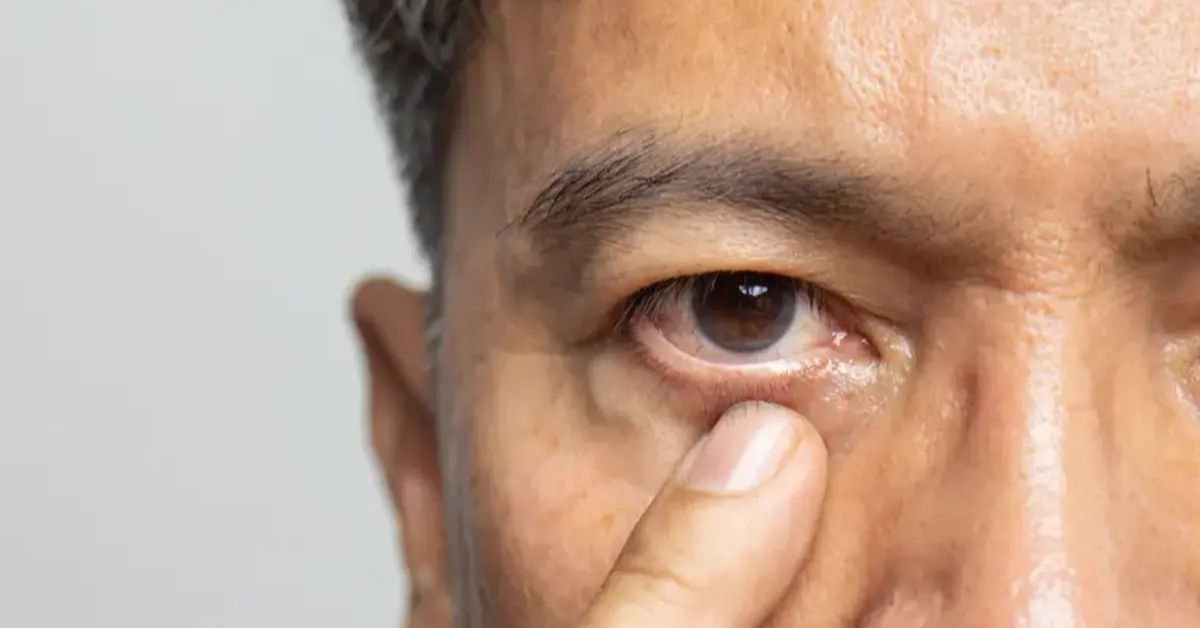
Lazy eye, also called amblyopia, is a condition where one eye does not see as clearly as the other. The brain starts to rely more on the stronger eye. Over time, the weaker eye becomes less active and loses vision strength.
Many people want to know how to fix lazy eye at home because early care can improve vision. Simple eye exercises and daily habits can help support treatment. Small efforts done regularly can make a real difference over time.
In this guide, we will look at easy step-by-step ways to manage lazy eye at home. These methods are simple and safe to follow. They can help improve eye coordination and support better focus when used consistently.
What Is Lazy Eye?
Lazy eye is a vision problem where one eye does not work as well as the other. The brain starts to depend more on the stronger eye. This makes the weaker eye lose clear vision over time.
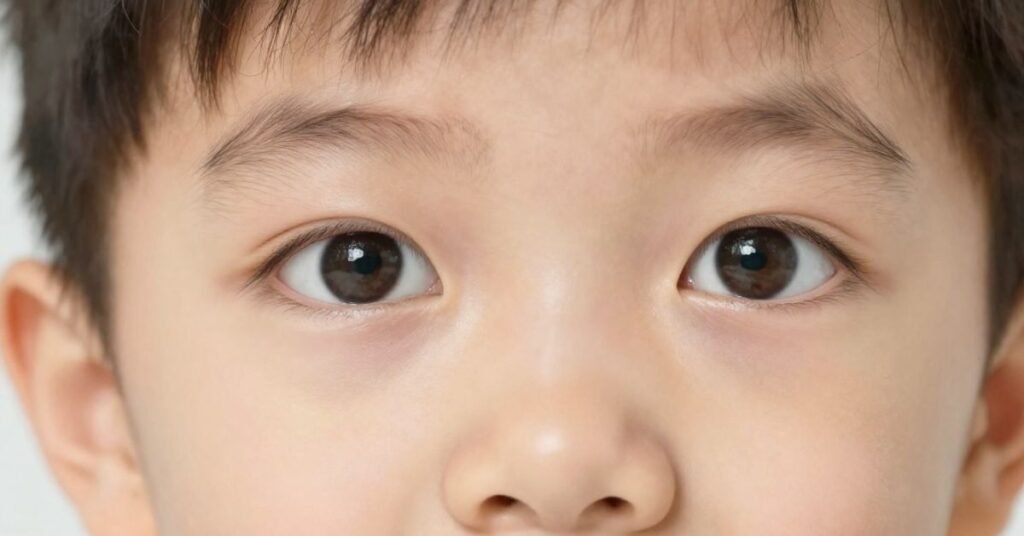
This condition usually starts in childhood. It can happen when the eyes are not aligned properly or when one eye has weaker focus. If not treated early, it may continue into adulthood.
Lazy eye is also called amblyopia. It is not always easy to notice in the beginning. Regular eye check-ups can help detect it early and improve vision.
Causes of Lazy Eye
Lazy eye happens when one eye does not develop normal vision. The brain starts to ignore the weaker eye. This affects how both eyes work together.
One common cause is a muscle imbalance in the eyes. This condition is called strabismus, where one eye turns in or out. It can confuse the brain and reduce vision in that eye.
Other causes include differences in prescription between both eyes or blockage of vision early in life. Sometimes eye injury or other eye problems can also lead to lazy eye if not treated early.
Symptoms of Lazy Eye
Lazy eye often shows signs in early childhood. One eye may look weaker than the other. The child may also have trouble focusing clearly.

A common symptom is poor depth perception. The person may struggle to judge distance or catch objects. Eyes may not work together properly.
In some cases, one eye may drift inward or outward. The person might also squint or close one eye to see better. Regular eye checks can help notice these symptoms early.
How the Brain Affects Vision
The brain and eyes work together to create clear vision. Both eyes send images to the brain. The brain then combines these images into one clear picture.
In lazy eye, the brain starts to ignore the weaker eye. It depends more on the stronger eye for vision. This reduces the use and strength of the weaker eye over time.
Because of this, the weaker eye does not develop properly. The connection between the eye and brain becomes unbalanced. Early treatment helps the brain use both eyes equally again.
Lazy Eye vs Crossed Eyes
Lazy eye and crossed eyes are not the same condition, and Lazy eye means one eye has weaker vision because the brain ignores it. Crossed eyes mean the eyes are not aligned and point in different directions.
Both conditions are connected but different. Crossed eyes can sometimes lead to lazy eye if the brain starts ignoring one eye. Early treatment is important in both cases to avoid long-term vision problems.
| Feature | Lazy Eye (Amblyopia) | Crossed Eyes (Strabismus) |
| Definition | Weak vision in one eye | Eyes are not properly aligned |
| Main Problem | The brain ignores one eye | Eye muscles are misaligned |
| Vision | One eye has reduced vision | Vision may be normal or reduced |
| Eye Position | Usually normal | One eye turns inward/outward/up/down |
| Cause Link | Often caused by other eye issues | Can lead to lazy eye if untreated |
| Detection | Hard to notice early | Usually visible in eye position |
| Treatment Focus | Improve vision in the weak eye | Straighten eye alignment |
| Risk | Permanent vision loss if untreated | Can develop into lazy eye |
Eye Exercises for Strength
Eye exercises can help improve weak eye muscles. They are simple and can be done at home. Regular practice is important for better results.
One common exercise is focusing on near and far objects. This helps the eye adjust its focus quickly. It improves coordination between both eyes.
Another useful exercise is following a moving object with the eyes. It strengthens eye movement and control. Doing these exercises daily can support better vision over time.
Eye Patching Benefits
Eye patching is a common treatment for lazy eye. It involves covering the stronger eye with a patch. This forces the weaker eye to work harder.
When the stronger eye is covered, the brain starts using the weaker eye more. This helps improve its vision strength over time. It also helps both eyes work together better.
Eye patching is most effective when done regularly. It is usually recommended for children, but can also help adults in some cases. Consistency is important for good results.
Medical Treatment Options
Lazy eye can also be treated with medical help. Doctors check the eye condition and suggest the best treatment. Early diagnosis gives better results.
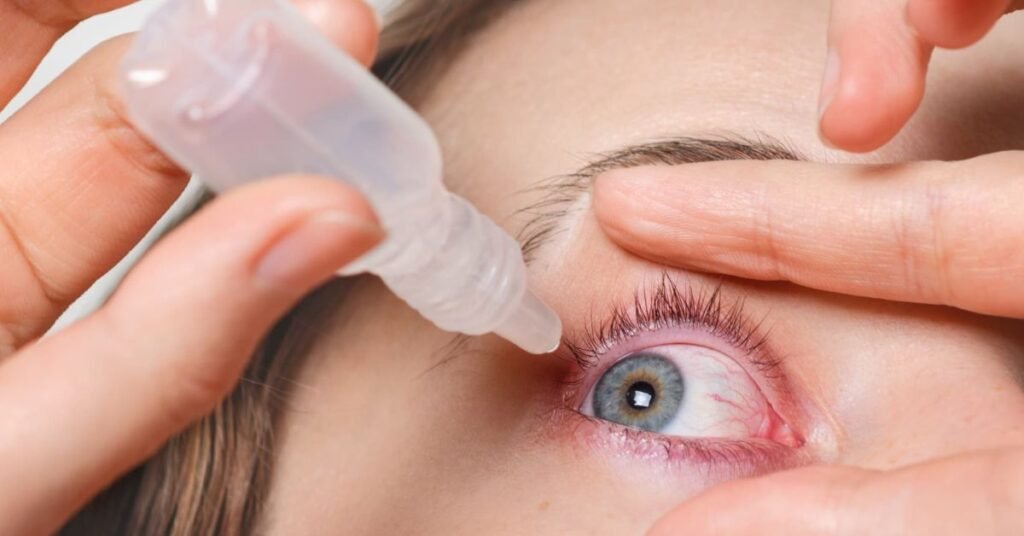
One common treatment is prescription glasses. They help correct vision problems like blurry focus or uneven eyesight. This makes both eyes work more evenly.
In some cases, doctors may recommend eye drops or special vision therapy. Surgery is needed only if there is a serious eye alignment problem. Treatment depends on the patient’s condition and age.
Daily Eye Care Tips
Taking care of your eyes every day is very important. Simple habits can help keep your vision healthy. Small steps can make a big difference over time.
Try to reduce screen time when possible. Take short breaks when using a mobile or computer. Good lighting while reading or working also helps reduce eye strain.
Eating healthy food like fruits and green vegetables supports eye health. Regular sleep and proper rest also help your eyes recover. Routine eye check-ups are important for early detection of problems.
Common Treatment Mistakes
Many people delay treatment for lazy eye. They think it will improve on its own. This delay can make the condition worse over time.
Another mistake is not following the treatment plan regularly. Skipping eye exercises or patching reduces progress. Consistency is very important for good results.
Some people also stop treatment too early. They stop when they see a small improvement. But full recovery needs time and patience under proper guidance.
Conclusion
Lazy eye is a common vision problem, but it can be improved with early care. Simple treatments like eye exercises, patching, and medical advice can help strengthen the weaker eye. The key is to notice the problem early and start treatment as soon as possible.
Good results depend on regular practice and patience. Skipping treatment or delaying care can slow down progress. With proper attention and daily care, vision can improve, and both eyes can work better together over time.
FAQs
1. Can lazy eye be fixed completely?
Yes, in many cases it can be improved, especially if treated early with proper care and exercises.
2. Is lazy eye only found in children?
No, it can also affect adults, but early childhood treatment gives better results.
3. How long does lazy eye treatment take?
It depends on the condition, but it may take weeks to months of regular treatment.
4. Can eye exercises really help lazy eye?
Yes, simple eye exercises can strengthen the weaker eye and improve coordination.
5. Is surgery always needed for lazy eye?
No, surgery is only needed in some severe cases. Most cases are treated without surgery.