
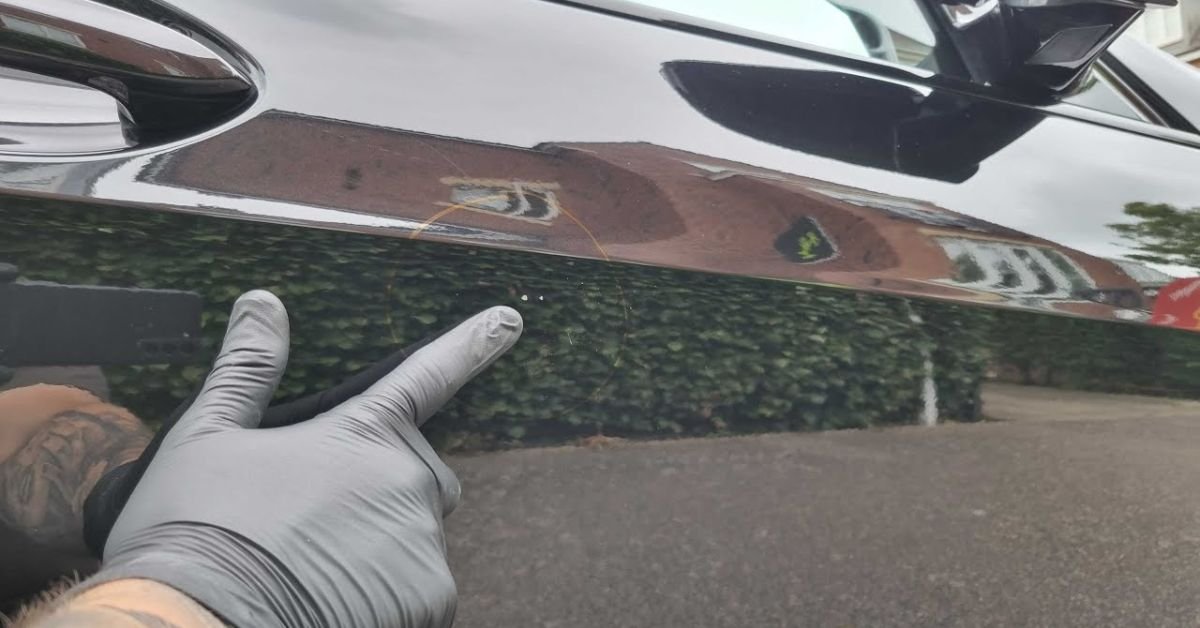
Car paint chips are small areas where the paint has been damaged or removed from the surface of a vehicle. They often happen because of road debris, small stones, or minor impacts. If left untreated, these chips can expose the metal underneath and may lead to rust over time.
Have you noticed tiny paint chips on your car and wondered if they need immediate attention? Even small chips can make a vehicle look older and less cared for. The good news is that fixing paint chips is often easier than many people think.
Learning how to fix car paint chips quickly and easily can help keep your vehicle looking its best. With the right tools and a little patience, you can repair minor damage at home. This guide will walk you through simple steps to restore your car’s appearance and protect the paint from further damage.
Damage Causes
Car paint chips happen for many simple reasons. Most of the time, they are caused by small stones, gravel, or road debris hitting the car while driving. High-speed driving on highways can make this problem worse.
Another common cause is bad weather. Heavy rain, hail, and strong sunlight can slowly damage the paint surface. Over time, this weakens the outer layer of paint.
Poor parking habits can also cause paint chips. Tight parking spaces, scratches from doors, or contact with other vehicles can easily damage the paint. Even small impacts can leave visible marks.
Warning Signs
One of the first warning signs is small dots or marks on the car surface. These spots may look minor, but they show that the paint layer is damaged. They often appear after driving on rough or busy roads.
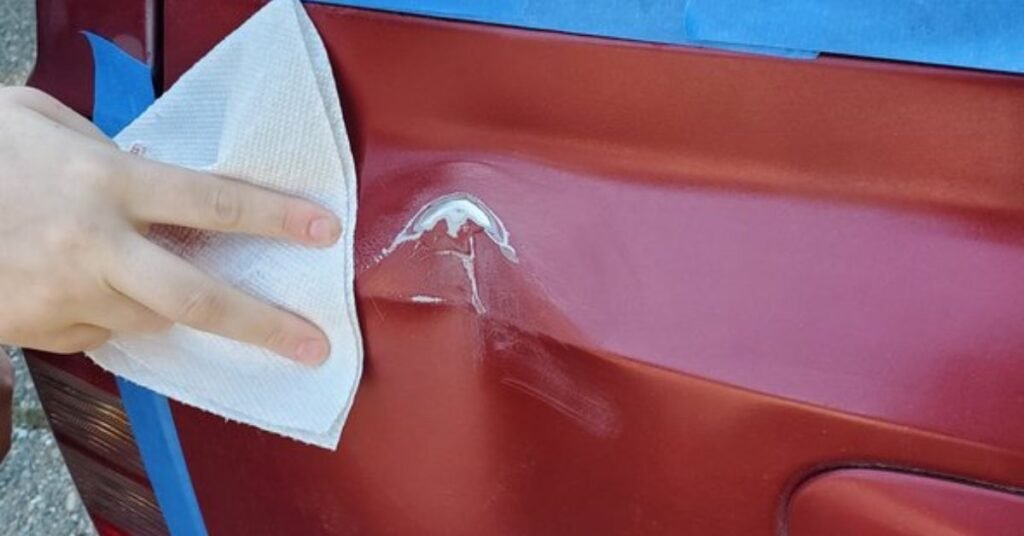
Another sign is when the paint starts to look dull or rough in certain areas. You may also notice tiny scratches or exposed metal under the paint. This means the damage is getting worse and needs attention.
Rust is a serious warning sign. If you see reddish-brown spots forming on the chipped area, it means moisture has reached the metal. This should be fixed quickly to avoid further damage.
Preparation
Before fixing car paint chips, it is important to clean the damaged area. Wash the car properly with water and mild soap. Make sure there is no dust, oil, or dirt on the surface.
Next, dry the area completely using a clean microfiber cloth. The surface must be fully dry before starting the repair. Any moisture can affect the paint and reduce the quality of the fix.
You should also work in a safe and shaded place. Avoid direct sunlight or dusty environments. This helps the paint stick better and gives a smooth finish.
Tools Needed
To fix car paint chips, you need some basic tools. These tools are easy to find and not very expensive. Having the right items makes the repair smooth and effective.
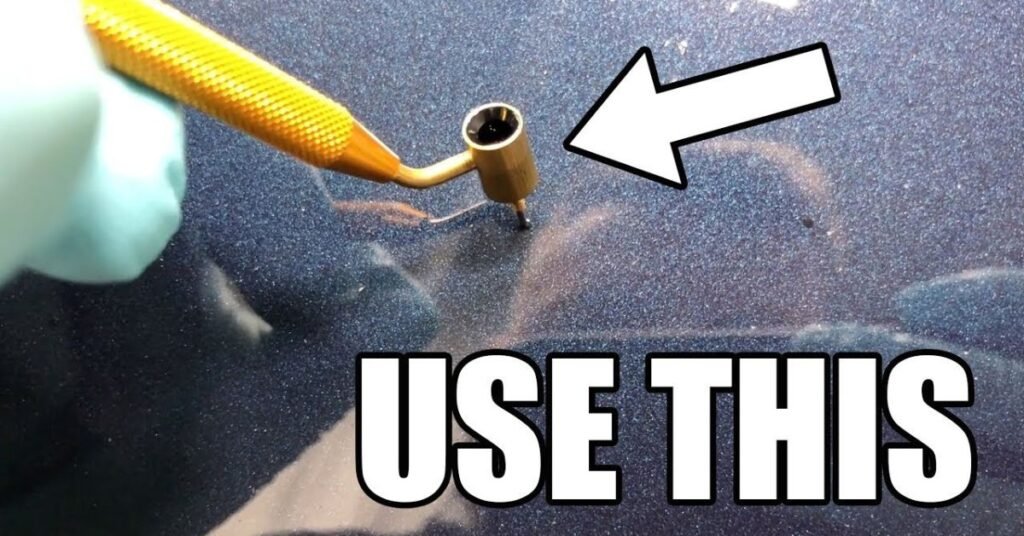
Here are the main tools you will need:
- Touch-up paint (matching car color)
- Primer for better paint grip
- Clear coat for shine and protection
- Fine sandpaper
- Microfiber cloth
- Masking tape
These tools help you clean, repair, and finish the paint chip properly. Using the correct materials gives your car a clean and professional look.
How to Fix Car Paint Chips
Start by gently sanding the chipped area with fine sandpaper. This helps remove loose paint and smooth the surface. After sanding, clean the area again to remove dust.
Next, apply a small amount of primer to the chipped spot. Let it dry properly, then add touch-up paint in thin layers. Finish with a clear coat to protect the paint and give it a smooth shine.
Application
Apply the primer first on the cleaned and sanded area. Use a small brush or applicator for better control. Make sure the layer is thin and even.
After the primer dries, apply the touch-up paint carefully. Use light strokes and avoid putting too much paint at once. It is better to apply two or three thin layers instead of one thick layer.
Finally, add a clear coat over the painted area. This gives protection and a smooth finish. Let it dry completely for a strong and long-lasting repair.
Drying Process
After applying paint and clear coat, let the area dry naturally. Do not touch or wash the car during this time. Proper drying helps the paint stick well and last longer.

Follow these simple steps for best results:
- Keep the car in a shaded and clean place
- Avoid direct sunlight or rain
- Do not apply pressure on the repaired area
- Wait at least a few hours before light use
If the weather is cool or humid, drying may take longer. Be patient for a smooth and strong finish.
Repair Table
The repair table helps you understand each step of fixing car paint chips in a simple way. It shows what to do, what tools are used, and why each step is important. This makes the whole process easy to follow even for beginners.
Below is a simple repair table for better understanding:
| Step No. | Process | Tools Used | Purpose |
| 1 | Cleaning | Soap, Water, Cloth | Remove dirt and dust |
| 2 | Sanding | Fine Sandpaper | Smooth the chipped area |
| 3 | Priming | Primer, Brush | Help paint stick properly |
| 4 | Painting | Touch-up Paint | Cover the damaged area |
| 5 | Coating | Clear Coat | Add shine and protection |
| 6 | Drying | None | Let paint set and harden |
Prevention Tips
To avoid car paint chips, always drive carefully on rough roads. Keep a safe distance from other vehicles, especially trucks. This helps reduce damage from flying stones and debris.
Regular washing and waxing can also protect your car paint. Wax creates a protective layer that reduces the impact of small scratches and chips. It also keeps the paint shiny and strong.
Try to park your car in safe and covered areas. Avoid tight spaces where doors can hit your car. Good parking habits can greatly reduce the chances of paint damage.
Conclusion
Fixing car paint chips is not very difficult. With the right tools and simple steps, anyone can do it at home. It helps improve the look of the car and prevents further damage.
Taking quick action is always better. Small chips can turn into rust if ignored. By repairing them early, you can save money and keep your car in good condition for a long time.
FAQs
1. Can I fix car paint chips at home?
Yes, you can easily fix small paint chips at home using touch-up paint and basic tools.
2. How long does paint chip repair take?
It usually takes a few hours, but full drying may take up to 24 hours.
3. Do paint chips cause rust?
Yes, if left untreated, exposed metal can start to rust over time.
4. What is the best tool for paint chip repair?
Touch-up paint, primer, and clear coat are the most important tools.
5. Can I wash my car after repair?
Wait at least 24 hours before washing to let the paint fully set.