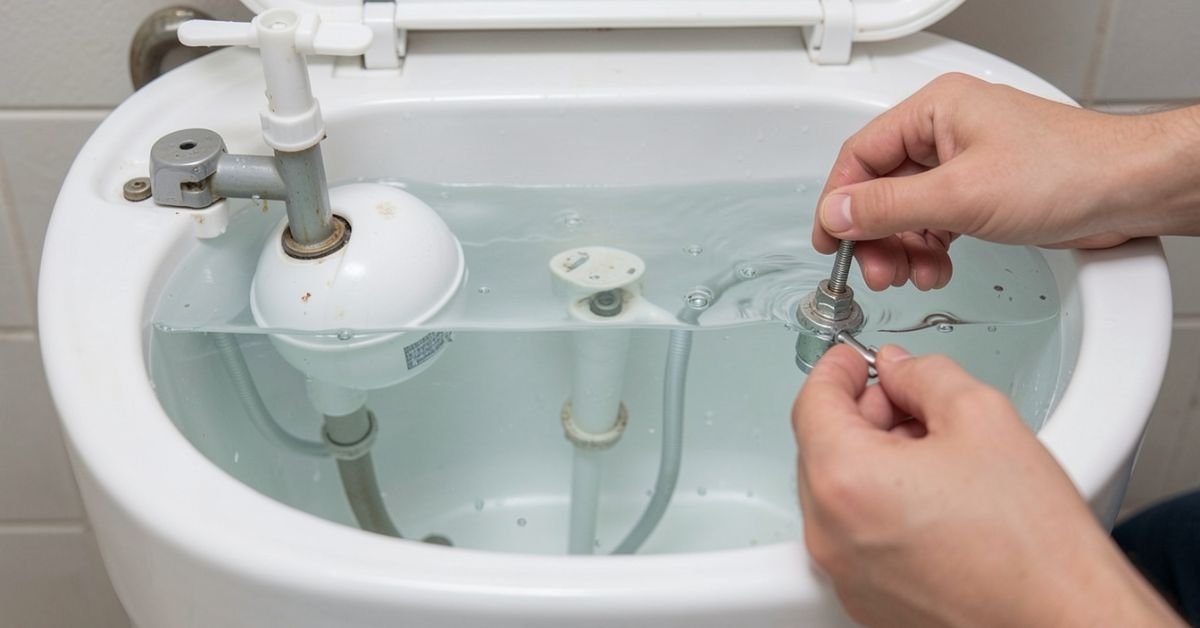
A running toilet is a common problem where water keeps flowing inside the tank even when it is not in use. It usually makes a constant sound and wastes a lot of water. This happens due to small issues like a faulty flapper, float, or valve inside the tank. Even though it looks serious, it is often easy to fix.
This problem can increase your water bill if ignored for too long. It can also be annoying to hear the nonstop running sound. The good news is that you do not always need a plumber. With a few simple steps, you can fix it yourself at home.
In this guide, you will learn easy and quick ways to fix a running toilet. These methods are simple and require basic tools. By following these tips, you can stop water waste and keep your toilet working properly.
Understanding Why a Toilet Keeps Running
A toilet keeps running when water does not stop flowing inside the tank. This usually happens when some parts inside are not working properly. The toilet tank has simple parts that control water flow. If one part fails, the water keeps moving.
One common reason is a worn-out flapper. The flapper is a rubber piece that seals the tank after flushing. If it does not close tightly, water leaks into the bowl. This makes the tank refill again and again.
Another reason can be the float or fill valve. If the float is set too high, the tank overfills. Then extra water goes into the overflow tube. This keeps the toilet running and wasting water continuously.
Common Causes of a Running Toilet
A running toilet can happen due to a few simple problems inside the tank. The most common cause is a faulty flapper that does not seal properly. When it stays open or worn out, water keeps leaking into the bowl. This makes the tank refill again and again.
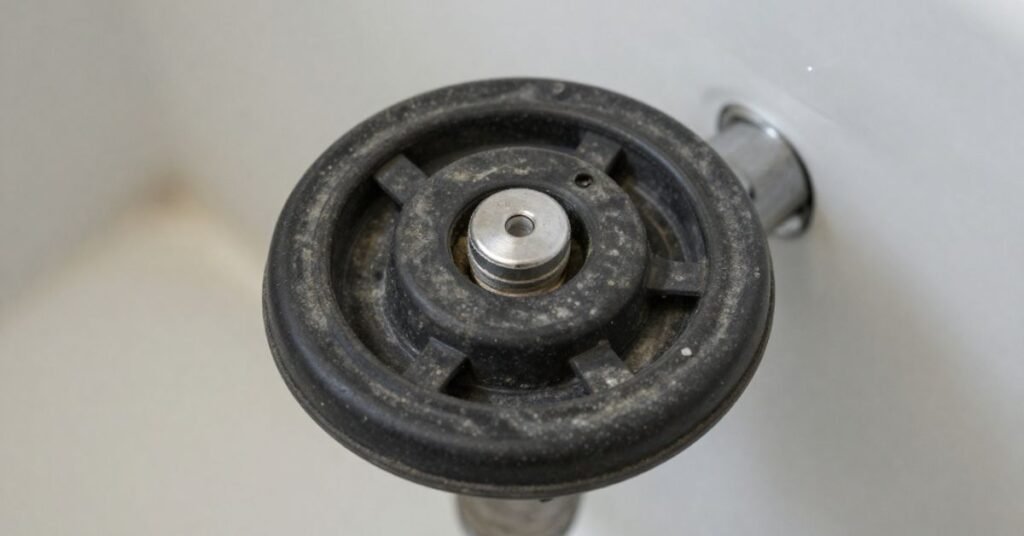
Another cause can be an issue with the float or fill valve. If the float is set too high, the tank fills with too much water. The extra water then flows into the overflow tube. Loose chains or damaged parts can also cause the toilet to keep running continuously.
Tools You Need for Quick Fix
Fixing a running toilet does not require many tools. Most problems can be solved with simple items you may already have at home. Using the right tools makes the job faster and easier. It also helps you avoid damaging any parts.
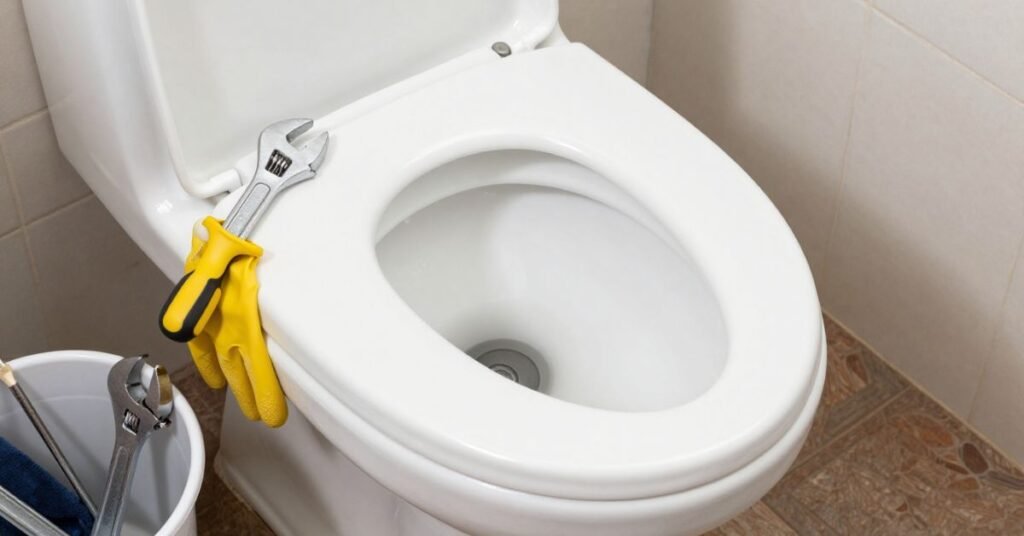
Here are some basic tools you may need:
- Adjustable wrench
- Screwdriver
- Rubber gloves
- Small bucket or towel
- Replacement flapper or valve (if needed)
These tools are easy to use and help you fix the problem quickly. With a little effort, you can stop the running toilet without calling a plumber.
Check the Toilet Flapper First
The flapper is one of the most common causes of a running toilet. It is a rubber part inside the tank that controls water flow. After flushing, it should close tightly to stop water from leaking. If it does not seal properly, the toilet will keep running.
Start by opening the tank lid and looking at the flapper. Check if it looks worn out, cracked, or dirty. Sometimes, it may not sit correctly on the valve seat. You can press it down gently to see if the running stops.
If the flapper is damaged, it is best to replace it. It is cheap and easy to install without any special skills. Make sure the chain is not too tight or too loose. A proper flapper setup can quickly fix the running toilet problem.
Adjust the Float for Proper Water Level
The float controls how much water fills in the toilet tank. If it is set too high, the tank will overfill. This causes water to flow into the overflow tube and keeps the toilet running. Adjusting the float can help stop this problem.
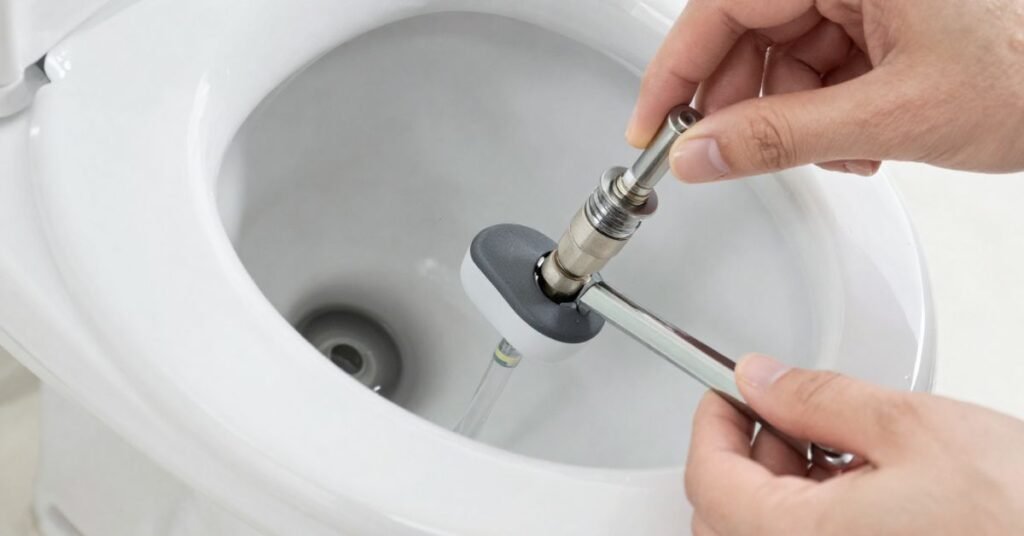
Open the tank and find the float near the fill valve. Gently lower it so the water stops below the overflow tube. You can turn a screw or bend the arm, depending on the type. This simple adjustment can fix the running issue and save water.
Fix or Replace the Fill Valve
The fill valve controls how water enters the toilet tank. If it is not working properly, the tank may keep filling all the time. This can cause a constant running sound. Fixing the fill valve can help stop the problem quickly.
First, check if the fill valve is dirty or blocked. Sometimes, cleaning it can solve the issue. Turn off the water supply and remove any debris inside. Then turn the water back on and see if the problem is fixed.
If the valve is damaged, it is better to replace it. A new fill valve is not expensive and easy to install. Follow simple instructions and fit it properly. This will help your toilet work smoothly again.
Step-by-Step Guide to Fix a Running Toilet at Home Fast
Fixing a running toilet becomes easy when you follow each step carefully. You should work slowly and check every part inside the tank. Most problems come from small issues like flapper, float, or fill valve. This table will help you understand the full process in detail.
| Step | Action | Detailed Explanation | What You Should Check | Result |
| 1 | Turn off water supply | Locate the shut-off valve near the toilet and turn it clockwise to stop water flow | Make sure water stops entering the tank | Prevents overflow during repair |
| 2 | Remove tank lid | Carefully lift the toilet tank lid and place it on a safe surface | Handle it gently to avoid breaking | Gives full access to inside parts |
| 3 | Inspect flapper | Check the rubber flapper at the bottom of the tank | Look for cracks, dirt, or poor sealing | Identifies water leakage cause |
| 4 | Clean flapper area | Remove dirt or mineral buildup around flapper seat | Ensure smooth surface for sealing | Improves proper water stop |
| 5 | Adjust or fix chain | Check chain connected to flapper | Ensure it is not too tight or too loose | Helps flapper close properly |
| 6 | Check float level | Observe water level in tank and float position | Water should be below overflow tube | Prevents continuous filling |
| 7 | Adjust float | Move float slightly down if water is too high | Use screw or gently bend arm depending on type | Controls correct water level |
| 8 | Inspect fill valve | Check fill valve for blockage or damage | Listen for continuous water flow | Ensures proper water control |
| 9 | Clean or replace fill valve | Clean dirt or replace if damaged | Make sure water flow stops correctly | Fixes filling issues |
| 10 | Turn water back on | Slowly open shut-off valve again | Watch water filling process | Restores normal operation |
| 11 | Test flush | Flush toilet and observe behavior | Check if water stops after refill | Confirms problem is fixed |
| 12 | Final check | Listen for any running sound after repair | Ensure no leakage or refill issue | Ensures long-term fix |
Following these steps carefully can fix most running toilet problems at home. It saves water, money, and avoids unnecessary plumbing costs.
Simple Tips to Save Water and Money
Saving water is very important for every home. A small leak or running toilet can waste a lot of water every day. Fixing problems quickly helps reduce your water bill. It also protects the environment by saving clean water.
You can follow some easy tips to save water:
- Fix leaks as soon as possible
- Do not ignore a running toilet
- Use water-saving toilet parts
- Check your toilet regularly
- Avoid unnecessary water use
These simple habits can make a big difference. They help you save money and keep your home water-efficient.
When You Should Call a Plumber
Sometimes a running toilet cannot be fixed with simple steps. If you have already checked the flapper, float, and fill valve but the problem is still there, it may be more serious. In such cases, calling a plumber is the best option. They have the right tools and experience to handle difficult issues.
You should also call a plumber if you see constant leaking or broken parts inside the tank. If water keeps running even after replacement of parts, do not delay. A professional can quickly find the exact problem and fix it properly. This helps prevent water waste and further damage.
Conclusion
A running toilet is a common problem, but it is easy to fix in most cases. Simple issues like a bad flapper, wrong float level, or dirty valve are often the main cause. With basic tools and a little effort, you can solve it at home without stress.
Regular checking and quick repair can save a lot of water and money. It also keeps your bathroom working properly. If the problem is still there after trying all steps, calling a plumber is a smart choice. With proper care, you can avoid this issue in the future.
FAQs
1. Why does my toilet keep running?
It usually happens due to a faulty flapper, wrong float level, or a damaged fill valve.
2. Can I fix a running toilet myself?
Yes, most running toilet problems can be fixed at home with simple tools and basic steps.
3. How much water does a running toilet waste?
A running toilet can waste a large amount of water every day, increasing your water bill.
4. Which part causes most running toilet problems?
The flapper is the most common part that causes a toilet to keep running.
5. When should I call a plumber?
Call a plumber if the problem continues after checking all parts or if parts are damaged.
No Responses