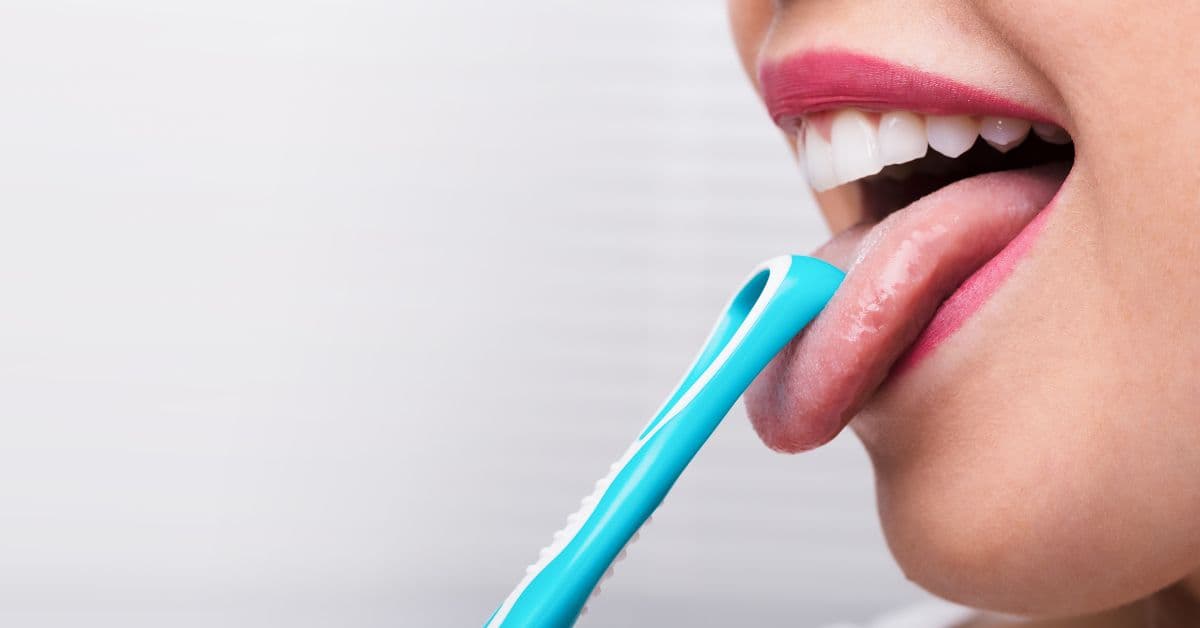

Cleaning your tongue is an important part of daily oral care. Your tongue can collect bacteria, food particles, and dead cells throughout the day. If it is not cleaned, it may cause bad breath and affect your oral health. Learning how to clean your tongue is simple and only takes a few minutes.
Many people brush their teeth every day but forget about their tongue. This small step can make a big difference. A clean tongue helps your mouth feel fresh and may improve your sense of taste. Adding tongue cleaning to your daily routine is an easy way to keep your mouth healthier.
In this guide, you will learn how to clean your tongue step by step. You will also discover the best tools to use, common mistakes to avoid, and helpful tips for keeping your tongue clean every day.
Benefits
Cleaning your tongue helps remove bacteria, food particles, and dead cells. This keeps your mouth cleaner every day. It is a simple habit that supports good oral hygiene.
A clean tongue can reduce bad breath and leave your mouth feeling fresh. It may also improve your sense of taste. Many people notice that food tastes better after regular tongue cleaning.
Cleaning your tongue also supports healthy teeth and gums. It lowers the buildup of harmful bacteria in your mouth. Spending just a few minutes each day can make a big difference to your overall oral health.
How to Clean Your Tongue
Cleaning your tongue is quick and easy. You do not need special skills to do it. With the right method, you can remove bacteria and keep your mouth fresh.
Before you begin, make sure you have the right tools and follow each step carefully. Be gentle while cleaning your tongue to avoid discomfort. A few minutes each day is enough for good results.
The simple steps below will help you clean your tongue the right way. Follow them in order to make tongue cleaning a healthy part of your daily routine.
Gather Tools
Start by collecting everything you need before cleaning your tongue. A tongue scraper is the best tool for the job. If you do not have one, you can use a soft-bristled toothbrush. Keep a glass of clean water nearby for rinsing.
Make sure your tools are clean before you use them. You can also use toothpaste if you prefer, but it is not required. Having everything ready makes the process quick, easy, and more effective.
Wet Tongue
Before you start cleaning, rinse your mouth with clean water. Then stick out your tongue and gently wet it with water. A wet tongue is easier to clean and feels more comfortable during the process.
If you are using a tongue scraper or a toothbrush, you can also rinse it before use. This helps it glide more smoothly over your tongue. Avoid using very hot water, as it may cause discomfort.
Scrape Gently
Place the tongue scraper at the back of your tongue as far as feels comfortable. Gently pull it forward in one smooth motion. Do not press too hard, as this may irritate your tongue. Rinse the scraper after each pass.
Repeat the process a few times until your tongue looks clean. If you are using a soft toothbrush, brush your tongue with gentle strokes instead. Stop if you feel pain or discomfort. Gentle cleaning is the safest and most effective method.
Rinse Mouth
After cleaning your tongue, rinse your mouth well with clean water. This helps wash away the bacteria and loose debris. You can also use an alcohol-free mouthwash for extra freshness if you like.
Take a moment to check that your tongue feels clean and your mouth feels fresh. Rinse your tongue scraper or toothbrush after use. Keeping your cleaning tools clean helps prevent bacteria from building up.
Repeat Daily
Clean your tongue every day to keep your mouth fresh and healthy. The best time is after brushing your teeth in the morning or before bed. Making it part of your daily routine helps you stay consistent.
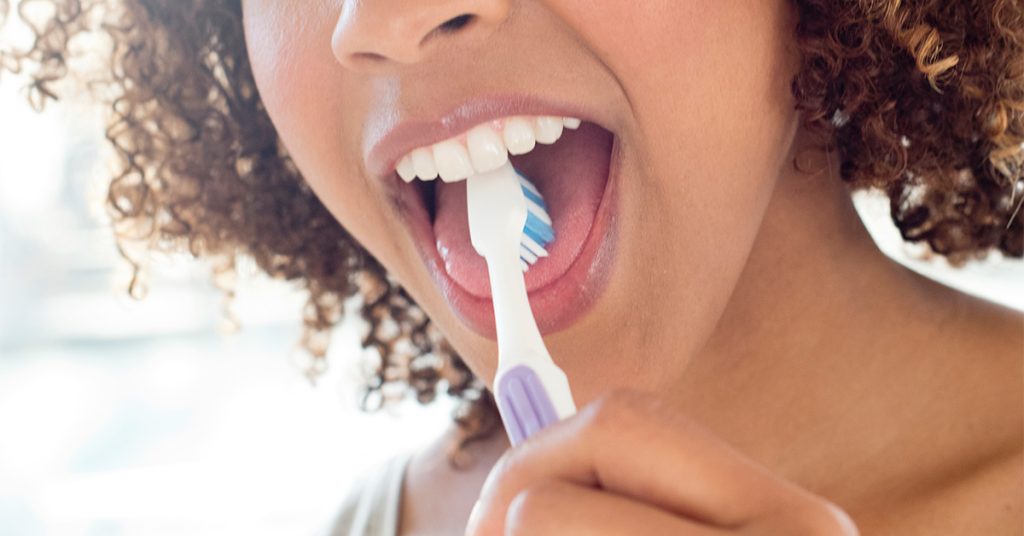
Daily tongue cleaning reduces the buildup of bacteria over time. It can also help prevent bad breath and support better oral hygiene. Just a few minutes each day can make a noticeable difference.
Comparison Table
Different tools can be used to clean your tongue. Each one has its own benefits. Some are made only for tongue cleaning, while others can do more than one job. Choose the option that feels comfortable and fits your daily routine.
The table below compares the most common tongue-cleaning tools. It will help you understand their features and decide which one is best for your needs.
| Tool | Best For | Effectiveness | Comfort | Ease of Use | Cost | Cleaning Required |
| Tongue Scraper | Daily tongue cleaning | Excellent | High | Very Easy | Low | Rinse after each use |
| Soft Toothbrush | General oral care | Good | High | Very Easy | Low | Rinse after each use |
| Silicone Tongue Cleaner | Sensitive tongues | Very Good | Very High | Easy | Medium | Wash after each use |
| Copper Tongue Scraper | Long-term use | Excellent | High | Easy | Medium | Wash and dry after use |
| Stainless Steel Tongue Scraper | Durable daily use | Excellent | High | Easy | Medium | Wash and dry after use |
| Disposable Tongue Cleaner | Travel and emergencies | Good | Medium | Very Easy | Medium | Dispose after use |
| Electric Toothbrush (Tongue Mode) | Multi-purpose cleaning | Good | High | Easy | High | Clean brush head regularly |
Common Mistakes
Many people press too hard while cleaning their tongue. This can cause pain or irritation. Always use gentle pressure and let the tool do the work. Cleaning gently is safer and more effective.
Another common mistake is cleaning only the front of the tongue. Most bacteria collect toward the back. Clean as far back as you can without triggering your gag reflex. Rinse your tool after each pass to remove debris.
Some people clean their tongue only once in a while or skip it completely. This allows bacteria to build up again. Make tongue cleaning part of your daily routine. Also, remember to wash your tongue scraper or toothbrush after every use.
Extra Tips
Small daily habits can help keep your tongue clean and your mouth fresh. Drink plenty of water and brush your teeth twice a day. Clean your tongue at the same time each day to make it part of your routine.
You can also improve your oral hygiene by following these simple tips. They are easy to remember and take only a few minutes.
- Use a clean tongue scraper or a soft toothbrush.
- Rinse your mouth after meals when possible.
- Replace your toothbrush every 3 to 4 months.
- Avoid smoking and limit sugary foods.
- Visit your dentist regularly for checkups.
- Stop cleaning if your tongue becomes sore or starts bleeding.
Conclusion
Cleaning your tongue is a simple habit that can improve your oral health. It helps remove bacteria, freshens your breath, and keeps your mouth feeling clean. You only need a few minutes each day to see the benefits.
Follow the right steps and clean your tongue gently every day. Use clean tools and avoid common mistakes. With a regular routine, you can enjoy a healthier mouth and a more confident smile.
FAQs
1. How often should I clean my tongue?
You should clean your tongue once a day. Doing it after brushing your teeth is a good habit.
2. Is a tongue scraper better than a toothbrush?
A tongue scraper is made to remove bacteria and debris more effectively. A soft toothbrush is also a good option if you do not have a scraper.
3. Can cleaning my tongue help with bad breath?
Yes. Cleaning your tongue removes bacteria that often cause bad breath. Regular cleaning helps keep your breath fresh.
4. Should I clean my tongue if it looks normal?
Yes. Even a healthy-looking tongue can collect bacteria and food particles. Daily cleaning helps maintain good oral hygiene.
5. Can I clean my tongue too hard?
Yes. Scraping too hard can irritate your tongue and cause discomfort. Always use gentle pressure while cleaning.