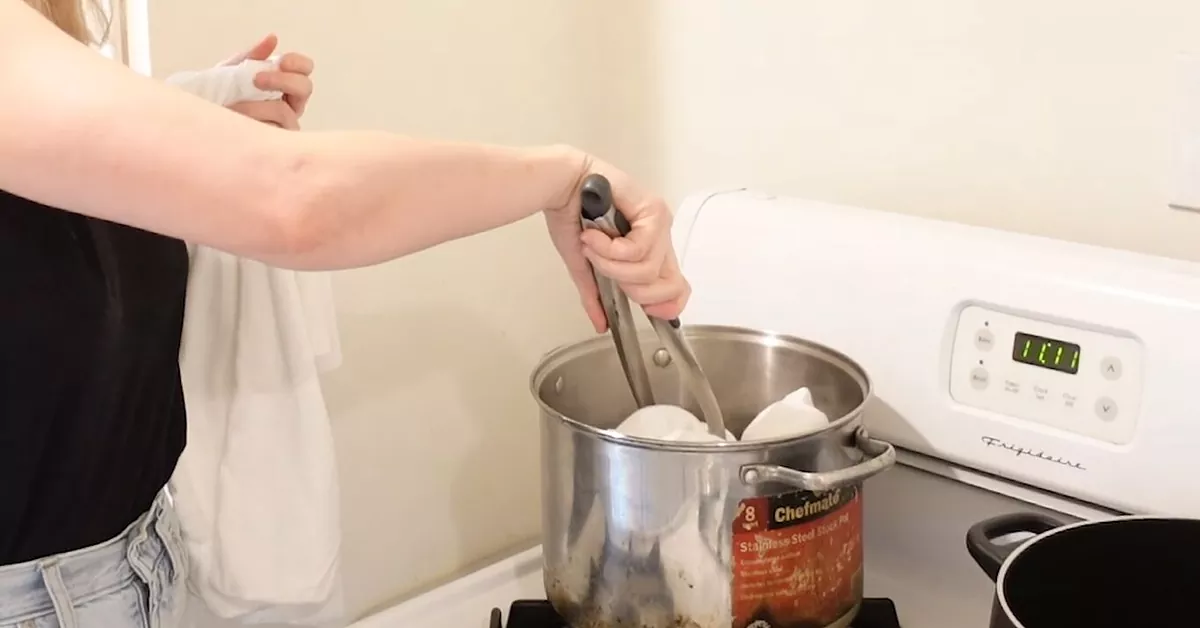

Dyeing clothes is a simple way to change their color. It can make old clothes look fresh again. Many people dye faded or stained clothes instead of throwing them away. When you use the right method, you can get bright and even color without damaging the fabric.
Want to give your favorite shirt a new look? You do not need to buy new clothes. With a few basic supplies and a little care, you can dye clothes at home. It is an easy and fun project that also helps you save money and reduce waste.
In this guide, you will learn how to dye clothes step by step. You will discover which fabrics work best, what supplies you need, and how to avoid common mistakes. By the end, you will have the confidence to dye your clothes safely and get beautiful, long-lasting results.
Fabric Types
Not all fabrics take dye in the same way. Natural fabrics usually give the best results. Cotton, linen, silk, and wool absorb dye well. They often produce bright and even colors. These fabrics are the best choice if you are dyeing clothes for the first time.
Some synthetic fabrics are harder to dye. Polyester, acrylic, and nylon may not absorb regular fabric dye. They often need special dyes and higher heat. Always read the clothing label before you begin. This helps you choose the right dye for the fabric.
Blended fabrics can give mixed results. A cotton and polyester blend may dye unevenly because each fiber reacts differently. Testing a small hidden area is a smart idea. Knowing your fabric type is an important step in learning how to dye clothes successfully.
Required Supplies
Before you start, gather all the supplies you need. This makes the process easier and cleaner. You will need fabric dye, a large bucket or container, warm water, rubber gloves, and a stirring spoon or stick. Keep old towels nearby to catch spills.
Choose a dye that matches your fabric type. Read the instructions on the dye package before using it. You may also need salt or white vinegar, depending on the dye you choose. A measuring cup and mild detergent are useful for mixing and washing the fabric after dyeing.
Wear old clothes or an apron to protect yourself from stains. Cover your work surface with plastic or newspaper. Keep paper towels nearby for quick cleanup. Having the right supplies ready will help you get smooth and even results when learning how to dye clothes.
Color Selection
Choosing the right color is an important step. Think about the look you want. Dark colors can easily cover light fabrics. Light colors work best on white or very pale clothes. The original fabric color will affect the final result.
Always match the dye to the fabric type. Some dyes are made for natural fabrics. Others are designed for synthetic materials. Read the label before you buy the dye. This helps you choose the best product for your clothing.
If you are not sure about a color, test it on a small piece of fabric first. The color may look different after the fabric dries. It is also a good idea to check the color chart on the dye package. Careful color selection will give you better results when learning how to dye clothes.
Preparation Tips
Good preparation helps you get the best results. Start by washing the clothes to remove dirt, oil, and fabric softener. Do not use bleach unless the fabric instructions allow it. Clean fabric absorbs dye more evenly.
Protect your work area before you begin. Cover the table or floor with plastic sheets or old newspapers. Wear rubber gloves and old clothes to avoid stains. Keep all your supplies within easy reach so you do not have to stop during the process.
Read the dye instructions carefully before mixing anything. Check the fabric label to make sure the dye is suitable. Fill your container with the correct amount of warm water. Taking a few minutes to prepare will make how to dye clothes easier, cleaner, and more successful.
How to Dye Clothes
Dyeing clothes is a simple process when you follow the right steps. Each step helps the fabric absorb color evenly. Take your time and do not rush. Careful work gives the best results and helps protect the fabric.
Before you begin, make sure you have prepared your clothes, dye, and workspace. Read the instructions on the dye package. Different brands may have different directions. Following them will help you get a bright and long-lasting color.
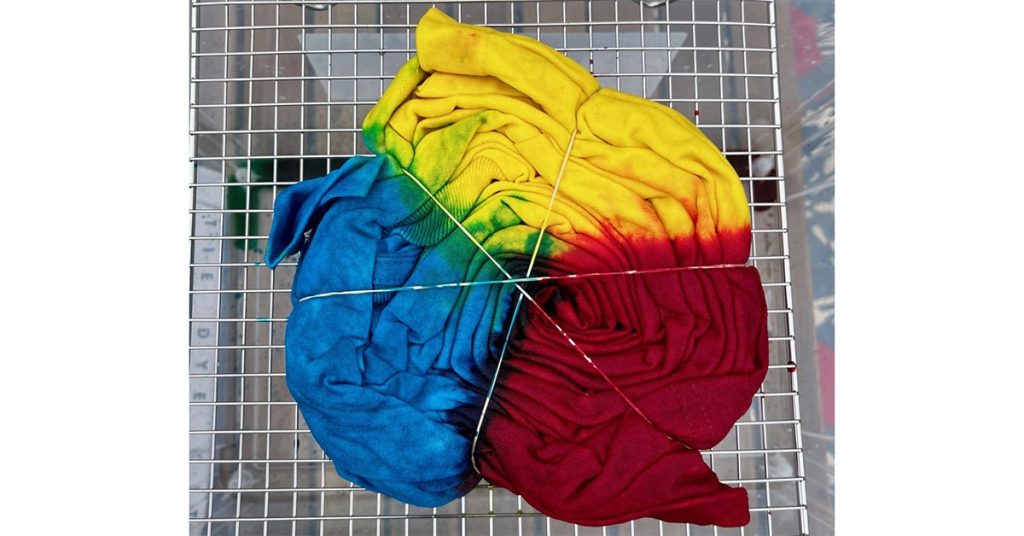
The step-by-step guide below explains the complete process. From washing the fabric to setting the color, each step is easy to follow. These simple instructions will help you dye your clothes at home without damaging the fabric.
Wash Fabric
Start by washing the clothing with a mild detergent. This removes dirt, oil, and dust from the fabric. Clean fabric absorbs dye much better. Do not use fabric softener because it can block the dye.
Leave the clothing slightly damp after washing. Damp fabric takes in color more evenly than completely dry fabric. Check the clothing label to make sure it is safe to dye before moving to the next step.
Protect Workspace
Cover your work area with plastic sheets or old newspapers. Fabric dye can stain tables, floors, and countertops. A protected workspace makes cleanup much easier.
Wear rubber gloves and old clothes before handling the dye. Keep paper towels and a bucket of clean water nearby. This helps you clean small spills quickly and safely.
Mix Dye
Fill a large bucket or container with warm water. Add the fabric dye according to the instructions on the package. Some dyes also require salt or white vinegar for better results.
Stir the mixture well until the dye is fully dissolved. Make sure there are no lumps left in the water. A smooth dye solution helps create an even color on the fabric.
Soak Clothing
Place the damp clothing into the dye bath. Push the fabric under the water so every part is covered. Make sure the clothing can move freely inside the container.
Leave the clothing in the dye for the recommended time. Longer soaking usually creates a darker shade. Check the color from time to time until you reach the look you want.
Stir Evenly
Stir the clothing gently every few minutes. This keeps the dye moving around the fabric. It also helps prevent streaks and uneven patches.
Turn the clothing while stirring. Make sure every side spends time in the dye solution. Even movement gives a smooth and balanced color.
Rinse Carefully
Take the clothing out of the dye bath when the color looks right. Rinse it under cool running water. Continue rinsing until the water becomes almost clear.
Handle the fabric gently during rinsing. Rough handling may stretch delicate materials. This step removes extra dye and helps prevent color bleeding later.
Dry Properly
Squeeze out extra water without twisting the fabric too hard. Hang the clothing on a hanger or drying rack. Let it dry in a well-ventilated place.
Avoid direct sunlight while the fabric dries. Strong sunlight can fade fresh dye. Allow the clothing to dry completely before wearing or washing it again.
Color Setting
Wash the dyed clothing separately the first few times. Use cold water and a mild detergent. This helps protect the new color and reduces fading.
Avoid strong bleach and harsh cleaning products. Turn the clothing inside out before washing if possible. Proper care keeps the color bright and helps your dyed clothes last much longer.
Comparison Table
Learning how to dye clothes is easy when you follow the right method. Start by choosing the correct dye for your fabric. Prepare your workspace and gather all the supplies before you begin. Wash the clothing first to remove dirt and oils. Then mix the dye, soak the fabric, stir it often, rinse it well, and let it dry completely.
Different fabrics and dyes give different results. Natural fabrics usually absorb color better than synthetic ones. Always read the instructions on the dye package before starting. Taking your time and following each step carefully will help you get bright, even, and long-lasting color without damaging the fabric.
| Feature | Cotton | Linen | Silk | Wool | Polyester |
| Dye Absorption | Excellent | Excellent | Very Good | Very Good | Poor |
| Best Dye Type | Fiber-reactive | Fiber-reactive | Acid Dye | Acid Dye | Disperse Dye |
| Easy for Beginners | Yes | Yes | Moderate | Moderate | No |
| Needs Hot Water | Sometimes | Sometimes | No | No | Yes |
| Color Brightness | High | High | Rich | Deep | Moderate |
| Risk of Fabric Damage | Low | Low | Medium | Medium | High if incorrect dye is used |
| Stirring Needed | Yes | Yes | Gentle | Gentle | Yes |
| Drying Method | Air Dry | Air Dry | Shade Dry | Flat Dry | Air Dry |
| Color Lasting | Excellent | Excellent | Very Good | Very Good | Good with proper dye |
| Special Care | Wash in Cold Water | Wash in Cold Water | Gentle Wash | Hand Wash | Follow Dye Instructions |
| Best Use | T-Shirts, Shirts | Pants, Tablecloths | Scarves, Dresses | Sweaters | Sportswear |
| Overall Rating | ⭐⭐⭐⭐⭐ | ⭐⭐⭐⭐⭐ | ⭐⭐⭐⭐☆ | ⭐⭐⭐⭐☆ | ⭐⭐☆☆☆ |
Conclusion
Dyeing clothes at home is a simple and fun way to give old clothes a fresh look. It can save money and reduce waste. The key is to choose the right dye, prepare the fabric well, and follow each step carefully. With a little patience, you can achieve bright and even colors without damaging the fabric.
Now that you know how to dye clothes, you can start with confidence. Always test the dye on a small area if you are unsure about the result. Take good care of your dyed clothes by washing them gently and separately at first. With the right care, your newly dyed clothes will stay colorful and look great for a long time.
FAQs
1. What is the best fabric for dyeing clothes?
Cotton, linen, silk, and wool are the best fabrics for dyeing. They absorb dye well and produce bright, even colors.
2. Can I dye polyester clothes at home?
Yes, but polyester needs a special dye made for synthetic fabrics. Regular fabric dye usually does not work well on polyester.
3. Should I wash clothes before dyeing them?
Yes. Washing removes dirt, oil, and fabric softener. Clean fabric absorbs dye more evenly and gives better results.
4. How long does fabric dye last?
Fabric dye can last for many washes if you follow the instructions. Wash dyed clothes in cold water with a mild detergent to help keep the color bright.
5. Can I dye clothes more than once?
Yes. You can dye clothes again if you want a darker shade or a different color. Make sure the fabric is clean before starting the second dyeing process.