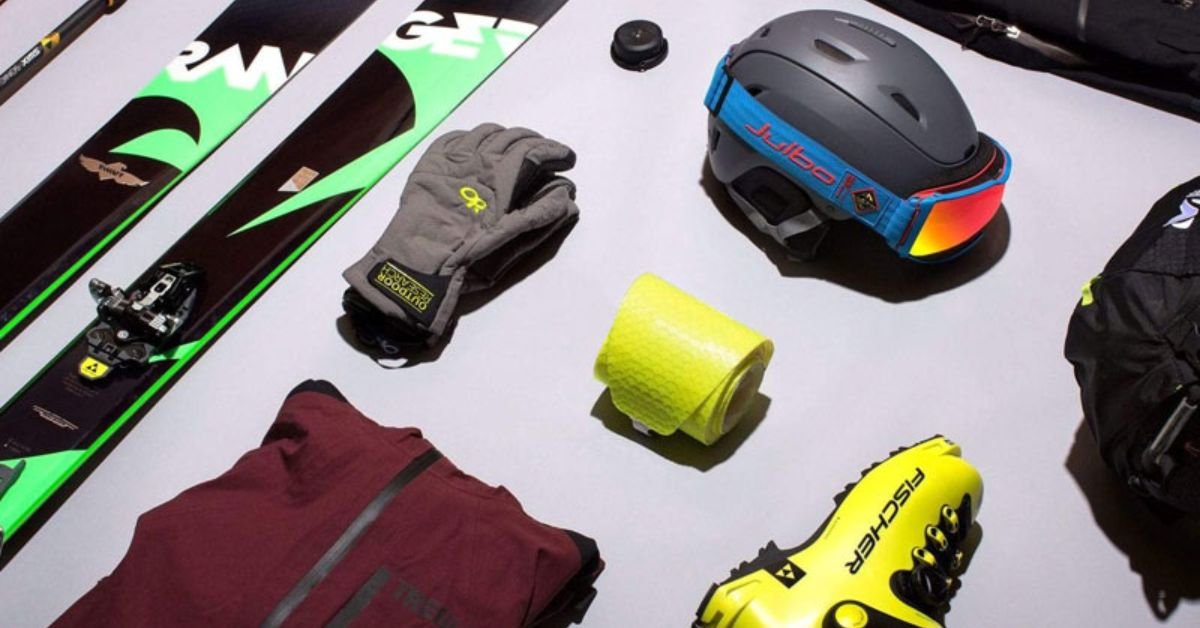
Ski gear maintenance means cleaning, drying, and checking your equipment after every trip. It helps your skis, boots, and clothing stay in good condition for a longer time. Good care also improves safety and comfort on the snow. Simple maintenance steps can save you money and prevent damage.
Many people spend a lot on ski gear but forget to take care of it properly. Wet boots, rusty edges, and dirty goggles can ruin your skiing experience. Small problems can quickly become expensive repairs. That is why regular maintenance is very important for every skier.
In this guide, you will learn easy ways to maintain your ski gear at home. We will cover cleaning tips, storage ideas, and simple checks for your equipment. These expert tips will help keep your gear ready for your next ski adventure.
Regular Ski and Snowboard Tuning
Regular tuning keeps your skis and snowboard smooth and safe on the snow. Over time, the base can get scratches and the edges can become dull. This makes turning and stopping more difficult. A simple tune-up helps improve control and performance during every ride.
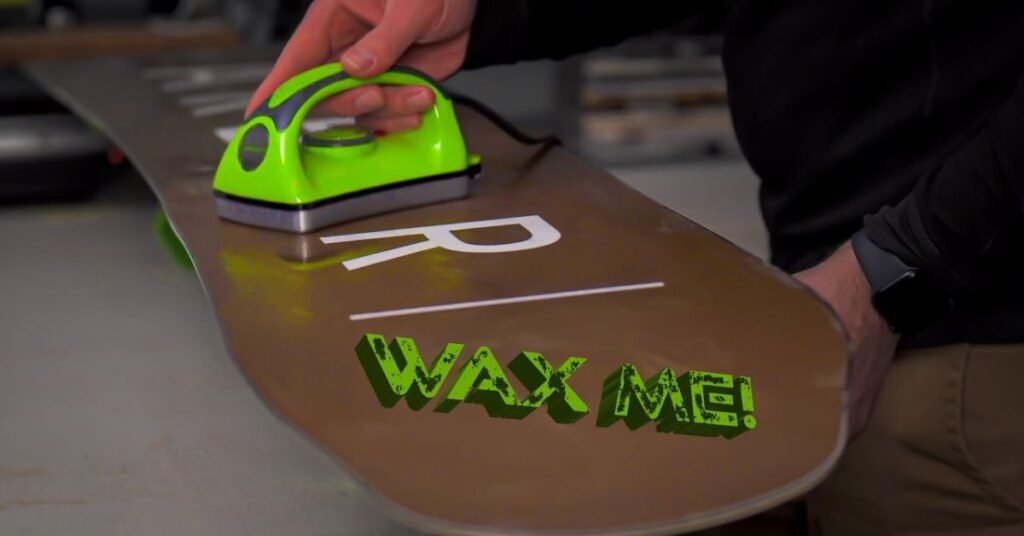
Waxing is an important part of ski and snowboard tuning. Fresh wax helps the equipment glide better on snow. It also protects the base from drying out and cracking. Many skiers wax their gear every few trips to keep it in good shape.
Edge sharpening is also very important for safety. Sharp edges help you stay balanced on icy or hard snow. You should also check for loose bindings or visible damage before each season. Regular maintenance can make your gear last longer and give you a better skiing experience.
Why Tuning is Important
Regular tuning helps skis and snowboards perform better on the snow. Smooth bases and sharp edges make turning easier and safer. It also helps riders move faster with less effort. Well-tuned gear gives more control in different snow conditions.
Tuning also helps protect your equipment from damage. Dirt, rust, and deep scratches can shorten the life of your gear. Small maintenance steps can prevent expensive repairs later. Clean and tuned equipment stays strong and ready for every ski trip.
Steps for Tuning
Edge Sharpening: Sharp edges help skis and snowboards grip better on icy snow. Use an edge tool or file to remove rough spots and dull areas. Always sharpen carefully and keep the edges even on both sides. Clean away metal dust after finishing the process.
Base Repair and Waxing: Check the base for scratches or small holes before waxing. Repair deep scratches with a base repair material if needed. After that, apply warm wax evenly across the base surface. Waxing helps the gear slide smoothly and protects it from damage.
Binding Check: Bindings should always stay tight and secure for safe skiing. Check for loose screws or damaged parts before every trip. Make sure the bindings open and close properly without problems. A quick binding check can help prevent accidents on the snow.
Boot Maintenance and Care
Ski and snowboard boots need regular care to stay comfortable and strong. After every trip, remove the liners and let the boots dry completely. This helps prevent bad smells, moisture buildup, and damage inside the boots. Clean dirt and snow from the outside before storing them.
Always check the buckles, straps, and soles for damage or cracks. Tight parts can become loose after heavy use on the slopes. Store boots in a cool and dry place away from direct heat. Proper boot care can improve comfort and make your gear last longer.
Ensuring a Perfect Fit
A proper boot fit is very important for comfort and safety on the snow. Boots that are too loose can make skiing difficult and uncomfortable. Tight boots can cause pain and reduce movement. Your feet should feel secure without too much pressure.
Always try ski or snowboard boots with the socks you normally wear. Walk around and bend your knees to check the comfort level. Your heel should stay in place while your toes lightly touch the front. Small fit adjustments can make a big difference during long ski sessions.
You should also check the straps and buckles regularly for the best fit. Loose buckles can affect balance and control while skiing. If the boots feel uncomfortable, consider using custom insoles or liners. A well-fitted boot helps you enjoy skiing with better support and confidence.
Storage Tips
Proper storage helps protect your ski gear during the off-season. Always clean and dry your equipment before storing it away. Moisture can cause rust, bad smells, and damage over time. Keep your gear in a cool and dry place away from direct sunlight.
Here are some simple storage tips:
- Store skis and snowboards in an upright position
- Keep boots loosely buckled to maintain their shape
- Avoid storing gear near heaters or damp areas
- Use ski bags to protect equipment from dust and scratches
- Remove dirt and old snow before packing everything away
Good storage habits can help your gear stay safe and ready for the next winter season.
Caring for Your Ski Poles
Ski poles also need regular care to stay strong and safe. After skiing, wipe them clean and remove any snow or dirt. Check the straps and handles for signs of wear or damage.
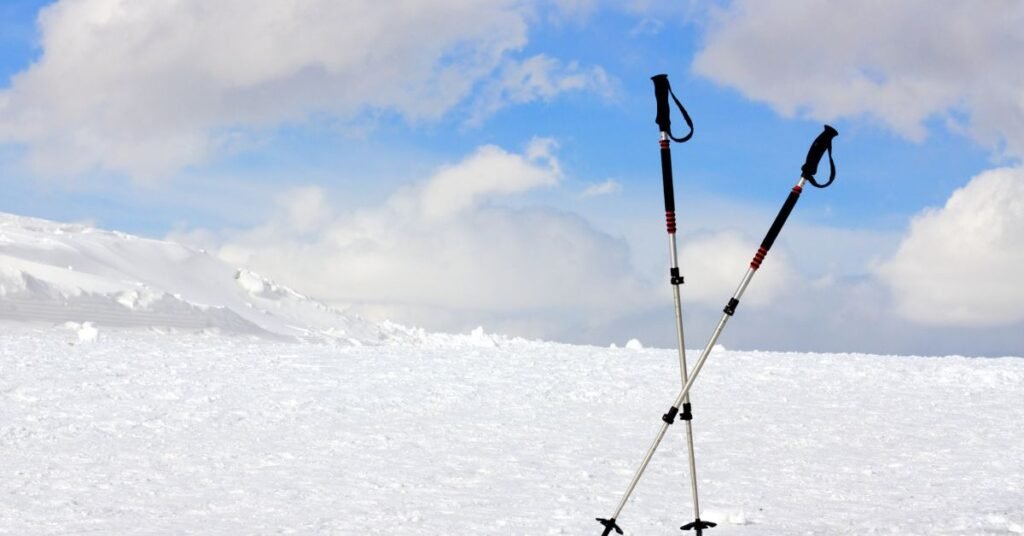
Always inspect the pole tips and baskets before your next trip. Bent or damaged poles can affect balance while skiing. Store ski poles in a dry place to prevent rust and keep them in good condition.
Checking for Damage
Regularly checking your ski gear for damage is very important for safety. Look for cracks, loose parts, or deep scratches on skis and snowboards. Small problems can become bigger if they are ignored for too long.
Inspect boots, bindings, and poles before every ski trip. Make sure all parts work properly and feel secure during use. Quick damage checks can help prevent accidents and keep your gear in better condition.
Helmet and Goggles Maintenance
Helmets and goggles are important for safety and clear vision while skiing. After every trip, wipe them clean to remove snow, dirt, and moisture. Use a soft cloth to avoid scratches on the goggles. Keeping them clean helps improve comfort and visibility on the slopes.
Always check your helmet for cracks or damage before skiing. A damaged helmet may not protect you properly during a fall. Make sure the straps and buckles work correctly and fit securely. Replace the helmet if it has taken a hard impact.
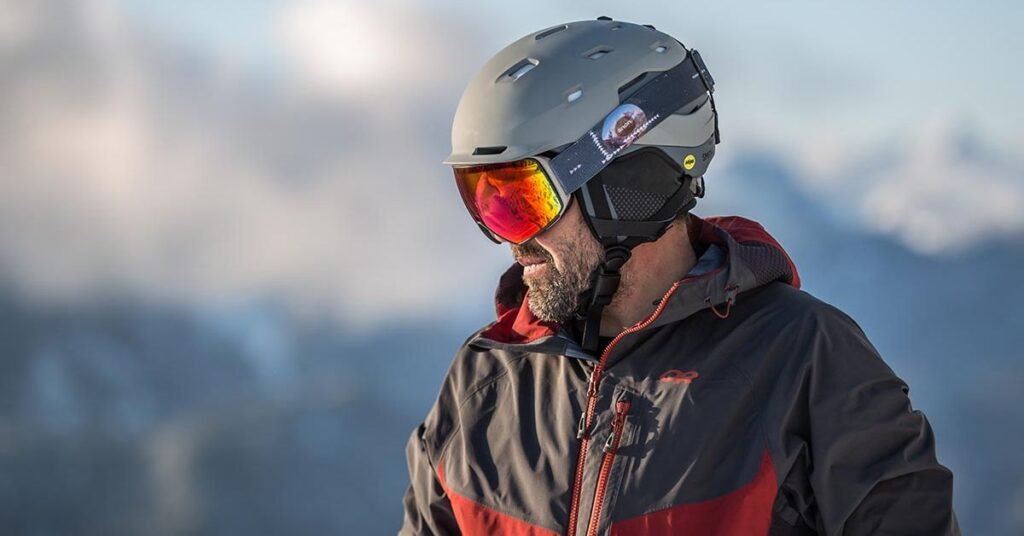
Store goggles in a protective case when not in use. This helps prevent scratches on the lenses and keeps them clean. Keep both helmets and goggles in a cool and dry place away from heat. Proper care can make your safety gear last longer and work better.
Helmet Care
- Clean your helmet after every use
- Wipe off snow, sweat, and dirt
- Use a soft cloth to avoid scratches
- Check for cracks or dents regularly
- Make sure straps and buckles work properly
- Do not store in direct sunlight or heat
- Keep it in a dry and cool place
- Replace helmet after a strong impact
Goggle Care
Clean goggles after every ski trip
Use a soft microfiber cloth only
Do not rub lenses when dirty or wet
Store in a protective case
Keep away from heat and direct sunlight
Avoid touching the inside lens
Dry them fully before storing
Check straps for damage regularly
Storing Your Gear Properly
Proper storage keeps your ski gear safe during the off-season. Always clean and dry all equipment before putting it away. Dirt and moisture can cause damage over time. Dry gear lasts longer and stays in better condition.
Store your skis, boots, and poles in a cool and dry place. Avoid areas with heat, dampness, or direct sunlight. These conditions can weaken materials and cause rust or cracks. Use covers or bags to protect your gear from dust.
Check your gear before storing it for a long time. Make sure everything is clean and working properly. Keep items organized so they are easy to find next season. Good storage habits help your gear stay ready for the next winter.
Off-Season Storage
Off-season storage is very important for ski gear care. After the winter ends, clean all your equipment properly. Remove dirt, moisture, and old wax before storing. Dry everything completely to avoid rust and bad smell.
Store your gear in a cool, dry, and safe place. Avoid heat, sunlight, and damp areas. Keep skis, boots, and poles covered to protect them from dust. Proper off-season storage helps your gear stay in good shape for next winter.
Professional Maintenance Services
Professional maintenance services help keep your ski gear in top condition. Experts can tune skis, repair damage, and check safety parts. They use special tools that give better results than home care. This is useful before the ski season starts.
These services save time and improve safety on the slopes. They can fix deep base damage, sharpen edges, and adjust bindings correctly. Many ski shops also offer full service packages for better care.
| Service Type | What It Includes | Why It Is Important |
| Ski Tuning | Edge sharpening, waxing | Improves control and speed |
| Base Repair | Fix scratches and holes | Extends ski life |
| Binding Check | Safety testing and adjustment | Prevents accidents |
| Boot Fitting | Adjusts comfort and fit | Improves performance and comfort |
Conclusion
Taking care of ski gear is very important for safety and performance. Regular cleaning, tuning, and storage keep your equipment in good shape. It also helps you enjoy a smooth and safe skiing experience every time.
Simple maintenance steps can make a big difference. Check your gear often and fix small problems early. Good care saves money and makes your ski equipment last longer.
FAQs
1. How often should I maintain ski gear?
You should maintain your ski gear after every trip and do full tuning before each season.
2. Why is waxing important for skis?
Waxing helps skis glide smoothly on snow and protects the base from damage.
3. How do I store ski boots properly?
Keep them clean, dry, and slightly buckled in a cool and dry place.
4. When should I replace my ski helmet?
Replace it after a strong impact or if you see cracks or damage.
5. Do I need professional ski maintenance?
Yes, it helps with deep repairs, safe binding checks, and better overall performance.
No Responses