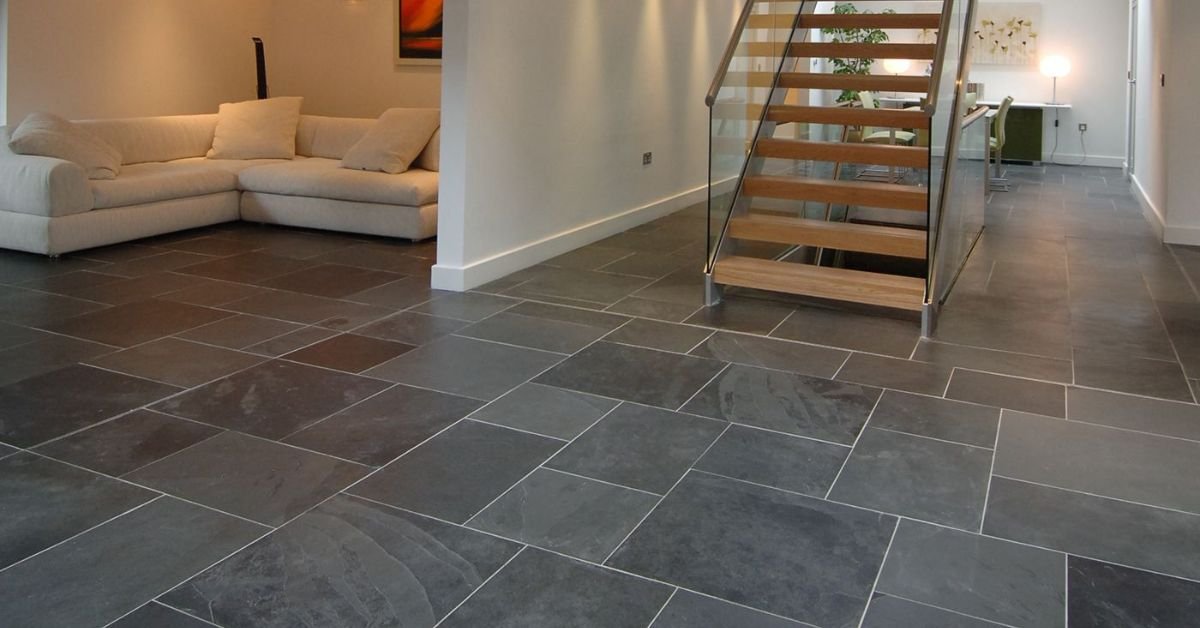
Slate tiles are a popular flooring and wall material made from natural stone. They are known for their unique texture, rich colors, and long-lasting strength. Many homeowners choose slate tiles because they add a natural and elegant look to both indoor and outdoor spaces.
Dirty slate tiles can make a beautiful room look dull and unattractive. Dust, mud, spills, and stains can build up over time and affect their appearance. The good news is that cleaning slate tiles is simple when you use the right methods and products.
Knowing how to clean slate tiles properly helps protect their natural beauty and extends their lifespan. Regular cleaning can prevent damage and keep the surface looking fresh. This guide will walk you through easy steps to clean and maintain your slate tiles with confidence.
Benefits
Regular cleaning helps slate tiles keep their natural beauty. Dirt and dust can make the surface look dull over time. Clean tiles look brighter and more attractive in any space.
Proper cleaning can also increase the life of your slate tiles. Removing dirt and stains prevents surface damage and wear. This helps the tiles stay strong and durable for many years.
Clean slate tiles create a healthier environment in your home. Dust, allergens, and bacteria are less likely to build up on a well-maintained surface. Regular care also makes future cleaning easier and faster.
Supplies
Before you start cleaning, gather all the supplies you need. A soft broom or vacuum can help remove loose dirt and dust. This makes the cleaning process easier and more effective.
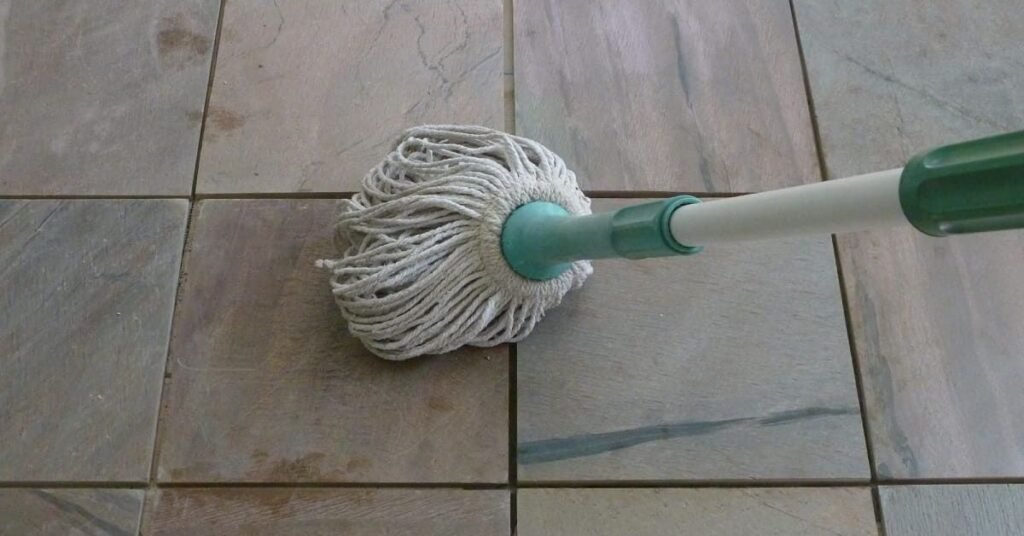
You will also need a bucket, warm water, and a pH-neutral stone cleaner. These products are safe for slate tiles and help protect the natural surface. A microfiber mop or soft cloth is useful for gentle cleaning.
For tougher spots, keep a soft brush nearby. Avoid using harsh chemicals, bleach, or abrasive scrubbers. These can damage the slate and reduce its natural beauty over time.
Preparation
Good preparation makes cleaning slate tiles easier and safer. Start by removing furniture, rugs, and other items from the area. Sweep or vacuum the floor to remove loose dirt, dust, and small debris before using any water or cleaner.
Before cleaning, take a few minutes to check the condition of the tiles. Look for cracks, loose tiles, or damaged grout. It is also helpful to gather all your cleaning supplies in one place.
- Remove furniture and rugs.
- Sweep or vacuum the surface.
- Check for cracks or damage.
- Prepare your bucket and cleaner.
- Test the cleaner on a small hidden area first.
How to Clean Slate Tiles
Start by sweeping or vacuuming the slate tiles to remove dirt and dust. This step prevents small particles from scratching the surface during cleaning. Make sure the floor is free from loose debris before moving to the next step.
Fill a bucket with warm water and add a pH-neutral stone cleaner. Dip a microfiber mop into the solution and wring out excess water. Mop the tiles gently and work in small sections to ensure even cleaning.
After cleaning, rinse the tiles with clean water to remove any cleaner residue. Use a dry microfiber cloth or mop to dry the surface. Allow the tiles to air dry completely before placing furniture or rugs back in the area.
Deep Cleaning
Slate tiles may need deep cleaning when regular mopping is not enough. Dirt, grease, and grime can build up over time and become harder to remove. Deep cleaning helps restore the natural look of the tiles.
Use a pH-neutral stone cleaner designed for deep cleaning natural stone. Apply the cleaner according to the product instructions. Gently scrub the surface with a soft brush, paying extra attention to stained or heavily used areas.
After scrubbing, rinse the tiles thoroughly with clean water. Make sure no cleaner is left behind on the surface. Dry the tiles with a clean cloth and allow them to air dry completely for the best results.
Stains
Stains can appear on slate tiles from food, drinks, oil, or muddy shoes. It is best to clean spills as soon as possible to prevent them from soaking into the stone. Quick action can make stain removal much easier.
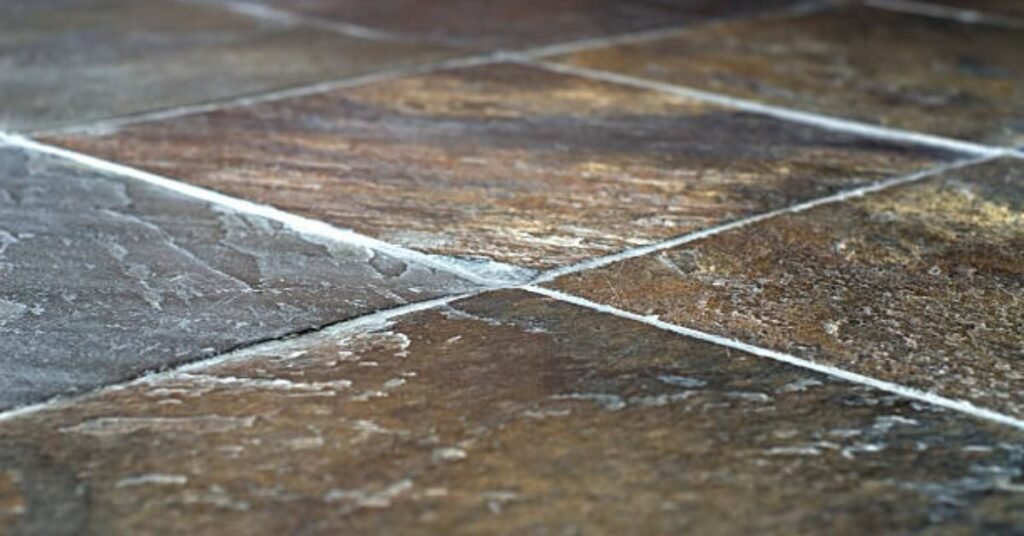
For stubborn stains, use a cleaner that is safe for natural stone surfaces. Apply the cleaner to the stained area and gently scrub with a soft brush. Avoid harsh chemicals, as they can damage the slate and affect its natural color.
Comparison Table
Different cleaning methods can be used on slate tiles. Some methods are safe for regular cleaning, while others are better for deep cleaning. Choosing the right method helps protect the natural stone and keeps it looking its best.
The table below compares common slate tile cleaning methods. It shows their purpose, benefits, and things to keep in mind before use.
| Cleaning Method | Best For | Benefits | Drawbacks |
| Sweeping | Daily dust and dirt | Quick and easy | Does not remove stains |
| Vacuuming | Loose debris | Reaches corners well | Must use a hard-floor setting |
| Warm Water | Light cleaning | Safe and inexpensive | Limited stain removal |
| pH-Neutral Cleaner | Regular cleaning | Safe for natural stone | Requires purchase |
| Microfiber Mop | Routine maintenance | Gentle on slate | Needs regular washing |
| Soft Brush | Stubborn dirt | Removes grime effectively | Requires extra effort |
| Deep Cleaning Solution | Heavy buildup | Restores appearance | Takes more time |
| Steam Cleaning* | Some sealed tiles | Chemical-free cleaning | Not suitable for all slate tiles |
| Harsh Chemicals | Tough stains | Strong cleaning power | Can damage slate surfaces |
| Bleach-Based Cleaners | Disinfection | Kills germs quickly | May discolor or weaken stone |
Always check the manufacturer’s recommendations before using a steam cleaner on slate tiles.
Maintenance
Regular maintenance helps slate tiles stay clean and attractive. Sweep or vacuum the surface often to remove dust and dirt. This simple habit can prevent scratches and keep the tiles looking fresh.
Clean spills as soon as they happen. Liquids can leave stains if they sit on the surface for too long. Using a soft cloth and a stone-safe cleaner can help protect the tiles from damage.
It is also a good idea to seal slate tiles when needed. A quality sealer helps protect the stone from moisture and stains. Check the condition of the tiles regularly and reseal them according to the manufacturer’s recommendations.
Mistakes
One common mistake is using harsh chemicals on slate tiles. Products that contain bleach, ammonia, or acids can damage the stone. It is always better to use a pH-neutral cleaner made for natural stone surfaces.
Another mistake is using rough brushes or abrasive scrubbers. These tools can scratch the surface and reduce the natural beauty of the tiles. Soft brushes and microfiber mops are much safer choices.
Many people also forget to clean spills quickly or skip regular maintenance. Stains can become harder to remove when left untreated. Keeping up with routine cleaning helps prevent long-term damage and keeps slate tiles looking their best.
Conclusion
Cleaning slate tiles does not have to be difficult. With the right tools and simple cleaning methods, you can keep them looking clean and beautiful. Regular care helps protect the natural stone and prevents dirt from building up.
A little maintenance can make a big difference over time. Clean spills quickly, avoid harsh chemicals, and use stone-safe products whenever possible. By following these simple tips, your slate tiles can stay attractive and last for many years
FAQs
1. How often should I clean slate tiles?
You should sweep or vacuum slate tiles weekly and mop them as needed. Regular cleaning helps prevent dirt buildup.
2. Can I use vinegar to clean slate tiles?
No, vinegar is acidic and can damage natural stone. Use a pH-neutral cleaner instead.
3. What is the best cleaner for slate tiles?
A pH-neutral stone cleaner is the best choice. It cleans effectively without harming the surface.
4. How do I remove stains from slate tiles?
Clean spills quickly and use a stone-safe cleaner for stubborn stains. Gently scrub with a soft brush if needed.
5. Do slate tiles need sealing?
Yes, most slate tiles benefit from sealing. A sealer helps protect the stone from moisture, stains, and daily wear.
No Responses