

A music composer creates original music for songs, films, games, TV shows, and many other projects. They combine melody, harmony, and rhythm to express ideas and emotions. If you are wondering how to become a music composer with no experience, the good news is that anyone can start learning with time and practice.
You do not need a music degree or years of training to begin. Many successful composers started by learning on their own and improving one step at a time. With the right mindset and daily practice, you can also turn your passion for music into a rewarding career.
This guide explains how to become a music composer with no experience in simple steps. You will learn the basic skills, useful tools, and practical tips to help you build confidence and create your first original music.
Overview
A music composer creates original music for different projects. This includes songs, movies, TV shows, games, and advertisements. Their work helps bring stories and emotions to life.
You do not need years of experience to become a composer. Many people start by learning the basics and practicing every day. Small steps can lead to big progress.
A successful composer needs creativity, patience, and a love for music. Learning new skills over time will improve your confidence. Consistent practice is the key to growth.
Today, many free tools and online lessons make learning easier. Therefore, anyone can begin from home with simple equipment. With dedication, you can build a strong career in music composition.
Passion
A love for music is the first step to becoming a composer. It keeps you motivated even when learning feels difficult. Strong passion helps you stay focused.
Listen to different music styles every day. Notice the melodies, rhythms, and emotions in each song. This will grow your musical understanding.
Keep exploring new artists and genres. As a result, you will discover fresh ideas and develop your own creative style. Every song can teach you something new.
Most importantly, enjoy the learning process. Passion gives you the energy to practice regularly and improve over time. It also helps you stay committed to your goals.
Mindset
A positive mindset helps you learn faster. Do not fear mistakes because they are part of the process. Every mistake teaches a valuable lesson.
Set small and realistic goals at the beginning. Then, celebrate each achievement as you improve. This keeps you motivated to continue learning.
Be patient with your progress. Music composition takes time and regular practice. Therefore, do not compare yourself with others.
Stay open to feedback from teachers, friends, or other musicians. Use their advice to improve your skills. A growth mindset will help you become a better composer.
Music Basics
Start with the basic parts of music. Learn notes, scales, rhythm, and simple chords. These are the building blocks of every composition.
Practice counting beats and clapping rhythms. Then play easy chord progressions on a piano or keyboard. This helps you understand how music fits together.
Learn to read simple music notation. It becomes easier to write down your ideas and follow other composers’ music. Even basic reading skills are very useful.
Do not try to learn everything at once. Focus on one concept at a time and practice it daily. Small lessons become strong skills over time.
Instruments
Learning an instrument can improve your composing skills. A piano or keyboard is a great choice because it helps you understand notes and chords. However, any instrument can be useful.
Practice your instrument a little every day. Then, try playing simple melodies and chord progressions. This builds confidence and musical knowledge.

Explore different sounds and techniques. As a result, you will discover new ideas for your own music. Experimenting also makes learning more enjoyable.
You do not need to master an instrument right away. Focus on steady improvement instead. Over time, your playing and composing skills will grow together.
Listening
Listen to music every day with full attention. Focus on the melody, rhythm, and instruments. This helps you understand how songs are created.
Explore different music genres and styles. Then, compare how each composer uses sound and emotion. You will learn something new from every piece.
Pay attention to the structure of a song. Notice the intro, verse, chorus, and ending. This will help you organize your own compositions.
Keep a notebook for ideas while listening. Write down melodies, feelings, or techniques you like. Later, you can use these ideas to inspire your own music.
Creativity
Creativity is the heart of music composition. Let your ideas flow without worrying about being perfect. Every new idea can become a great song.
Try creating simple melodies and rhythms every day. Then, change the notes or tempo to hear different results. Small experiments often lead to unique music.
Find inspiration in nature, books, movies, or daily life. As a result, you will have more ideas to turn into original compositions. Keep your mind open to new experiences.
Do not be afraid to try something different. Your unique style will grow with practice and confidence. Over time, your creativity will become stronger.
Practice
Practice music composition every day, even for a short time. Regular practice helps you improve faster. It also builds good habits.
Start with simple melodies and short pieces. Then, slowly create longer and more detailed compositions. Each project will teach you something new.
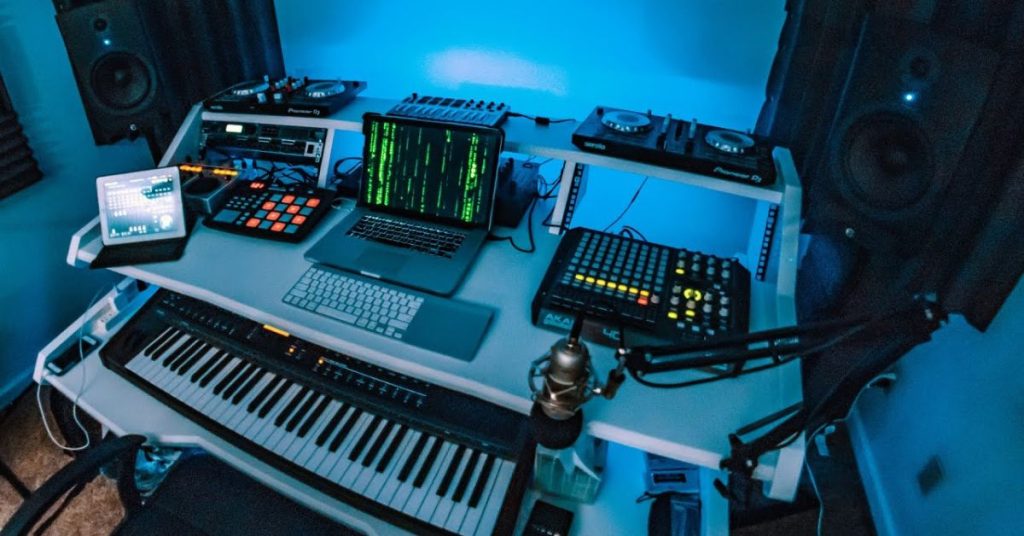
Review your old work from time to time. Look for ways to improve the melody, rhythm, or harmony. This helps you see your progress.
Stay consistent and do not give up. Some days will be easier than others. However, daily practice will make you a better music composer over time.
Software
Music software helps you write, edit, and record your ideas. Many beginners use simple and free programs to get started. Choose one that is easy to learn.
Learn the basic tools before using advanced features. Then, create short melodies and simple beats for practice. This builds your confidence over time.
Try different sounds, instruments, and effects in the software. As a result, you will discover new ways to improve your music. Experimenting also keeps the process fun.
Save your work regularly and keep your projects organized. This makes it easy to return and improve your compositions later. Good organization also saves time.
Portfolio
Create a portfolio to show your best music. Include your strongest and most original compositions. A good portfolio leaves a positive impression.
Start with a few high-quality pieces instead of many average ones. Then, update your portfolio as your skills improve. Quality is always more important than quantity.
Share your portfolio on music platforms or your own website. This helps more people hear your work. It can also bring new opportunities.
Keep your portfolio neat and easy to explore. Remove older work that no longer shows your best skills. A strong portfolio can help you grow your music career.
Networking
Meet other musicians and music composers whenever possible. They can share useful advice and new ideas. Good connections help you learn faster.
Join music groups, online communities, or local events. Then, take part in discussions and share your work. This helps people know your talent.
Be friendly and support other creators. As a result, they may support your work in return. Strong relationships can lead to new projects.
Stay in touch with the people you meet. Send updates about your latest music and achievements. A strong network can open new career opportunities.
Opportunities
Look for opportunities to share your music. You can work on short films, games, podcasts, or online videos. Every project adds valuable experience.
Apply for music contests and creative programs. Then, use each opportunity to improve your skills. These events can also increase your confidence.
Offer your music to independent creators and small businesses. As a result, you can build your reputation and gain more work. Every completed project strengthens your portfolio.
Keep learning while searching for new opportunities. Stay active and continue creating original music. With patience and effort, more career chances will come your way.
How to Become a Music Composer
Start by learning the basics of music and practicing every day. Focus on creating simple melodies and improving your skills. Small steps lead to steady progress.
Learn to play an instrument and use music software. Then, write original pieces and keep improving them. Practice will make your music stronger over time.
Build a portfolio with your best compositions. Share your work online and ask for helpful feedback. This will help you grow as a composer.
Keep learning, stay creative, and never stop practicing. Every new project teaches you something valuable. With patience and dedication, you can become a successful music composer.
Comparison Table
Every learning method has its own benefits. Some help you build music skills, while others improve your creativity and experience. Choosing the right mix will help you grow faster.
Every learning method has its own benefits. Some help you build music skills, while others improve your creativity and experience. Choosing the right mix will help you grow faster.
The table below compares common ways to learn music composition. It shows what each method offers and who it is best for.
| Learning Method | Main Benefit | Best For |
| Self-Learning | Flexible and low cost | Beginners |
| Online Courses | Step-by-step lessons | Structured learning |
| Private Teacher | Personal guidance | Faster improvement |
| Music School | Complete music education | Long-term career goals |
| Daily Practice | Builds real experience | All skill levels |
Conclusion
Becoming a music composer takes time, practice, and patience. Keep learning new skills, create original music, and never stop improving. Every small step brings you closer to your goal.
Stay passionate and enjoy the creative process. Build your portfolio, connect with other musicians, and look for new opportunities. With dedication and regular practice, you can build a successful career as a music composer.
FAQs
1. Can I become a music composer without a music degree?
Yes. Many successful music composers are self-taught and improve through regular practice and online learning.
2. What instrument is best for beginner composers?
A piano or keyboard is a great choice because it helps you understand notes, chords, and melodies easily.
3. How long does it take to become a music composer?
The time depends on your practice and dedication. With consistent effort, you can build strong skills over time.
4. What software do music composers use?
Many composers use DAWs like GarageBand, FL Studio, Logic Pro, Ableton Live, or Cubase to create music.
5. How can I build a music composition portfolio?
Create original music, choose your best work, and share it on your website or music platforms.
6. Can I earn money as a music composer?
Yes. You can earn by composing music for films, games, videos, advertisements, podcasts, and freelance projects.
7. What is the most important skill for a music composer?
Creativity, regular practice, and a good understanding of music basics are the most important skills for long-term success.