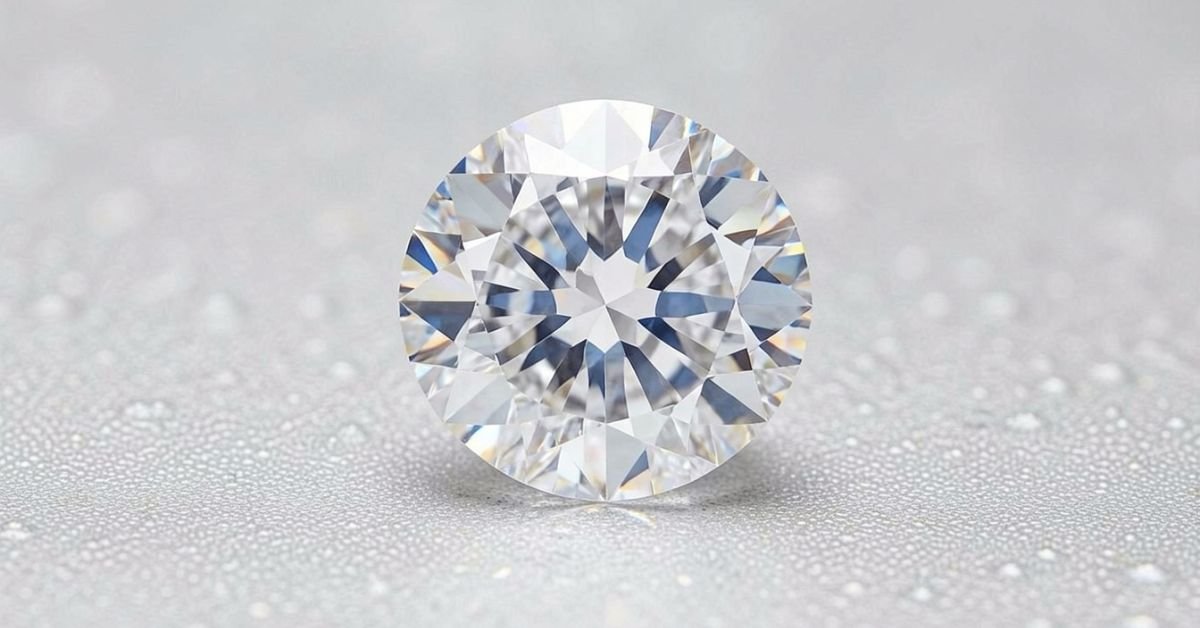
A real diamond is a natural or lab-grown gemstone with unique qualities. It is very hard and shines in a special way. Many fake stones look similar, so it can be difficult to tell the difference. Learning a few simple checks can help you identify a real diamond with more confidence.
If you have found an old ring, received a piece of jewelry as a gift, or plan to buy a diamond, you may wonder if it is genuine. The good news is that you do not always need a professional appraisal to do some basic tests. There are several easy methods that you can try safely at home.
In this guide, you will learn how to tell if a diamond is real without a professional appraisal. We will cover simple testing methods, signs of a fake diamond, common mistakes to avoid, and when it is best to seek expert help.
How to Tell a Real Diamond by Eye
You can often learn a lot about a diamond just by looking at it closely. A careful visual check may reveal signs that help you tell whether the stone is real or fake. While this method is not always perfect, it is a good place to start.
There are several visual features that can help you examine a diamond. Looking at its sparkle, clarity, shape, and setting can provide useful clues. These simple checks do not require special tools and can be done at home.
The following subheadings explain the most important things to look for. Each method is easy to understand and can help you inspect your diamond with greater confidence before considering professional testing.
Diamond Rings
Diamond rings are one of the most popular types of diamond jewelry. They are often used for engagements, weddings, and special gifts. Because they can be valuable, it is important to know if the diamond is real.
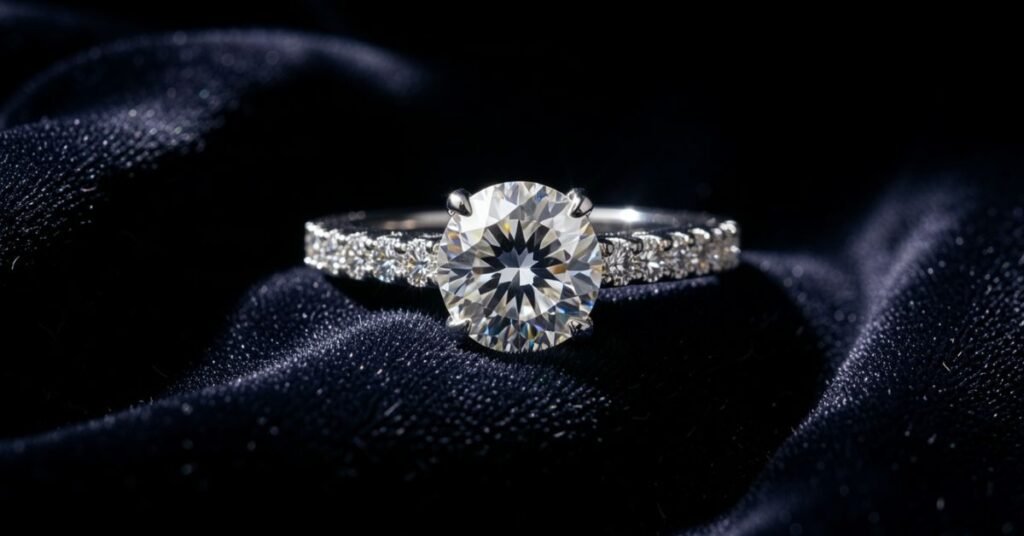
A real diamond ring is usually made with quality materials such as gold or platinum. The setting should feel strong and well-made. You may also find small markings inside the band that show the type of metal used.
If you are checking a diamond ring, do not focus only on the stone. Look at the overall craftsmanship and how the diamond is set. A well-made ring with a securely placed stone is more likely to contain a genuine diamond, though further testing may still be needed.
Diamond Earrings
Diamond earrings are worn every day by many people. They can be small studs or larger hanging designs. Since fake stones are common, it is helpful to know how to check if the diamonds are real.
Start by looking at the sparkle and the setting of the earrings. Real diamonds usually have a bright, natural shine. They are often set in quality metals such as gold, platinum, or sterling silver with secure prongs.
Check both earrings carefully because they should match in size, shape, and appearance. If one stone looks different from the other, it may need a closer inspection. When you are unsure, simple home tests or a professional evaluation can confirm whether the diamonds are genuine.
Diamond Bracelets
Diamond earrings are a popular choice for both everyday wear and special occasions. They add beauty and elegance to any outfit. If you own a pair, it is useful to know whether the diamonds are real.
Start by looking closely at the stones. Real diamonds have a bright sparkle that does not look too colorful. Also, check the metal setting. Genuine diamond earrings are often made with quality metals that hold the stones securely.
Compare both earrings side by side. The diamonds should look similar in size, color, and shine. If something seems unusual, do a few simple home tests or ask a jeweler for a professional inspection to confirm they are real.
Diamond Necklaces
Diamond necklaces are elegant pieces of jewelry that are worn for both daily use and special events. They may have a single diamond or several small stones. Because they can be expensive, it is important to know if the diamonds are genuine.
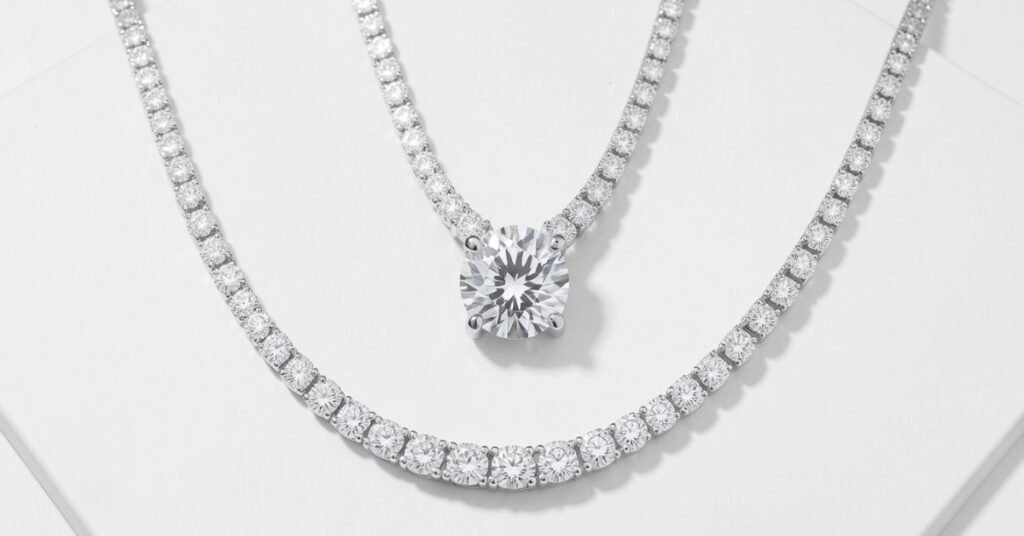
Look closely at the diamonds and the necklace setting. Real diamonds have a bright, natural sparkle and are usually set in high-quality metals like gold or platinum. The chain and clasp should also feel strong and well crafted.
Check the necklace for quality marks or stamps on the clasp or pendant. These marks can tell you what metal was used. If you are still unsure about the diamonds, use safe home testing methods or visit a trusted jeweler for a professional opinion.
How to Tell if a Diamond is Real: Best At-Home Tests
You do not always need special equipment to check if a diamond is real. Several simple tests can be done at home using common household items. These methods are easy to try and can give you a better idea about your diamond.
At-home tests are helpful for a quick inspection, but no single test is completely accurate. It is best to use more than one method before reaching a conclusion. This helps reduce the chance of making a wrong decision.
The following subheadings explain the most reliable at-home tests in detail. Each test is simple to follow and can help you learn more about your diamond before deciding if professional testing is needed.
Flashlight Test
The flashlight test is a quick way to examine a diamond at home. It helps you observe how the stone reflects light. While it cannot prove that a diamond is real, it can provide useful clues.
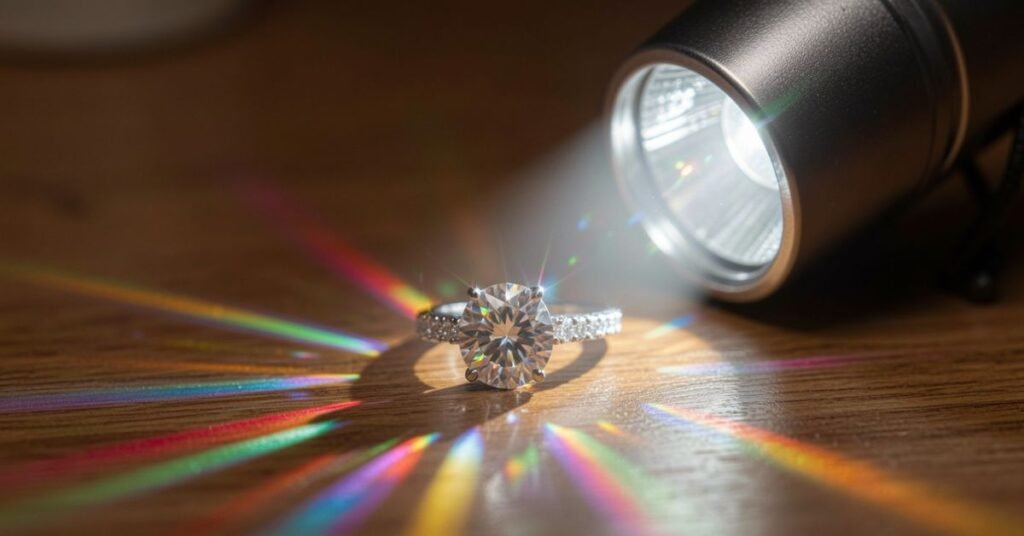
Place the diamond under a bright flashlight in a dark or dim room. Turn the stone slowly and watch how it shines. A real diamond usually reflects bright white light with small flashes of rainbow colors instead of looking overly colorful.
Do this test together with other at-home methods for better results. Light conditions and the quality of the stone can affect what you see. If you are still unsure, have the diamond checked by a trusted jeweler.
Mirror Test
The mirror test is a simple way to check a diamond at home. Hold the diamond close to a clean mirror under good lighting. A real diamond usually reflects light in a sharp and bright way, while some fake stones may appear dull or show a less clear reflection.
Keep in mind that the mirror test is not fully reliable on its own. Dirt, scratches, and lighting can affect the results. Use this test along with other at-home methods to get a better idea of whether your diamond is real.
Water Test
The water test is one of the easiest ways to check a loose diamond at home. Fill a clear glass with water and gently drop the stone into it. A real diamond is very dense and usually sinks quickly to the bottom.
If the stone floats or stays near the surface, it may be fake. However, some fake stones can also sink, so this test is not always accurate. Use the water test together with other simple checks for a better idea of whether your diamond is real.
Black Light (UV Light) Test
The black light, or UV light, test is another way to examine a diamond at home. Place the diamond under a UV light in a dark room and watch for any glow. Many real diamonds show a blue fluorescence, although some may not glow at all.
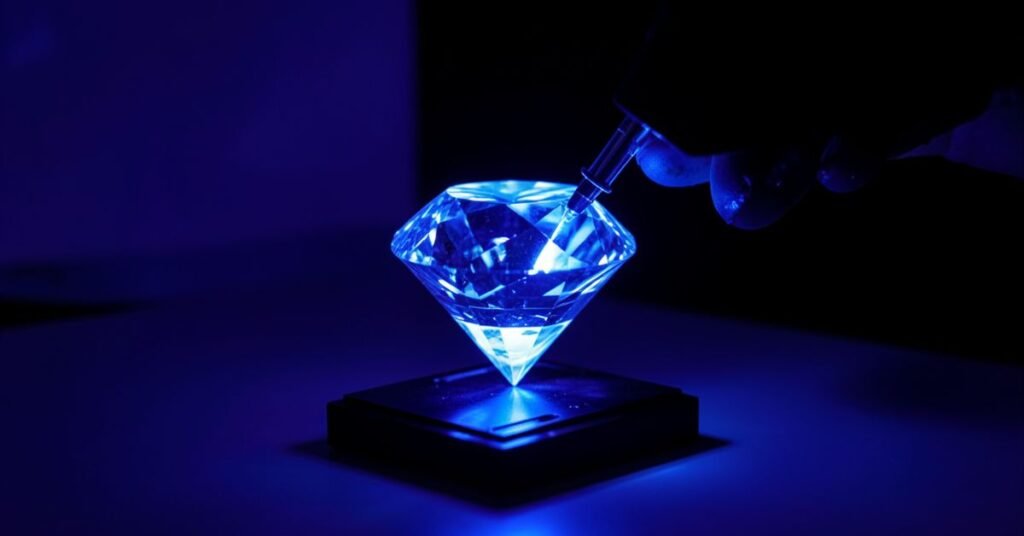
Do not rely only on this test to decide if a diamond is real. Both real and fake stones can react differently under UV light. Use this method along with other at-home tests to get more reliable results.
Sunlight Test
The sunlight test is a simple way to observe how a diamond reflects natural light. Take the diamond outside on a bright day. Hold it where the sunlight shines directly on the stone.
A real diamond usually gives off bright white light with small flashes of rainbow colors. The sparkle should look sharp and lively, not overly colorful. A fake stone may appear too dull or produce too many rainbow flashes.
Remember that sunlight alone cannot confirm if a diamond is real. The quality and cut of the stone can also affect its appearance. For the best results, combine this test with other at-home methods before making a final decision.
Setting Test
The setting test looks at the metal that holds the diamond. Real diamonds are usually set in high-quality metals such as gold, platinum, or sterling silver. Check the inside of the ring, necklace, or earrings for stamps that show the type of metal.
A strong and well-made setting can be a good sign, but it does not guarantee that the diamond is real. Some fake diamonds are also placed in expensive jewelry. Use the setting test together with other at-home methods for a more accurate result.
Fog Test
The fog test is one of the quickest ways to check a diamond at home. Hold the diamond close to your mouth and breathe on it as if you were fogging a mirror. This creates a thin layer of moisture on the surface.
A real diamond spreads heat very quickly, so the fog should disappear almost at once. If the fog stays for a few seconds, the stone may not be a real diamond. Try the test more than once to see if the results stay the same.
Keep in mind that the fog test is not 100% accurate. Dirt, oil, and room temperature can affect the outcome. Use this test with other at-home methods to get a more reliable idea of whether your diamond is real.
Dot Test
The dot test is a simple method that works best with a loose diamond. Draw a small black dot on a piece of white paper. Place the flat side of the diamond over the dot and look through the pointed side.

A real diamond bends light in a unique way, so you usually cannot see the dot clearly. If the dot is easy to see through the stone, it may be a fake diamond. Make sure the diamond is clean before doing this test.
The dot test is only a basic check and should not be used by itself. The cut and shape of the stone can affect the result. For better accuracy, combine this test with other at-home methods.
How to Tell if a Diamond is Real: Best Professional Tests
Professional diamond testing gives the most accurate results. Experts use special tools and advanced equipment to examine the stone. These tests can confirm whether a diamond is real, lab-grown, or a diamond simulant.
Home tests are useful for a quick check, but they are not always reliable. A professional evaluation removes much of the guesswork. It is the best option if your diamond is valuable or if you plan to buy or sell it.
The following subheadings explain the most common professional tests used by jewelers and gem experts. Each method provides detailed information about the diamond and helps verify its authenticity with greater confidence.
Magnifying Glass (Loupe) Test
The magnifying glass, also called a jeweler’s loupe, is a common tool for checking diamonds. It allows you to see small details that are not visible to the naked eye. Many jewelers use this method as part of a professional inspection.
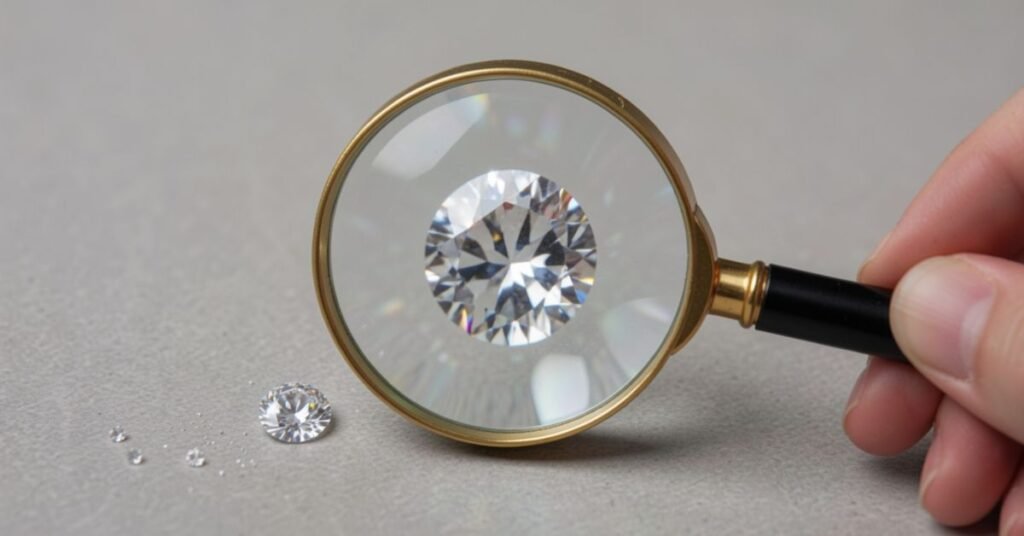
A real diamond often has tiny natural imperfections called inclusions. These marks can usually be seen through a loupe. You can also inspect the edges, surface, and overall quality of the stone for signs of damage or imitation.
The loupe test works best when used by someone with experience. A clean diamond and proper lighting are also important for accurate results. For complete confirmation, combine this test with other professional methods.
Weight Test
The weight test compares the weight of a diamond with that of a similar-looking stone. Real diamonds have a unique density and usually weigh less than fake stones of the same size, such as cubic zirconia. Jewelers use precise scales to measure this difference.
The weight test is more reliable when done by a professional with the right equipment. It cannot confirm a real diamond on its own, but it can provide an important clue. For the most accurate result, combine this test with other professional diamond tests.
Diamond Tester
A diamond tester is a small electronic device used to check if a diamond is real. It measures how the stone conducts heat or electricity. Many jewelers use this tool because it provides quick and reliable results.
To use the tester, the tip of the device is placed gently on the surface of the stone. If the diamond is genuine, the tester will give a positive reading. Some advanced testers can also help tell the difference between natural diamonds, lab-grown diamonds, and other stones.
A diamond tester is more accurate than most home tests, but it is not perfect. The stone should be clean, and the device must be used correctly. For complete confidence, combine the tester with other professional methods or a full jewelry inspection.
Conclusion
Knowing how to tell if a diamond is real can help you make smarter decisions. Simple at-home tests can give you useful clues, while professional methods provide the most accurate results. Using more than one testing method is always the best approach.
If you are still unsure about your diamond, visit a trusted jeweler for a professional inspection. This is especially important for valuable or sentimental jewelry. With the right knowledge and careful testing, you can feel more confident about your diamond’s authenticity.
FAQs
1. Can I tell if a diamond is real without a jeweler?
Yes. You can try simple home tests like the fog test, water test, or dot test. However, a professional test is the most reliable option.
2. What is the easiest way to check if a diamond is real?
The fog test is one of the easiest methods. A real diamond clears the fog very quickly because it disperses heat fast.
3. Can fake diamonds pass some home tests?
Yes. Some fake stones can pass one or two tests. That is why it is best to use several testing methods instead of relying on just one.
4. Are lab-grown diamonds considered real?
Yes. Lab-grown diamonds have the same physical and chemical properties as natural diamonds. They are considered real diamonds.
5. When should I get a professional diamond test?
You should get a professional test if the diamond is valuable, you plan to sell or insure it, or you want a confirmed result.
No Responses