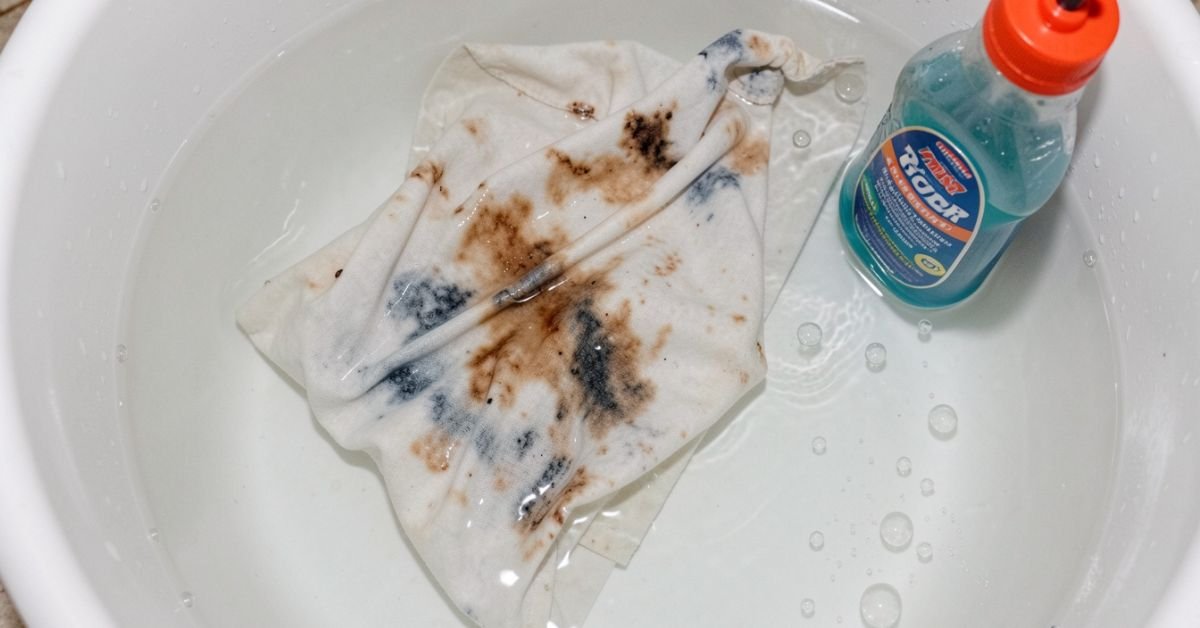
Food stains are a common problem in every home. They can happen while eating, cooking, or serving meals. The good news is that most food stains can be removed with the right cleaning method. Acting quickly often gives the best results.
Have you ever spilled coffee on your shirt or dropped ketchup on your favorite jeans? It can feel frustrating, especially when you think the stain will never come out. Luckily, there are easy ways to remove food stains without spending a lot of money or using harsh chemicals.
In this guide, you will learn simple and effective methods to remove different types of food stains. We will also share helpful tips, common mistakes to avoid, and easy home remedies. By the end, you will know how to keep your clothes and fabrics looking clean and fresh.
1. Stains
Food stains happen when food or drinks spill on clothes, carpets, or other fabrics. Some stains are easy to remove, while others become harder if they dry. The type of food also affects how difficult the stain is to clean.
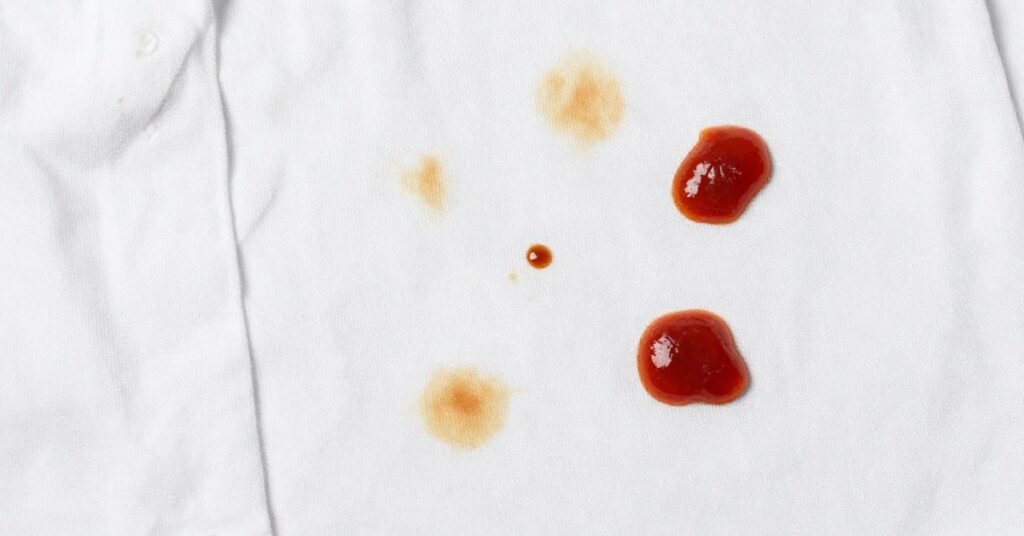
Common food stains include coffee, tea, ketchup, chocolate, curry, juice, and grease. Each stain needs the right cleaning method. Using the wrong product can make the stain worse or damage the fabric.
The best way to deal with food stains is to act quickly. Fresh stains are much easier to remove than old ones. Knowing what caused the stain helps you choose the right cleaning method and get better results.
2. Supplies
Before you start cleaning, gather all the supplies you need. Having everything ready makes the job easier and faster. You do not need expensive products for most food stains.
Keep a clean cloth, paper towels, a soft brush, and a small bowl nearby. Mild dish soap, liquid laundry detergent, white vinegar, baking soda, and cold water are also useful. These simple items can remove many common food stains.
Always test any cleaning product on a small hidden area first. This helps make sure it will not damage the fabric or change its color. Reading the care label on your clothing is also a good idea before you begin cleaning.
3. How to Remove Food Stains
Step 1: Remove the Extra Food
Use a spoon or a dull knife to lift off any leftover food. Do not rub the stain because it can spread deeper into the fabric. Blot liquid stains gently with a clean cloth or paper towel.
Step 2: Rinse with Cold Water
Hold the stained area under cold running water. Let the water flow through the back of the fabric if possible. This helps push the stain out instead of deeper into the material.
Step 3: Apply a Cleaning Solution
Add a small amount of liquid laundry detergent or mild dish soap to the stain. Gently rub it in with your fingers or a soft brush. Leave it for 10 to 15 minutes before rinsing with clean water.
Step 4: Wash the Item
Wash the clothing according to the care label. Use the correct water temperature for the fabric. After washing, check that the stain is gone before putting the item in the dryer.
Step 5: Repeat if Needed
Some stains need more than one treatment. If the stain is still visible, repeat the cleaning steps before drying. Air-dry the fabric until you are sure the stain has completely disappeared.
4. Fresh Stains
Fresh food stains are the easiest to remove. The faster you clean them, the better the results. Do not let the stain dry because it can become harder to clean.
Start by blotting the stain with a clean cloth or paper towel. Do not rub the fabric, as this can spread the stain. Rinse the area with cold water to wash away as much of the food as possible.
After rinsing, apply a small amount of liquid detergent or mild dish soap. Let it sit for a few minutes, then wash the item as usual. Check the stain before drying, and repeat the cleaning process if needed.
5. Set Stains
Set food stains are stains that have dried into the fabric. They are harder to remove than fresh stains. However, with the right method, many old stains can still be cleaned.
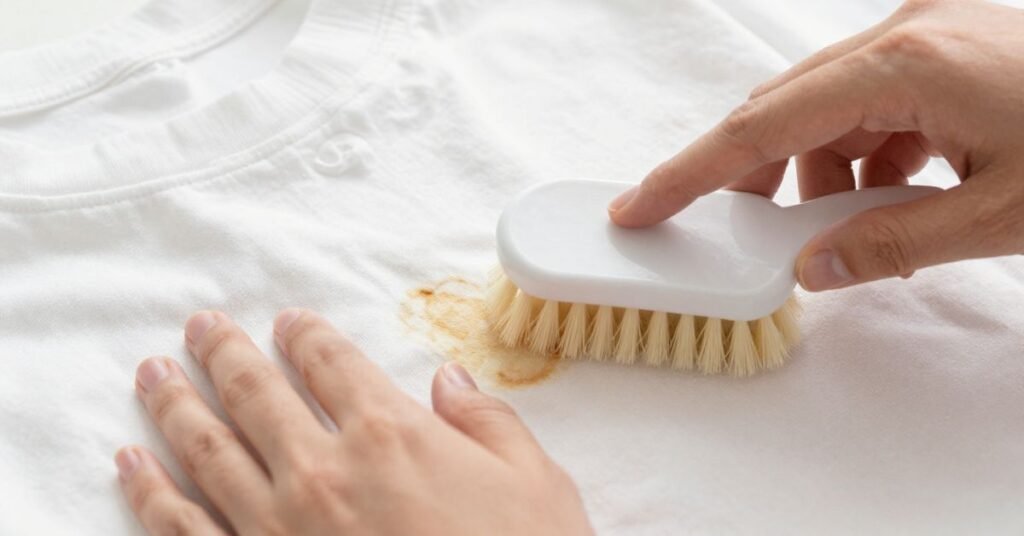
Start by soaking the stained item in cold water for 30 minutes. Then apply liquid laundry detergent or a stain remover directly to the stain. Gently rub the fabric with a soft brush and let the cleaner sit for 15 to 20 minutes.
Wash the item according to the care label and check the stain before drying. If the stain is still there, repeat the cleaning process. Avoid using a dryer until the stain is completely gone, as heat can make it permanent.
6. Fabric Care
Different fabrics need different cleaning methods. Cotton and polyester are usually easy to wash with regular detergent. Delicate fabrics like silk and wool need gentle care to prevent damage.
Always read the care label before treating a stain. Use cold water on delicate fabrics unless the label says otherwise. Test any cleaning product on a small hidden area before applying it to the stain.
Avoid using strong bleach on colored or delicate clothing. Let the fabric air dry if you are not sure the stain is fully removed. Taking proper care of each fabric helps keep your clothes clean and in good condition for longer.
7. Comparison Table
Different food stains need different cleaning methods. Some stains come out with simple soap and water, while others need extra treatment. The table below makes it easy to choose the right cleaning method.
Always treat stains as soon as possible for the best results. Check the fabric care label before using any cleaning product. Repeat the cleaning process if the stain does not come out the first time.
| Food Stain | Best Cleaner | Water Temperature | Soak Time | Scrub Needed | Drying Tip |
| Coffee | Liquid laundry detergent | Cold | 10–15 minutes | Light | Air dry first |
| Tea | White vinegar + detergent | Cold | 15 minutes | Light | Check stain before drying |
| Ketchup | Dish soap | Cold | 10 minutes | Gentle | Air dry if stain remains |
| Chocolate | Dish soap + detergent | Cold | 15 minutes | Gentle | Wash before drying |
| Grease | Dish soap | Warm | 15–20 minutes | Yes | Avoid high heat until clean |
| Curry | Laundry detergent | Cold | 20 minutes | Gentle | Dry in shade after washing |
| Tomato Sauce | Liquid detergent | Cold | 15 minutes | Light | Repeat if needed |
| Fruit Juice | White vinegar | Cold | 10 minutes | No | Air dry first |
| Ice Cream | Dish soap | Cold | 10 minutes | Gentle | Check before machine drying |
| Salad Dressing | Dish soap | Warm | 20 minutes | Yes | Do not use dryer until stain is gone |
| Berry Stains | Laundry detergent | Cold | 15 minutes | Gentle | Rinse well before drying |
| Wine | Cold water + detergent | Cold | 20 minutes | Light | Air dry and inspect |
| Mustard | Liquid detergent | Cold | 15 minutes | Gentle | Repeat treatment if needed |
| Gravy | Dish soap | Warm | 20 minutes | Yes | Wash before using dryer |
| Jam or Jelly | Laundry detergent | Cold | 10–15 minutes | Light | Air dry until stain disappears |
8. Mistakes
One common mistake is rubbing the stain too hard. This can push the food deeper into the fabric and make the stain spread. Instead, blot the stain gently with a clean cloth or paper towel.
Another mistake is using hot water on a fresh stain. Hot water can set some stains, especially those from protein-based foods or sauces. It is usually better to rinse with cold water first.
Many people also put stained clothes in the dryer too soon. The heat can make the stain permanent if it is not fully removed. Always check the fabric after washing and air dry it first if you still see any mark.
9. Prevention
Preventing food stains is easier than removing them later. Wipe up spills as soon as they happen and wash stained clothes without delay. Quick action helps stop stains from setting into the fabric.
You can also build simple habits to keep your clothes looking clean for longer. These tips can help reduce the chance of getting tough food stains:
- Wear an apron while cooking or baking.
- Use napkins when eating messy foods.
- Keep stain-removing wipes when traveling.
- Treat small spills as soon as you notice them.
- Follow the washing instructions on clothing labels.
- Store cleaning supplies where they are easy to reach.
- Avoid placing stained clothes in the dryer until they are completely clean.
Conclusion
Food stains are a normal part of everyday life, but they do not have to ruin your clothes. With the right cleaning method and quick action, most stains can be removed easily. Using the correct products and following the fabric care label will help you get the best results.
Remember to treat stains as soon as possible and avoid common mistakes like rubbing too hard or using a dryer too early. A little care can keep your clothes looking fresh and clean for a long time. With these simple tips, removing food stains becomes much easier and less stressful.
FAQs
1. What is the best way to remove food stains from clothes?
The best way is to treat the stain as soon as possible with cold water and a mild detergent before washing.
2. Can old food stains be removed?
Yes, many old food stains can be removed by soaking the fabric and using a stain remover or liquid laundry detergent before washing.
3. Should I use hot or cold water on food stains?
Cold water is usually the safest choice because hot water can set some food stains and make them harder to remove.
4. Can I use baking soda and vinegar to remove food stains?
Yes, baking soda and white vinegar can help remove many common food stains when used correctly on washable fabrics.
5. Why should I avoid using the dryer before the stain is gone?
The heat from the dryer can make a stain permanent. Always check that the stain is completely removed before drying the clothing.
No Responses