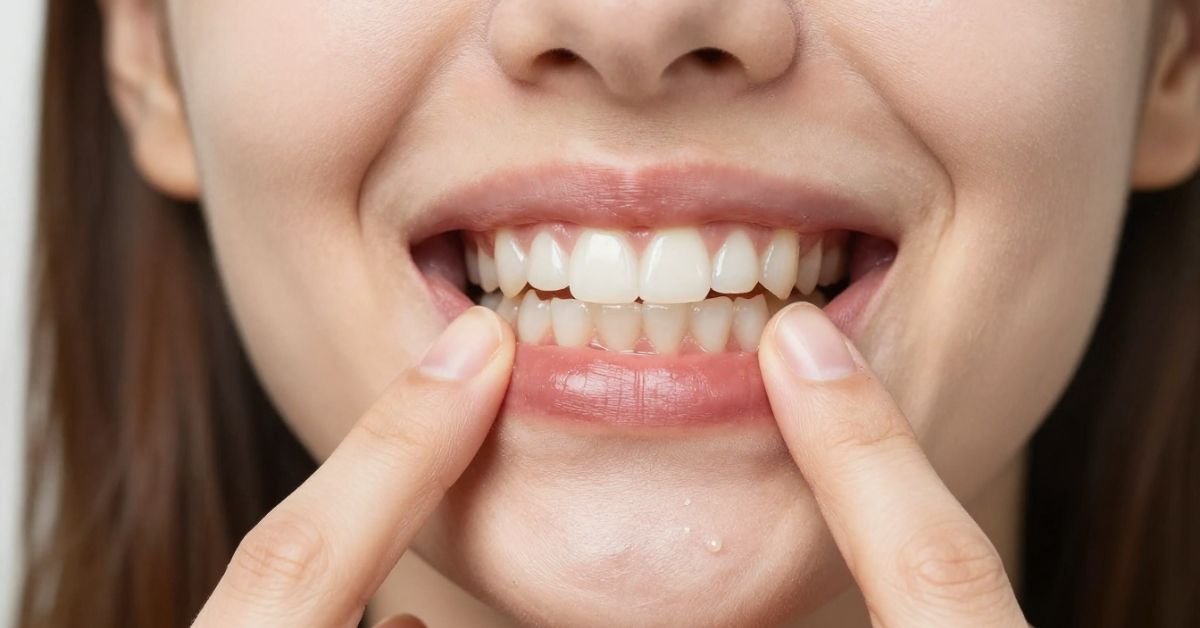
Receding gums happen when the gum tissue pulls back from the teeth. This can make your teeth look longer and feel sensitive. Many people face this problem because of hard brushing, poor oral care, or gum disease. The good news is that there are simple ways to help fix receding gums without pain.
If you notice bleeding gums or tooth sensitivity, do not ignore it. Small gum problems can become worse over time. Many people think painful treatments are the only option, but that is not always true. Gentle care and healthy habits can improve your gum health slowly and safely.
In this guide, you will learn easy tips to care for your gums at home. You will also discover what causes gum recession and when you should visit a dentist. Simple daily changes can make a big difference for your smile and oral health.
Common Reasons Behind Gum Recession
One common reason for gum recession is brushing your teeth too hard. Many people think hard brushing cleans better, but it can slowly damage the gums. Using a hard toothbrush can also wear down the gum tissue over time. Gentle brushing is always safer for your teeth and gums.
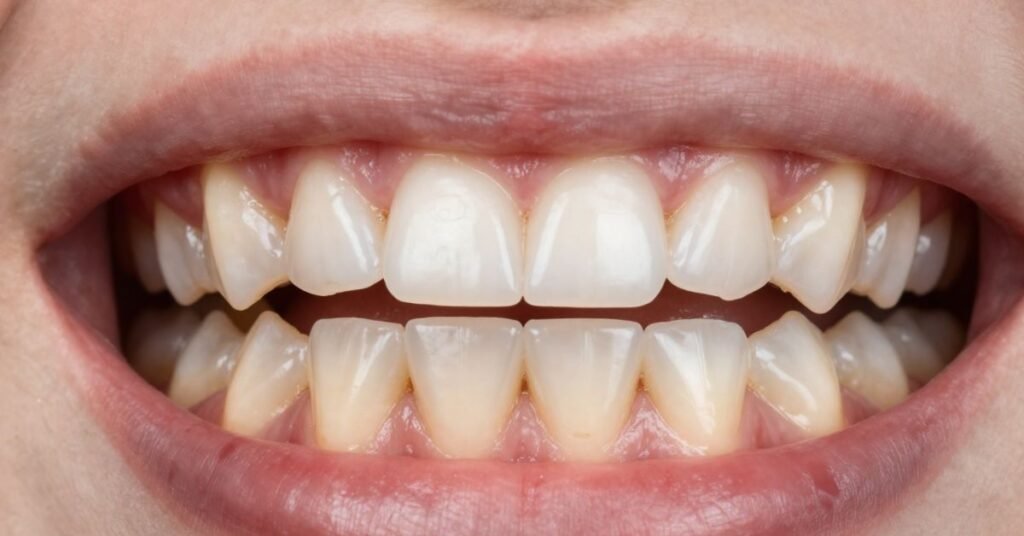
Poor oral hygiene is another major cause of receding gums. When plaque and bacteria build up on the teeth, they can lead to gum disease. Swollen and infected gums may start pulling away from the teeth. Not flossing daily can also make the problem worse.
Some lifestyle habits can also affect gum health. Smoking and tobacco use can weaken the gums and slow healing. Teeth grinding and stress may also put pressure on the gums. In some cases, gum recession can happen because of age or family history.
Early Signs You Should Not Ignore
One of the first signs of gum recession is tooth sensitivity. You may feel pain when eating hot, cold, or sweet foods. This happens because the tooth roots become more exposed. Sensitive teeth should never be ignored for a long time.
Bleeding gums are also a warning sign. If your gums bleed while brushing or flossing, it may mean they are unhealthy. Red, swollen, or tender gums can also show early gum problems. Healthy gums usually do not bleed easily.
Some people notice that their teeth look longer than before. This can happen when the gums slowly pull back from the teeth. Bad breath and a bad taste in the mouth may also appear. Finding these signs early can help prevent serious gum damage later.
How to Fix Receding Gums
Fixing receding gums starts with better oral care habits. Brush your teeth gently with a soft toothbrush two times a day. Floss daily to remove food and plaque between the teeth. Using an antibacterial mouthwash may also help keep your gums clean and healthy.
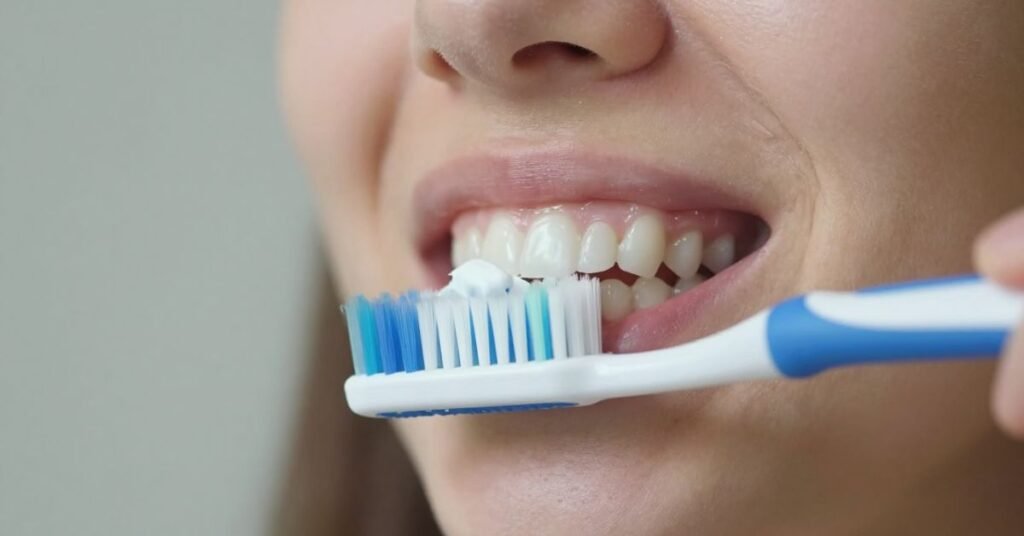
Some cases of gum recession need professional treatment from a dentist. Deep cleaning can remove bacteria and help the gums heal. In serious cases, doctors may suggest gum graft surgery. Eating healthy foods, drinking enough water, and avoiding smoking can also support stronger gums over time.
Daily Habits for Healthier Gums
Healthy gums need simple daily care. Brushing and flossing every day can help remove plaque and bacteria. Try to brush gently because hard brushing may damage your gums. Drinking enough water also helps keep your mouth fresh and clean.
Some small habits can make a big difference for your gum health. Eating healthy foods and avoiding tobacco can help your gums stay strong. Regular dental checkups are also important to catch problems early.
- Use a soft toothbrush
- Brush two times daily
- Floss once every day
- Drink plenty of water
- Avoid smoking and tobacco
- Visit your dentist regularly
Foods That Support Gum Healing
Healthy foods can help your gums heal faster and stay strong. Fruits and vegetables are full of vitamins that support gum health. Foods rich in vitamin C, like oranges and strawberries, may help reduce gum swelling. Crunchy vegetables like carrots and cucumbers can also help clean the teeth naturally.
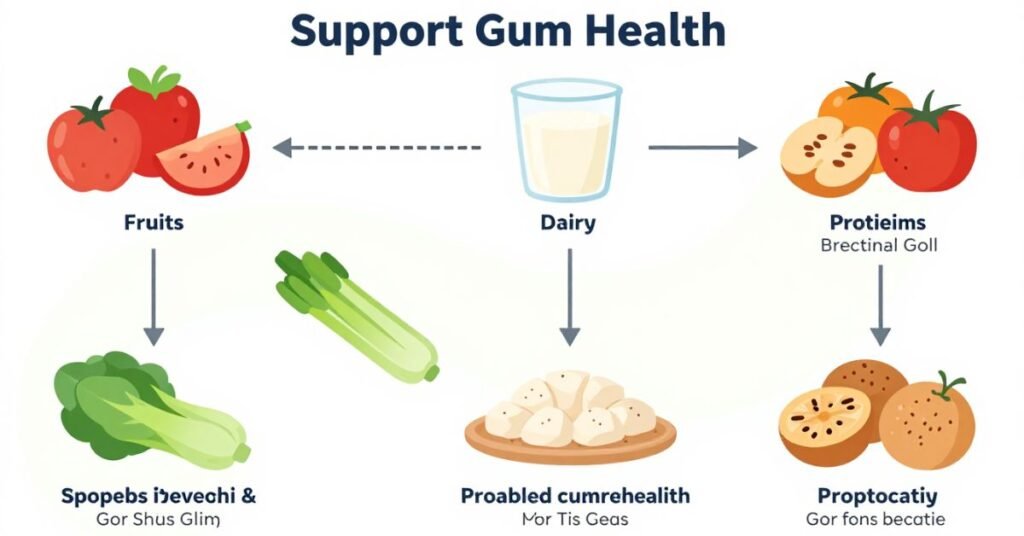
Protein is also important for healthy gums. Eggs, fish, chicken, and nuts can help repair damaged tissue in the mouth. Dairy products like milk and yogurt provide calcium, which helps keep teeth and gums strong. Drinking enough water is also important because it washes away food particles and bacteria.
Try to avoid too much sugar and junk food. Sweet snacks can increase plaque and harm your gums over time. Soft drinks and sticky candies may also damage your teeth. A balanced diet with fresh and natural foods can support better oral health every day.
Best Home Remedies for Gum Care
Some simple home remedies may help keep your gums healthy. Rinsing your mouth with warm salt water can reduce swelling and clean the gums. Aloe vera gel is also known for its soothing effect on irritated gums. These remedies may help when used along with proper brushing and flossing.
Good oral care habits are still the most important part of gum care. Home remedies can support healing, but they should not replace dental treatment for serious problems. If pain or bleeding continues, visiting a dentist is the best choice.
- Rinse with warm salt water
- Use a soft toothbrush
- Try aloe vera gel carefully
- Drink plenty of water
- Avoid smoking and sugary foods
Mistakes That Damage Your Gums
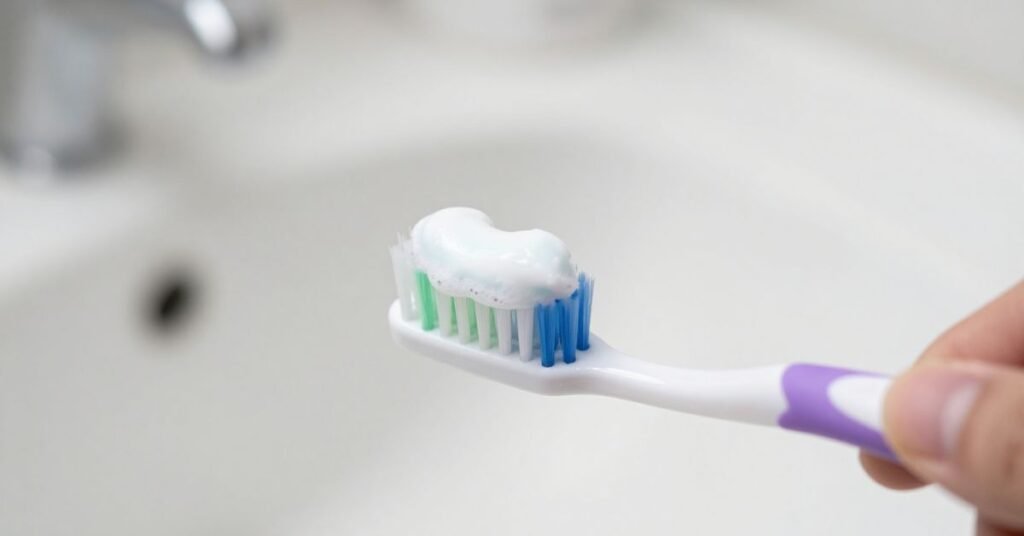
Many people brush their teeth too hard without knowing the damage it can cause. Hard brushing can slowly wear away the gum tissue and make gums recede. Using a hard toothbrush may also irritate the gums. Gentle brushing with soft bristles is much safer for daily care.
Skipping flossing is another common mistake. Food and plaque can stay trapped between the teeth and lead to gum problems. Over time, this may cause swelling, bleeding, and infection. Poor oral hygiene can make gum recession worse if not treated early.
Smoking and eating too much sugary food can also harm your gums. Tobacco reduces blood flow and makes it harder for gums to heal. Sugary snacks increase bacteria inside the mouth. Ignoring regular dental checkups is another mistake that may allow gum problems to grow silently.
Simple Gum Care Tips in Table Form
Taking care of your gums is not hard. Small daily habits can keep your gums strong and healthy. If you follow the right routine, you can avoid many gum problems like bleeding, swelling, and recession. A simple table can help you understand everything easily and follow it step by step.
Here is a complete gum care guide in a table form. It shows what to do, how often to do it, and why it is important. This will help you build a good daily oral care routine.
| Gum Care Tip | How Often | How to Do It | Why It Helps |
| Brush teeth gently | 2 times daily | Use soft toothbrush and light strokes | Prevents gum damage and removes plaque |
| Floss teeth | 1 time daily | Clean between teeth slowly | Removes hidden food and bacteria |
| Use mouthwash | 1 time daily | Rinse for 30–60 seconds | Reduces germs and freshens breath |
| Drink water | Throughout the day | Sip water after meals | Washes away food particles |
| Eat healthy foods | Daily | Include fruits and vegetables | Strengthens gums and teeth |
| Avoid smoking | Always | Quit or reduce tobacco use | Improves blood flow to gums |
| Limit sugar | Daily control | Avoid sweets and soft drinks | Prevents plaque buildup |
| Dental checkup | Every 6 months | Visit dentist regularly | Early detection of gum problems |
When It Is Time to Visit a Dentist
Sometimes gum problems cannot be treated at home. If you notice bleeding gums that do not stop, it is time to see a dentist. Pain while chewing or brushing is also a warning sign. These symptoms should not be ignored.
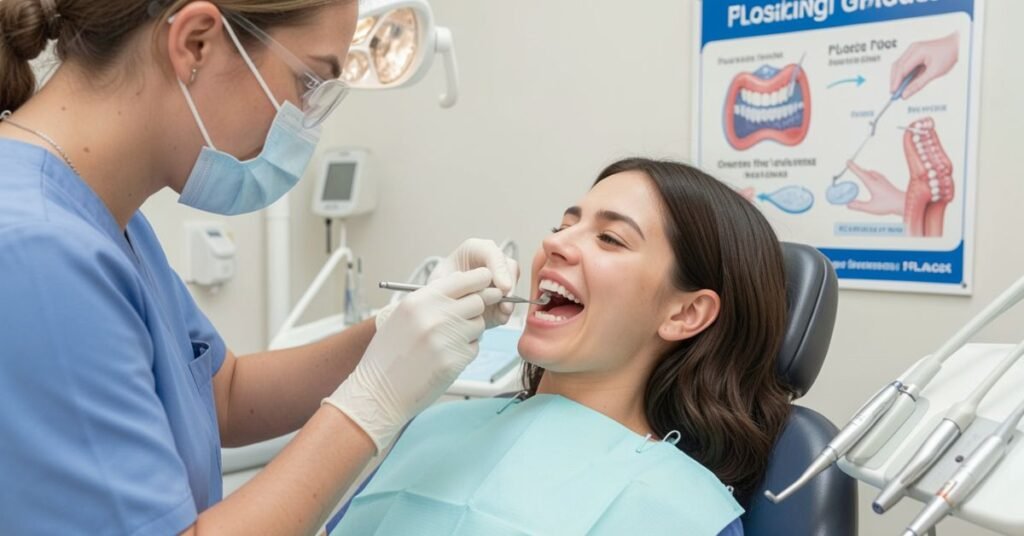
If your teeth start feeling loose, it may mean your gums are weak. Receding gums that keep getting worse also need professional care. A dentist can check the real cause and give proper treatment. Early treatment can stop the problem from becoming serious.
Regular dental checkups are also very important. Even if you feel no pain, a dentist can find hidden gum problems. Visiting every six months helps keep your teeth and gums healthy. It is always better to treat problems early than wait too long.
Conclusion
Taking care of your gums is very important for your overall oral health. Small daily habits like gentle brushing, flossing, and eating healthy food can make a big difference. If you follow a good routine, you can prevent gum problems before they start.
Receding gums can be managed if you notice the signs early. Do not ignore pain, bleeding, or sensitivity. Home care helps, but sometimes you need a dentist for proper treatment. A little care every day can keep your smile healthy and strong for a long time.
FAQs
1. What causes receding gums?
Receding gums are often caused by hard brushing, gum disease, poor oral hygiene, or smoking.
2. Can receding gums grow back?
No, gums do not grow back naturally, but proper care can stop further damage.
3. How can I treat receding gums at home?
You can improve gum health by gentle brushing, flossing, and using saltwater rinses.
4. Is gum recession painful?
It is not always painful, but it can cause tooth sensitivity and discomfort.
5. When should I see a dentist?
Visit a dentist if you notice bleeding, pain, or worsening gum recession.
No Responses