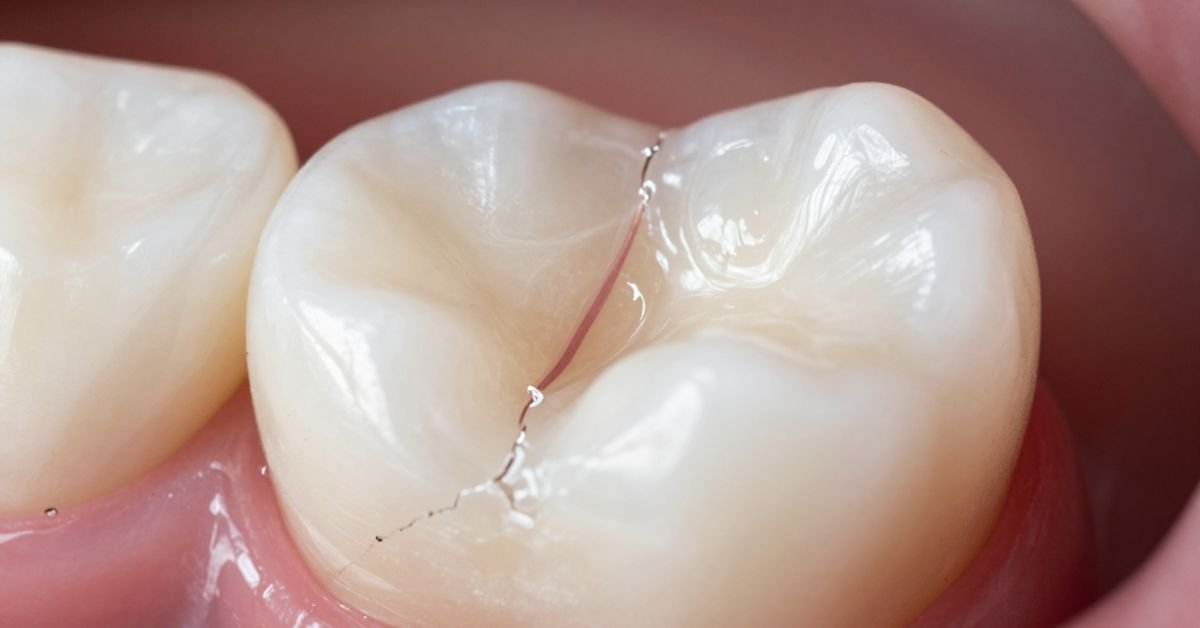
A chipped tooth is when a small piece of your tooth breaks off. It can happen while eating hard food, after a fall, or from an accident. Sometimes it does not hurt, but other times it can cause pain or sensitivity. The damage may be small or easy to notice. Even a tiny chip can feel rough on your tongue.
It can be scary to see your tooth chipped. You may worry about your smile or feel discomfort while eating. The good news is that not every chip needs urgent dental work. There are simple and safe ways to manage it at home for a short time. Knowing what to do quickly can help you stay calm and avoid more damage.
In this guide, you will learn how to fix a chipped tooth using safe home solutions. These tips can help protect your tooth until you visit a dentist. From basic care to easy remedies, you will find simple steps to follow. Always remember, home care is temporary, but it can make a big difference.
Common Causes of a Chipped Tooth
A chipped tooth can happen during daily activities. Biting hard foods like ice, nuts, or hard candy is a common cause. Sometimes, chewing on pens or opening things with your teeth can also damage them. These habits slowly weaken your teeth over time.
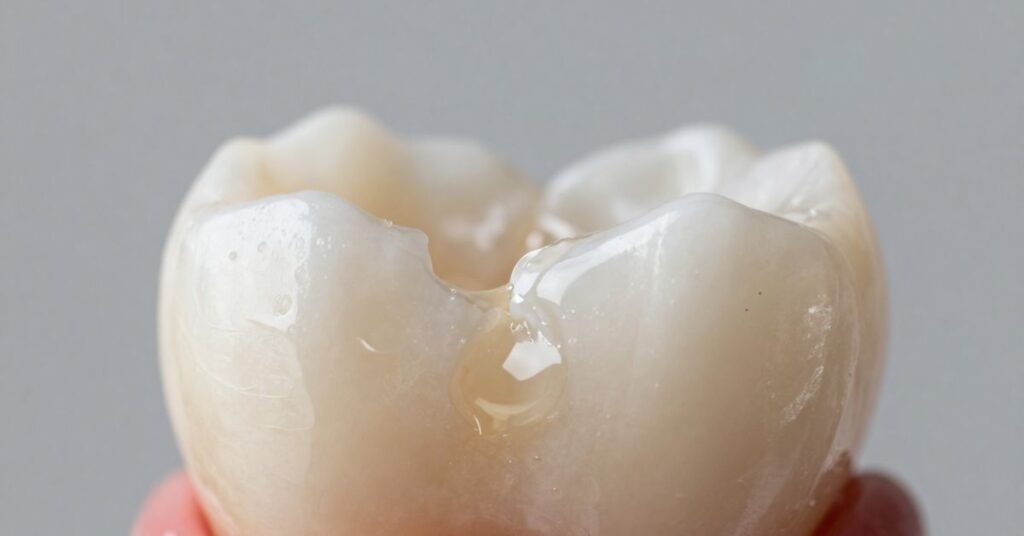
Accidents are another big reason. A fall, sports injury, or sudden hit to the face can easily chip a tooth. Even a small impact can cause damage if the tooth is already weak. Not using a mouthguard during sports can increase the risk.
Tooth problems can also lead to chips. Cavities and weak enamel make teeth more likely to break. Grinding your teeth, especially at night, puts extra pressure on them. Over time, this pressure can cause small cracks or chips.
Signs You Should Not Ignore
A chipped tooth may not always hurt right away. But you might feel a rough or sharp edge with your tongue. This can make eating or talking uncomfortable. Sometimes, small chips are easy to miss but still need attention.
You may also notice sensitivity in your tooth. Hot, cold, or sweet foods can cause sudden pain. This happens when the inner layer of the tooth is exposed. If the discomfort keeps coming back, it is a sign you should not ignore.
In some cases, the tooth may look darker or slightly broken. You might see a visible crack or missing piece. Swelling or pain around the tooth is also a warning sign. These symptoms can mean deeper damage, so it is important to take action.
How to Fix a Chipped Tooth at Home
If you chip a tooth, stay calm and act quickly. Rinse your mouth with warm water to keep it clean. This helps remove dirt and small pieces. If there is bleeding, use a clean cloth or gauze to stop it.
You can protect the chipped area at home for a short time. Use dental wax or sugar-free gum to cover sharp edges. This prevents cuts on your tongue or cheeks. Avoid eating hard or sticky foods to stop further damage.
Here are some simple steps you can follow:
- Rinse your mouth with warm salt water
- Apply a cold compress to reduce swelling
- Use dental wax to cover the sharp edge
- Take a pain reliever if needed
- Eat soft foods and chew on the other side
These steps can help manage the problem until you visit a dentist.
Safe Home Remedies to Try
You can try a few simple remedies at home to feel better. Rinse your mouth with warm salt water to keep it clean. This can reduce bacteria and help with healing. Applying a cold compress on your cheek can lower swelling and pain. Clove oil is also helpful. It can numb the area and give quick relief.
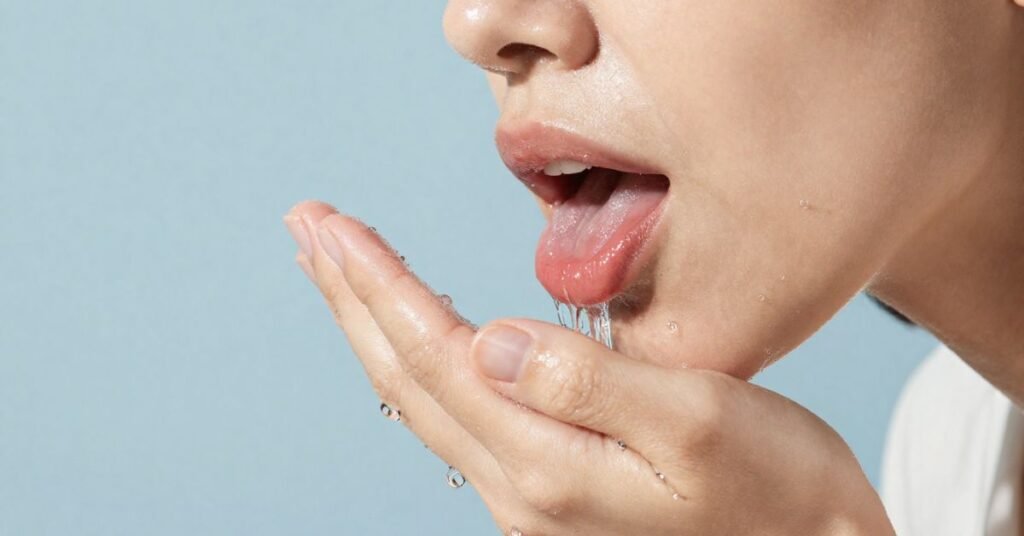
You should also protect your tooth while it heals. Use dental wax or sugar-free gum to cover sharp edges. This will stop cuts inside your mouth. Eat soft foods like yogurt, soup, or mashed potatoes. Avoid hot, cold, or hard foods for some time. These small steps can make you feel more comfortable until you see a dentist.
Things You Should Avoid
After chipping a tooth, avoid habits that can make it worse. Do not chew hard foods like ice, nuts, or hard candy. These can break the tooth further. Try not to bite with the damaged side. Also, avoid very hot or very cold foods, as they can increase sensitivity and pain.
You should also stay away from harmful habits. Do not use your teeth to open bottles or tear packages. Avoid grinding your teeth, especially at night. If you feel sharp edges, do not ignore them or keep touching them. These actions can cause more damage and delay healing.
Quick First Aid Steps
Act fast if you chip a tooth. Rinse your mouth with warm water to clean the area. This helps remove dirt and lowers infection risk. Stop any bleeding with gentle pressure. Keep the tooth protected until you see a dentist.
- Rinse with warm salt water
- Apply a clean gauze to stop bleeding
- Use a cold compress to reduce swelling
- Cover sharp edges with dental wax
- Take a mild pain reliever if needed
When to Visit a Dentist
You should visit a dentist if the chip is large or painful. Pain can mean deeper damage inside the tooth. If you feel a strong sensitivity to hot or cold, do not wait. A dentist can check and treat the problem safely.
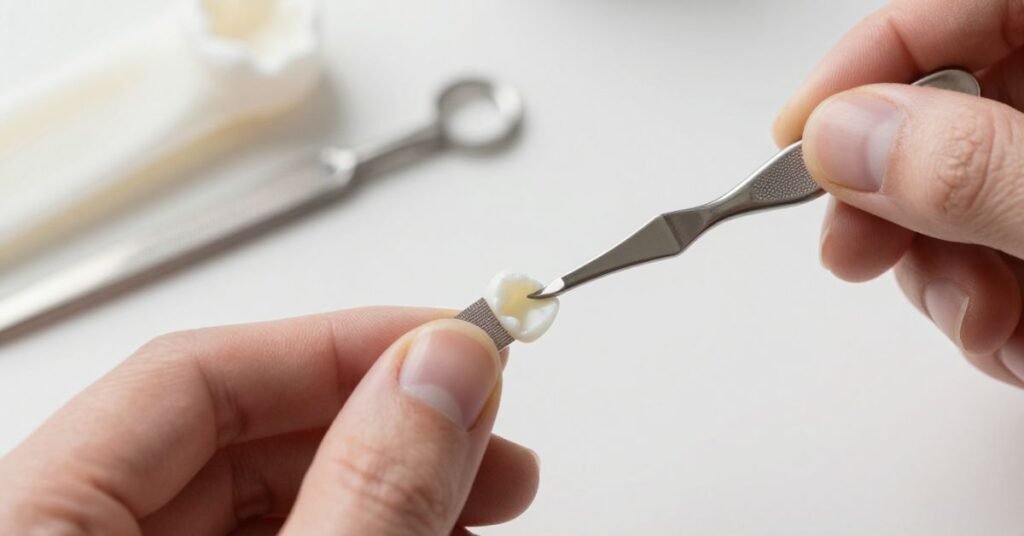
Go to a dentist if there is bleeding that does not stop. Swelling around the tooth or gums is also a warning sign. If a big piece of the tooth breaks off, it needs quick care. Delaying treatment can make the problem worse.
Even small chips should be checked. A dentist can smooth the tooth and prevent future issues. Early care can save your tooth and reduce pain. It also helps keep your smile healthy and strong.
Simple Care Tips for Fast Healing
Take care of your chipped tooth by keeping your mouth clean. Brush your teeth gently two times a day. Use a soft-bristled toothbrush to avoid more damage. Rinse your mouth with warm salt water to reduce germs and help healing. Try not to touch the chipped area with your tongue or fingers.
Eat soft and healthy foods during healing. Choose foods like yogurt, soup, rice, and mashed vegetables. Avoid hard, sticky, or very hot foods. Drink enough water to keep your mouth fresh. These simple habits can help your tooth recover faster and reduce discomfort.
Home Solutions
Here is a simple table to compare different home solutions for a chipped tooth. It will help you understand what each method does and when to use it. These are only temporary solutions until you visit a dentist. They can reduce pain and protect your tooth from further damage.
| Home Solution | Purpose | How It Helps | When to Use It |
| Salt Water Rinse | Clean the mouth | Removes dirt and reduces infection | Right after the chip |
| Cold Compress | Reduce swelling | Lowers pain and inflammation | When there is swelling |
| Dental Wax | Cover sharp edges | Protects tongue and cheeks | If tooth feels sharp |
| Clove Oil | Pain relief | Numbs the affected area | For mild tooth pain |
| Soft Foods | Avoid pressure on tooth | Prevents further damage | During healing period |
This table shows simple ways to manage a chipped tooth at home. Each method gives short-term relief and protection. However, these are not permanent fixes. You should still see a dentist for proper treatment.
Wrap Up
A chipped tooth can happen to anyone at any time. It may look small, but it still needs proper care. Simple home steps can help reduce pain and protect the tooth for a short time. Acting quickly can prevent further damage.
Remember, home remedies are only temporary solutions. They can give comfort, but they do not fix the tooth completely. A dentist visit is always the best option for proper treatment. Taking care early helps you keep a healthy and strong smile.
FAQs
1. Can a chipped tooth heal on its own?
No, a chipped tooth cannot heal naturally. It needs dental treatment to be fully fixed.
2. What should I do immediately after chipping a tooth?
Rinse your mouth with warm water and apply a cold compress to reduce pain and swelling.
3. Is a small chip in tooth serious?
Even a small chip should not be ignored. It can get worse or cause sensitivity later.
4. Can I fix a chipped tooth at home permanently?
No, home remedies only give temporary relief. A dentist is needed for permanent repair.
5. What foods should I avoid with a chipped tooth?
Avoid hard, sticky, and very hot or cold foods to prevent more damage or pain.
No Responses